
Plants
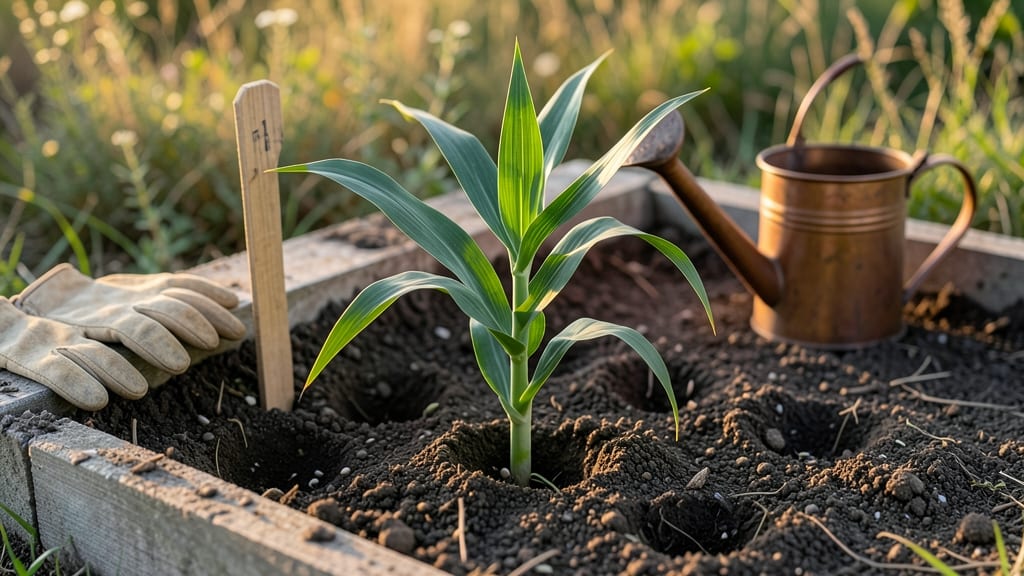
Timing your 🌽 corn planting in Northeast Ohio isn’t just about the calendar—it’s about beating frost, warming soil, and giving your plants the best shot at a bountiful harvest. With last frosts lingering around mid-April and soil temperatures fluctuating wildly, getting it wrong can mean lost seeds or stunted plants.
I’ve spent years watching my own corn fields in Zone 6a struggle when planted too early, only to thrive when seeded after the ground hits 60°F.
The key isn’t just avoiding frost—it’s understanding how Northeast Ohio’s microclimates (like Lake Erie’s cooling effects) shift your planting window from mid-April to early May.
You’ll learn exactly when to start seeds indoors, how to track soil temps like a pro, and why May 15th is your true deadline for outdoor planting. Skip the guesswork and discover the 3-step timing system that guarantees stronger stalks and sweeter ears by harvest season.
Whether you’re a first-time gardener or a veteran grower, these region-specific tips will help you avoid common pitfalls—like planting too shallow or ignoring moisture levels—and set you up for a harvest from late July to September. Let’s get those seeds in the ground the right way.
Ideal soil temperature and frost-free deadlines for Northeast Ohio corn planting
Corn seeds need consistent soil temperatures of at least 50°F to germinate, but they thrive best when the ground reaches 60°F or warmer. In Northeast Ohio’s Zone 6a, this typically happens between mid-April and early May, depending on your exact location.
For example, Cleveland often warms up faster than Youngstown due to Lake Erie’s influence, creating a 1-2 week difference in planting windows across the region.
Ignoring soil temperature is a common mistake—seeds planted in cold soil may rot before sprouting, while waiting too long can delay your harvest. I always use a soil thermometer to confirm temperatures before planting, especially in years with late springs.
This simple tool saves hours of guesswork and ensures your seeds get off to the right start.
Northeast Ohio’s average last frost date falls around April 15th, but this can vary by 5-10 days depending on elevation and proximity to Lake Erie.
For instance, areas near Ashtabula may experience frost as late as May 1st, while inland zones like Akron often see their final frost by April 20th. Always check local NOAA frost maps or your county’s Ohio State Extension resources for precise dates.
To maximize your corn’s growth potential, aim to plant 2-3 weeks after your last frost date. This gives young seedlings time to establish roots before summer heat sets in.
For example, if your last frost is April 25th, your ideal planting window would be May 10th to May 15th. This timing ensures your corn has enough time to mature before the first frost in mid-October.
Here’s how to track these critical deadlines like a pro:
| Factor | Northeast Ohio Specification | Actionable Tip |
|---|---|---|
| Soil Temperature | 60°F+ (minimum 50°F for germination) | Use a soil thermometer; plant when temps stabilize above 60°F for 3+ days. |
| Last Frost Date | April 15 - May 1 (varies by county) | Plant outdoors 2-3 weeks after last frost; use row covers if frost threatens. |
| Planting Deadline | Early May (May 15th max for full-season varieties) | Shorter-season varieties (e.g., 'Early Sunglow') can be planted until June 1. |
| First Frost Risk | Mid-October (earlier in inland areas) | Choose varieties with 75-90 day maturity to avoid frost damage. |
| Harvest Window | Late July - September | Start harvesting when silks turn brown and kernels are milky when pierced. |
Pro tip: Use black plastic mulch to warm soil faster and extend your planting window by 1-2 weeks. This method is especially useful if you’re in a cooler microclimate or dealing with a late spring.
Simply lay the mulch down 1-2 weeks before planting, and your soil will reach optimal temperatures 2-3 days sooner than uncovered beds.
For those who love data, the Ohio State University Extension provides free frost-free date calculators tailored to your ZIP code. I recommend bookmarking their Garden Hotline resources for real-time updates on soil conditions and pest alerts.
These tools take the guesswork out of timing and help you avoid costly mistakes like planting too early or too late.
Remember, corn planted after May 15th may not reach full maturity before frost, so prioritize early varieties like 'Peaches and Cream' (75 days) if you’re pushing your deadline. With the right timing, you’ll enjoy sweet, plump ears from late July through September—worth every minute of planning!
🌽
Ideal soil temperature and frost-free deadlines for Northeast Ohio corn planting
Understanding soil temperature and frost-free dates is the foundation of successful corn planting in Northeast Ohio. Corn seeds need soil temperatures of at least 50°F to germinate, but they thrive best when the soil reaches 60°F or warmer.
In my experience, waiting for warmer soil speeds up germination and reduces the risk of damping-off disease.
Northeast Ohio’s last frost dates vary by county, but most areas see their final frost between April 15 and May 1. For example, Cleveland typically reaches its frost-free date around April 22, while Youngstown may wait until May 5.
These dates are crucial because planting too early can expose young seedlings to frost damage, stunting their growth.
| Region | Last Frost Date | Ideal Planting Window | Soil Temp Goal |
|---|---|---|---|
| Cuyahoga County (Cleveland) | April 22 | April 25 - May 10 | 60°F+ |
| Summit County (Akron) | April 28 | May 1 - May 15 | 60°F+ |
| Mahoning County (Youngstown) | May 5 | May 10 - May 25 | 60°F+ |
| Lake Erie Shoreline | April 15 | April 20 - May 5 | 55°F+ (earlier varieties) |
To track these conditions accurately, I recommend using the NOAA Climate Data website or local garden-specific tools like the Ohio State University Extension’s frost-free date maps. These resources provide real-time updates and historical averages that can help you adjust your planting schedule if spring arrives late or early.
For gardeners near Lake Erie, the microclimate can create earlier frost-free conditions, allowing you to plant 1-2 weeks sooner than inland areas. However, always verify with a soil thermometer—cold nights near the lake can still pose risks to young seedlings.
If you’re planting early varieties like ‘Sweet Baby’ or ‘Golden Bantam’, you can push the envelope slightly by planting as early as mid-April with row covers. Just be prepared to protect them if frost warnings appear, as these varieties are more cold-tolerant but still vulnerable to hard freezes.
Remember, corn has a long growing season—typically 75-120 days to maturity—so planting too late can result in immature ears before the first frost. Aim to have your corn reach tasseling stage by mid-July to ensure a full harvest before fall sets in.