
Companion Plants
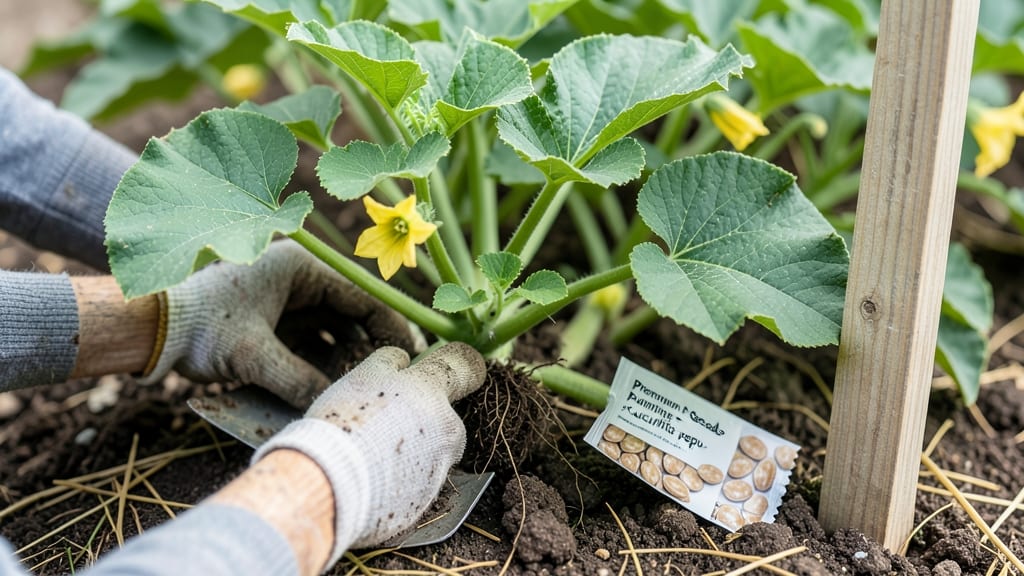
Timing your 🎃 pumpkin planting in Ohio isn’t just about the calendar—it’s about catching that perfect soil temperature window between 60°F and 70°F to ensure strong germination and a bountiful harvest.
If you plant too early, cold soil can stall growth; too late, and your vines might not mature before frost.
With Ohio’s varied microclimates—from the cooler hills of Appalachia to the warmer plains near Toledo—knowing the right week to drop those seeds could mean the difference between a thriving patch and a failed experiment.
Most Ohio gardeners aim to plant pumpkins after the last frost date, typically between mid-May and early June in USDA Zone 6a, but soil conditions often dictate the real deadline. Transplants can handle slightly cooler soil, while direct-sown seeds need warmth to break dormancy.
I’ll break down the exact frost-free windows for key cities like Columbus and Cincinnati, plus how to adjust if your spring runs warmer or colder than usual.
What you’ll discover here is a week-by-week planting guide tailored to Ohio’s climate, including soil temperature thresholds and companion planting tips to boost your pumpkins’ success.
Whether you’re growing ‘Howden’ for early harvests or ‘Jack Be Little’ for compact vines, this timing strategy will help you avoid the most common mistakes—like planting too late or ignoring soil prep—that leave gardeners scratching their heads by summer.
Ready to turn your Ohio garden into a pumpkin powerhouse? Let’s dive into the critical factors that separate a mediocre harvest from a showstopping one, starting with the soil thermometer in hand.
Ohio pumpkin planting calendar: soil temperature & frost-free deadlines by week
Ohio’s USDA Zone 6a climate means your pumpkin planting window hinges on two critical factors: soil temperature and last frost dates. While most gardeners aim for mid-May to early June, the real deadline is when your soil hits 60°F+—the magic number for germination.
In northern Ohio, this could push planting to early June, while southern Ohio may see earlier windows. Let’s break it down by region and week to avoid the common mistake of planting too early in cold soil.
For direct-sown seeds, wait until the soil consistently stays above 70°F during the day. Transplants can handle slightly cooler soil (60°F+), giving you a 1-2 week head start if you’re using young plants.
Below, I’ve mapped out the ideal planting weeks for Ohio’s major cities, including frost-free deadlines and soil temperature thresholds to help you sync your schedule with Mother Nature’s timeline.
🌱 Did You Know?
Here’s your week-by-week planting guide for Ohio, tailored to soil conditions and frost risks:
If you’re unsure about your soil temperature, invest in a soil thermometer—it’s the only way to know for sure. Pro tip: Black plastic mulch can raise soil temps by 5-10°F, giving you an earlier start in cooler regions.
For gardeners in northern Ohio, consider transplants instead of seeds to shave off critical days.
Remember: Pumpkins need 90-120 days to mature, so count backward from your first frost date (typically mid-October) to avoid late-season disappointments. If you’re in
5 Critical factors that determine Ohio pumpkin planting success (and when to adjust)
Ohio’s microclimates can shift your pumpkin planting window by weeks—especially between the cool Appalachian hills and warmer Toledo plains. The first factor is soil temperature: seeds need 60°F+ to germinate, while transplants tolerate 55°F+.
I’ve seen gardeners in Zone 5a wait until late May for safe soil warmth, while Zone 6b areas near Cincinnati can plant as early as mid-April if using transplants.
Next, last frost dates vary wildly—Columbus averages April 20th, but northern Ohio can see frost into May 10th. Always check your local frost-free zone and add a 2-week buffer for safety. Pro tip: Use row covers to extend your window by 10-14 days if frost threatens after planting.