
Companion Plants
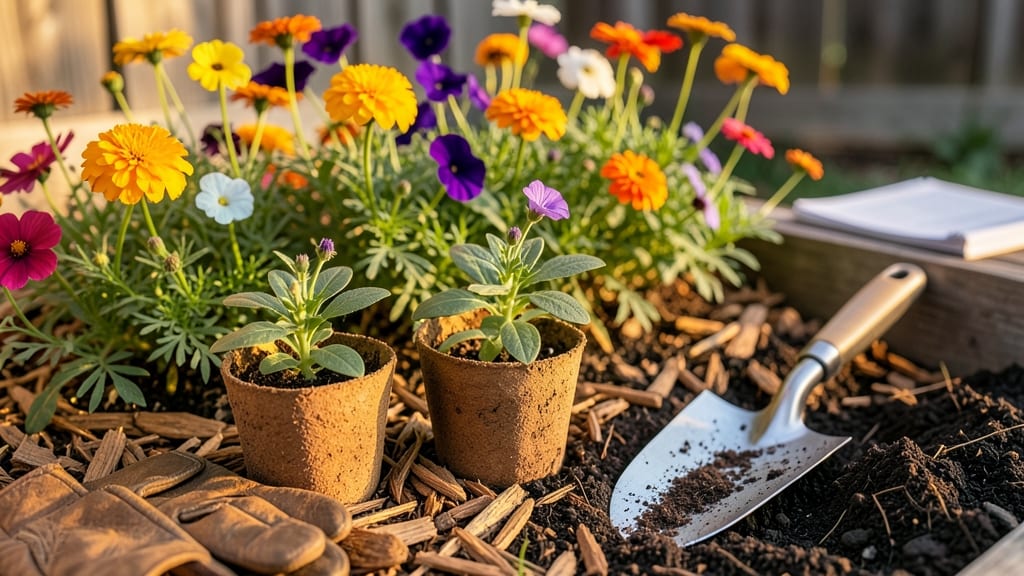
When can I plant annuals in Zone 6? The answer isn’t just about waiting for spring—it’s about timing your 🌸 annuals perfectly to avoid frost damage or missed harvests. In Zone 6, where last frosts typically hit around April 15, planting too early can leave tender seedlings vulnerable, while waiting too long might cut your blooms short.
Most gardeners in Zone 6 (including sub-regions like 6a/6b) start planting after the last frost date, usually between late April and early May, when soil temperatures reach at least 50°F. But did you know you can also plant a second crop in late summer?
Fall planting begins 4-6 weeks before the first frost, often around late August, to extend your growing season.
Whether you’re growing cold-hardy flowers like pansies or heat-loving veggies like tomatoes, getting the timing right is the key to a thriving garden. I’ll break down the exact weeks before last frost for both spring and fall planting, plus how to adjust for unpredictable weather.
Let’s make sure your annuals get the strong start they deserve!
From soil prep to frost protection, this guide covers everything you need to know to maximize your garden’s potential. You’ll learn which annuals thrive in Zone 6’s climate, how to extend the season with row covers, and even how to handle early or late frosts. Ready to plant with confidence?
Zone 6 last frost dates: exact weeks before planting annuals by region
In Zone 6, knowing your last frost date is the key to planting annuals successfully. The average last spring frost falls around April 15, but this can vary by 6a vs 6b subzones.
For Zone 6a, expect frost until April 22, while Zone 6b typically warms up by April 8. Always check your local Almanac for precise dates.
Most cool-season annuals (like lettuce or pansies) can handle light frosts, but warm-season plants (tomatoes, peppers) need soil temperatures above 50°F to thrive. Plant cool-season crops 4-6 weeks before last frost, while warm-season plants should go in 2-3 weeks after.
This timing ensures strong root development before summer heat arrives.
Here’s how to use this data for your planting schedule:
| Plant Type | Planting Window | Weeks Before Frost | Soil Temp Requirement |
|---|---|---|---|
| Cool-Season Annuals (Pansies, Lettuce) | March–April | 4–6 weeks before last frost | 40–50°F (4–10°C) |
| Warm-Season Annuals (Tomatoes, Peppers) | May–June | 2–3 weeks after last frost | 55–65°F (13–18°C) |
| Heat-Tolerant Annuals (Marigolds, Zinnias) | April–May | 1–2 weeks after last frost | 50–60°F (10–15°C) |
| Fall Annuals (Kale, Radishes) | August–September | 6–8 weeks before first frost | 45–55°F (7–13°C) |
For Zone 6a, aim to plant cool-season annuals by March 15 to avoid frost damage. In Zone 6b, you can push this to March 22 safely. Warm-season plants like tomatoes and peppers should wait until May 1 or later, when soil temperatures consistently stay above 55°F.
Use a soil thermometer to confirm—cool soil slows germination.
Pro tip: Start heat-loving annuals indoors 6–8 weeks before your last frost date. This gives seedlings a head start and extends your growing season. For example, pepper plants need 8–10 weeks indoors before transplanting, so begin them by March 1 in Zone 6.
Don’t forget about fall planting! Many annuals thrive in cooler weather. Plant kale, radishes, or pansies 6–8 weeks before your first frost (typically September 15–October 1 in Zone 6). This gives them time to mature before winter sets in.
If you’re unsure about your exact frost dates, use the USDA Plant Hardiness Zone Map and local weather reports. For example, Chicago (Zone 6a) has a later last frost than St. Louis (Zone 6b), so adjust accordingly.
Always err on the side of caution—better to wait a few extra days than risk losing plants to frost.
For gardeners in Zone 6b, you might even squeeze in a second planting of fast-growing annuals like bush beans or lettuce in early July. These can mature before frost arrives in October, giving you a late-summer harvest.
Finally, keep a planting journal to track your success. Note which annuals thrive in your microclimate and adjust future planting dates accordingly. Over time, you’ll fine-tune your schedule to match your unique Zone 6 growing conditions.
Best annuals to plant in Zone 6: cool vs warm season planting schedule
Zone 6 gardeners have two prime planting windows for annuals: spring after the last frost and late summer for fall blooms.
Cool-season annuals like pansies and lettuce thrive when planted 4-6 weeks before the last frost, while warm-season varieties such as tomatoes and marigolds need soil temperatures above 50°F (10°C) to germinate successfully.
For a longer growing season, I recommend starting with cold-hardy annuals in early spring and transitioning to heat-loving varieties as temperatures rise. This strategy ensures continuous color and harvests from April through October.
Let’s break down the best annuals for each season and how to time their planting for maximum success.
🌱 Numbered Highlights: Zone 6 Annual Planting Guide
- Pansies & Violas: March-April (tolerate light frost, bloom all season)
- Lettuce & Spinach: March-April (harvest before bolting in heat)
- Calendula: March-April (edible petals, pest-repellent)
- Sweet Alyssum: March-April (low-growing, great for borders)
- Snapdragons: March-April (biennial but treated as annual; needs cool soil)
- Tomatoes: May-June (start indoors 6-8 weeks before transplanting)
- Peppers: May-June (slow to germinate; wait until soil is warm)
- Marigolds: May-June (pest-deterrent; direct sow after frost)
- Zinnias: May-June (long bloom time; deadhead for continuous flowers)
- Sunflowers: May-June (tall varieties need staking; plant in full sun)
- Cosmos: July-August (self-seeds; drought-tolerant)
- Basil: July-August (harvest leaves before frost)
- Kale: July-August (sweeter after light frost; cold-hardy)
- Nasturtiums: July-August (edible flowers; pest-repellent)
- Dianthus: July-August (fragrant blooms; tolerates cool nights)
To extend your growing season, use row covers or cold frames for early spring plantings. For example, I’ve successfully grown spinach in Zone 6 as early as February by using a lightweight frost blanket. Similarly, marigolds planted in late July can bloom until the first frost if given consistent water.
Succession planting is another key strategy. For instance, sow bush beans every 2 weeks from May through July to ensure a steady harvest. This approach works for both vegetables and flowers, keeping your garden vibrant and productive all season long.
Pro tip: Always check your local microclimate—areas near water or hills may frost earlier or later than average. Use a soil thermometer to confirm temperatures before planting heat-loving annuals like peppers, which won’t germinate in cool soil.