
Plants
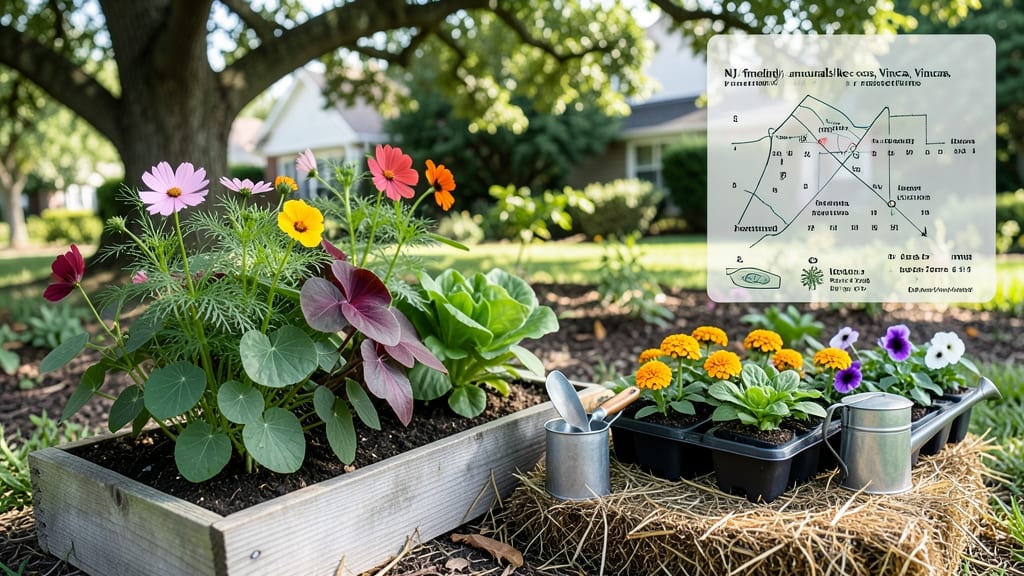
Timing your annuals planting in NJ could mean the difference between a garden bursting with color and one that barely survives the first frost. With New Jersey’s diverse climate—from coastal breezes to inland heat—knowing the exact window matters more than you might think.
Whether you're in the Piedmont region or near the Jersey Shore, the right start date ensures your 🌱 annuals thrive. I’ll break down when to plant by microclimate, so you can avoid those late-spring surprises and enjoy blooms all season long.
From heat-loving petunias to cool-season pansies, I’ll show you which varieties work best in NJ’s zones 6a-7b and how to extend your planting season with simple tricks. No more guessing—just a clear, actionable timeline for your garden’s success.
Ready to transform your outdoor space? Let’s dive into the exact dates, local tips, and plant-by-plant strategies that’ll have your garden looking its best from spring through fall.
NJ planting zones explained: when to start annuals by microclimate type
New Jersey’s USDA zones 6a-7b create a unique gardening puzzle. While the official last frost date hovers around April 15 for most areas, your actual planting window depends on whether you're in the coastal zone, Piedmont region, or Delaware Valley.
Coastal areas like Cape May often see frost-free conditions by March 20, while inland spots near Trenton can wait until May 1 for safety.
The key is understanding how microclimates shift planting dates. Urban heat islands in Newark or Jersey City can warm soil faster, while shaded suburban backyards may need extra protection. I’ll show you how to adjust your schedule based on your specific location to maximize your annuals' growing season.
Here’s the critical data you need: coastal areas gain 2-3 weeks earlier planting, while inland zones should wait until May 10 for heat-loving varieties. The difference between these windows can mean the difference between a lush summer display and a garden that struggles through inconsistent temperatures.
| Microclimate | Last Frost Date | Safe Planting Window | Heat-Tolerant Varieties |
|---|---|---|---|
| Coastal (Cape May, Shore Areas) | March 20 | April 1 - April 15 | Petunias, Marigolds, Zinnias |
| Piedmont (Trenton, Princeton) | April 15 | April 20 - May 1 | Geraniums, Snapdragons, Celosia |
| Delaware Valley (Philadelphia Edge) | April 25 | May 1 - May 10 | Portulaca, Lantana, Vinca |
| Urban Heat Islands (Newark, Jersey City) | April 10 | April 15 - April 25 | Coleus, Begonias, Sweet Potato Vine |
For coastal gardeners, the earlier window means you can start heat-loving annuals like marigolds and zinnias by early April. These varieties thrive in the warmer soil that develops faster near the shore.
Meanwhile, Piedmont gardeners should hold off until late April to avoid late frosts that can devastate tender seedlings.
If you’re in zone 7b (like parts of Hunterdon County), you can push the envelope further. I’ve seen gardeners in these areas successfully plant tropical annuals like hibiscus as early as May 1 by using black plastic mulch to warm the soil.
This trick adds 5-7°F to soil temperature, creating a microclimate perfect for heat-sensitive plants.
One common mistake I see is planting cool-season annuals like pansies too late. These thrive when soil temps stay below 75°F. In inland NJ, that means planting by early May—any later, and they’ll bolt or struggle.
For urban gardeners, consider starting these in containers where you can move them to shadier spots as summer heats up.
Pro tip: Use the NJ State Climate Office’s frost maps to track real-time conditions. Their data shows that 2023’s last frost in some areas came as late as May 5, proving that averages aren’t everything.
Pair that with a frost watch app, and you’ll never be caught off guard again.
For container gardeners, these microclimate rules still apply—but with more flexibility. Containers warm up faster, so you can plant 2-3 weeks earlier than in-ground. Just be ready to move pots to sheltered spots if a late frost warning pops up.
This is how I’ve successfully grown tender basil in Jersey City by early April!
Remember: Soil temperature matters more than air temperature. Use a soil thermometer ($10 at garden centers) to confirm when it’s safe to plant. Aim for 60°F+ for most annuals—any cooler, and roots struggle to establish. This simple tool has saved my petunia seedlings from multiple close calls with late frosts.
Your microclimate isn’t just about frost dates—it’s about heat tolerance too. Coastal areas cool down faster in summer, while inland zones can hit 95°F+ soil temps. Choose drought-tolerant annuals like portulaca for hotter spots, or opt for shade-loving impatiens in urban courtyards where afternoon sun scalds leaves.
Start with these microclimate-specific rules, and your annuals will reward you with bold blooms all season. Next, we’ll dive into which plants thrive in each window—and how to stretch your planting season even further with simple tricks.
Heat-tolerant annuals vs. cool-season stars: which to plant when in NJ
New Jersey’s summer heat and cool spring nights demand smart choices for your annuals. Heat-loving varieties like marigolds and zinnias thrive when planted after the last frost, while cool-season stars like pansies and lettuce need earlier starts. Let’s match your plants to NJ’s microclimates for zero-frost risk.
In coastal NJ (zones 6b-7a), where breezes delay heat, you can plant heat-tolerant annuals like geraniums and celosia as early as April 15. Inland areas (zones 6a-7b) should wait until May 1 to avoid late frosts.
Cool-season picks like snapdragons or calendulas can go in March for early blooms.
🌱
| Plant Type | Best NJ Planting Window | Heat Tolerance | Cool Tolerance | Succession Tip |
|---|---|---|---|---|
| Marigolds | After May 1 | ✅ High | ❌ Low | Sow every 2 weeks |
| Pansies | March-April | ❌ Low | ✅ High | Plant again in Sept |
| Zinnias | May 15-June 1 | ✅ High | ❌ Medium | Deadhead weekly |
| Lettuce | March-Sept | ❌ Low | ✅ Very High | Shade cloth in summer |
| Petunias | After May 10 | ✅ High | ❌ Medium | Use heat-tolerant varieties |
For succession planting, try sowing basil every 2 weeks from May through July to keep your kitchen garden stocked. Cool-season kale or spinach can handle light frosts, so plant these in late August for a fall harvest.
Just remember: heat-loving annuals need warm soil—wait until nighttime temps stay above 55°F.
🌡️
Pro tip: Use mulch to regulate soil temps. A 2-inch layer of straw keeps roots cool in summer and warm in spring. For container gardens, choose heat-tolerant varieties like portulaca or lantana—they bounce back from heat waves better than others.
Test your soil’s pH (aim for 6.0-7.0) to help plants absorb nutrients efficiently.
💧