
Plants
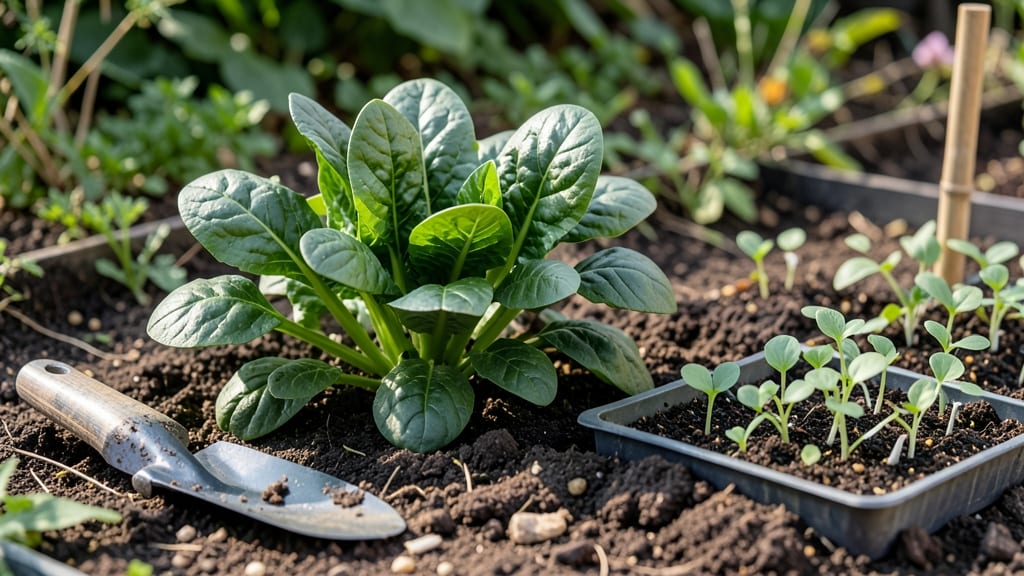
Timing your fall spinach planting in Zone 6 can mean the difference between a thriving harvest and a bitter disappointment—especially when the first frost looms just weeks away.
The key isn’t just when you plant, but how you sync it with cooling temperatures and daylight shifts to avoid bolting or stunted growth. With the right window, you’ll enjoy tender, cold-hardy 🥬 leaves well into November, even as other gardeners watch their crops fade.
Most Zone 6 gardeners rush to plant too early, only to see their spinach bolt in August’s heat—or too late, missing the sweet spot before frost.
The ideal time? 6–8 weeks before your first expected frost (around mid-October in 6a/6b), but soil temperature and daylight hours play just as big a role. I’ll break down the exact weeks to aim for, plus how to adjust if your summer runs hotter (or cooler) than average.
You don’t need a crystal ball to nail this—just a few simple checks, like monitoring soil temps (aim for 50–65°F) and choosing cold-tolerant varieties like ‘Winter Bloomsdale’ or ‘Tyee.’ These picks thrive when days grow shorter, turning your late-summer garden into a leafy goldmine.
Ready to lock in your planting date? Let’s get those seeds in the ground at the perfect moment.
The best part? With the right timing, you’ll harvest spinach long after most gardeners have packed up for winter. Whether you’re a first-timer or a veteran gardener, these strategies will help you beat the clock—and the frost.
Let’s dive into the exact steps to make your fall spinach season a success.
Optimal planting windows for fall spinach in Zone 6: weeks before frost
In Zone 6, fall spinach thrives when planted between August 1st and September 15th, giving it time to mature before the first frost. The key is planting 6–8 weeks before your average first frost date—typically around October 15th in Zone 6.
This window balances heat avoidance (to prevent bolting) and frost resilience (to maximize harvest).
For direct sowing, start seeds in late July to early August for a mid-fall harvest. If transplanting starts, aim for mid-August to ensure roots establish before cooler temps arrive. Early varieties like 'Bloomsdale Long Standing' can handle cooler soil, while late varieties like 'Giant Winter' need warmer starts.
Your exact planting date depends on your local frost data. Check the USDA Plant Hardiness Zone Map for your specific location within Zone 6 (e.g., 6a vs. 6b).
For example, 6a areas (colder) may plant as late as September 1st, while 6b areas (warmer) can start as early as July 25th.
| Stage | Action | Notes |
|---|---|---|
| Late July | Direct sow early varieties | Soil temp: 60–70°F |
| Mid-August | Transplant starts or sow late varieties | Avoid heat stress |
| Early September | Succession sow for staggered harvest | Plant every 2 weeks |
| October 15th | Harvest begins (before hard frost) | Protect with row covers if needed |
Direct sowing is ideal for fall spinach because it avoids transplant shock and lets seeds germinate in cooler soil. Scatter seeds ½ inch deep, 1 inch apart, and thin to 3–4 inches once seedlings emerge.
If transplanting, choose 4–6 week old starts and harden them off for 7–10 days before planting.
Soil temperature is critical—spinach seeds need 40–70°F soil to germinate. Use a soil thermometer to confirm readiness. If your soil is too warm (above 75°F), delay planting until temps drop. Mulch with straw or shredded leaves to keep roots cool and retain moisture.
For maximum yield, pair spinach with companion plants like lettuce, radishes, or carrots, which share similar growing conditions. Avoid planting near potatoes or tomatoes, as they compete for nutrients. Rotate your planting area yearly to prevent soil-borne diseases like downy mildew.
In Zone 6, your spinach will likely survive light frosts (28–32°F) but may suffer damage in hard frosts (below 28°F). If frost is forecasted before harvest, use row covers or cold frames to extend the season. Harvest leaves before the first hard frost for the sweetest flavor.
Remember: Fall spinach is a cool-season crop, so it grows best when days grow shorter and temps drop. By planting in this 6–8 week window, you’ll enjoy tender, bolt-resistant leaves well into November—just in time for hearty salads and winter soups.
Optimal planting windows for fall spinach in Zone 6: weeks before frost
In Zone 6, your fall spinach planting window hinges on two critical dates: your average first frost (typically mid-October) and soil temperatures dropping below 80°F.
To maximize your harvest, aim to plant 6–8 weeks before frost, which for most Zone 6 gardeners lands in late August to early September. This timing ensures your spinach matures before winter sets in but avoids the heat stress that triggers bolting.
For example, if your first frost is October 15, backtrack 6–8 weeks to land on August 28–September 10. However, this is a general rule—your exact window depends on your local microclimate.
Urban areas may frost earlier than rural spots, while higher elevations in Zone 6b might push your window slightly later. Always check your USDA Plant Hardiness Zone map for precise adjustments.
| Planting Window | Weeks Before Frost | Soil Temp Range | Best Varieties |
|---|---|---|---|
| Late August (Zone 6a) | 7–8 weeks | 50–65°F | 'Tyee', 'Winter Bloomsdale' |
| Early September (Zone 6b) | 6–7 weeks | 45–60°F | 'Space', 'Giant Winter' |
| Mid-September (Late Adjustment) | 4–5 weeks | 40–55°F | 'Bloomsdale Long Standing' |
Direct sowing is the best method for fall spinach in Zone 6, as transplants struggle to establish roots in cooling soil. Scatter seeds ½ inch deep, spaced 4 inches apart in rows 12 inches apart.
Thin seedlings to 6–8 inches apart once they’re 2–3 inches tall—this prevents overcrowding and improves air circulation, reducing disease risk. If you’re transplanting (e.g., for a late-September start), choose smaller seedlings and harden them off for 5–7 days before moving them to the garden.
Pro tip: Use a soil thermometer to confirm temperatures are below 80°F before planting. If your soil is still hotter than this, wait a week or two—spinach seeds won’t germinate well in heat, and seedlings may bolt prematurely.
Mulch with straw or shredded leaves after planting to keep soil temps stable and retain moisture, especially as nights cool.
For maximum yield, consider a succession planting strategy: sow half your seeds in late August and the other half in early September. This stretches your harvest window from October through November, giving you fresh spinach even as other crops fade.
Just be sure to harvest outer leaves first to encourage regrowth and avoid letting plants bolt.
Remember, spinach is a cool-season crop, so it thrives in fall’s shorter days and cooler temps. By planting at the right time—6–8 weeks before frost—you’ll enjoy a harvest that’s sweeter, more tender, and far more abundant than spring plantings.
With these exact windows and variety choices, your Zone 6 garden will be a spinach powerhouse this fall. 🥬