
Plants
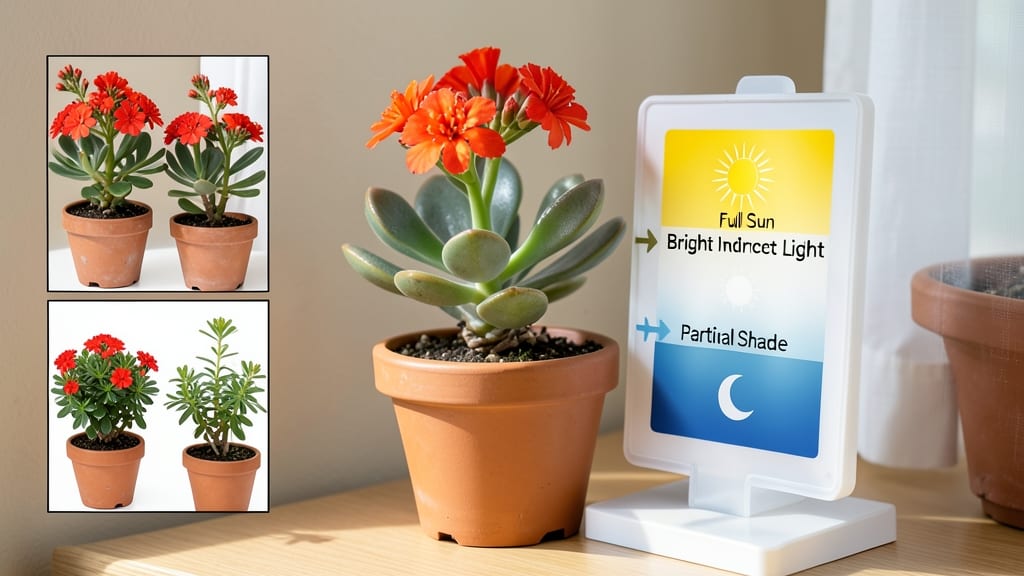
If you’re wondering how much light does a Kalanchoe plant need, you’re not alone—light is the most critical factor for its health.
This succulent thrives with just 3-4 hours of bright, indirect sunlight daily, but too much direct exposure can scorch its leaves, while too little leaves it leggy and weak.
You might think more light is always better, but overdoing it can backfire, especially in hot climates where afternoon sun becomes harsh. The key is finding that sweet spot where your Kalanchoe gets enough energy to bloom vibrantly without stress.
I’ll show you exactly how to balance its light needs, whether you’re growing it indoors near a window or outdoors in your 6a zone garden.
What if your space doesn’t get enough natural light? Don’t worry—there are simple fixes, like rotating your plant for even growth or using artificial grow lights during winter. You’ll also learn to spot the signs of light deficiency (like pale, stretched stems) and how to adjust before it’s too late.
By the end, you’ll have a clear plan to give your Kalanchoe the perfect light conditions, ensuring it stays lush, healthy, and ready to burst into beautiful blooms. Let’s get started!
 Best Window Placement
Optimal light requirements for kalanchoe plants: bright indirect sun vs direct sunlight
Kalanchoe plants are stunning succulents that reward you with vibrant blooms and compact foliage, but they’re picky about their light exposure. Unlike hardy cacti, kalanchoes need bright indirect sunlight for at least 3-4 hours daily.
Too little light leads to leggy stems, while too much causes sunburned leaves. Let’s break down the perfect balance for your plant’s needs.
For indoor kalanchoes, a south-facing window is ideal because it provides the gentle morning sun and filtered afternoon light they crave. If your home lacks natural light, a grow light can supplement during winter months when daylight is scarce.
Outdoor plants thrive in partial shade with protection from harsh midday rays, especially in hot climates.
Here’s how to match your kalanchoe’s light needs to its environment:
| Light Condition | Daily Duration | Best For | Signs of Stress |
|---|---|---|---|
| Bright Indirect Light | 3-4 hours | Indoor plants, east/west windows | Pale leaves, slow growth |
| Morning Sun + Afternoon Shade | 4-6 hours | Outdoor pots, patios | Sunburn spots, crispy edges |
| Full Sun (Filtered) | 2-3 hours max | Hot climates, sheer curtains | Bleached leaves, wilting |
| Low Light (Grow Lights) | 12-14 hours/day | North-facing windows, winter | Stretched stems, no blooms |
Watch for etiolation—those stretched, weak stems—which signals your kalanchoe isn’t getting enough light. Conversely, crispy leaf edges or white patches mean it’s receiving too much direct sun. Rotate your plant quarter-turns weekly to ensure even growth, especially if it’s near a window.
In summer months, kalanchoes appreciate a sheer curtain to diffuse the intense midday sun. If you notice yellowing leaves, move the plant further from the window or into partial shade. During winter, supplement with a 12-hour grow light to mimic daylight and encourage blooming.
Pro tip: Flowering kalanchoes need 12-14 hours of darkness daily to trigger blooms. Avoid leaving them under artificial lights after sunset, or they’ll skip their natural dormancy cycle. This is why many kalanchoes bloom in winter—they’re following their light-dark cues.
For outdoor growers, place kalanchoes in dappled shade under trees or on elevated surfaces like decks. Avoid south-facing walls in hot zones, as they reflect intense heat that can scorch leaves. With the right light balance, your kalanchoe will reward you with colorful blooms for months.
Remember, adjustments are key. If your plant’s leaves start curling or drooping, reassess its light spot. Kalanchoes are forgiving but communicative—they’ll tell you exactly what they need if you observe closely. 🌸
Optimal light requirements for kalanchoe plants: bright indirect sun vs direct sunlight
Kalanchoe plants thrive best with bright indirect sunlight for 3-4 hours daily, making them perfect for east or west-facing windows. While they tolerate some direct sunlight, harsh afternoon rays can scorch their leaves, leading to brown patches or crispy edges.
Understanding these light needs is key to preventing common issues like etiolation (stretched, weak stems) or sunburn.
For indoor kalanchoes, place them within 3 feet of a south-facing window to maximize light exposure without risking overheating. If natural light is limited, supplement with a grow light for 12-14 hours daily during winter months.
This mimics their natural habitat in arid regions where sunlight is intense but indirect.
Outdoor kalanchoes can handle morning sun or filtered shade, especially in hot climates. Avoid placing them under direct midday sun unless they’re acclimated gradually. A sheer curtain can diffuse harsh light while maintaining brightness, creating an ideal environment for vibrant blooms and compact growth.
| Light Condition | Ideal Duration | Best Placement | Signs of Stress |
|---|---|---|---|
| Bright Indirect | 3-4 hours | East/west window | Healthy growth, blooms |
| Direct Sunlight | 1-2 hours max | Morning sun only | Brown spots, crispy leaves |
| Low Light | <2 hours | North window | Leggy stems, pale leaves |
If your kalanchoe starts showing signs of legginess (long, thin stems), it’s craving more light. Rotate the pot quarter-turns weekly to ensure even exposure and prevent one-sided growth. Conversely, yellowing leaves or drooping may signal too much direct sun or overwatering—common mistakes when adjusting light conditions.
For outdoor kalanchoes, transition them from indoor to outdoor spaces gradually over 1-2 weeks to avoid sun shock. Start with dappled shade and slowly increase exposure. In winter, reduce watering and supplement light with LED grow bulbs to maintain their photosynthetic needs and prevent dormancy.
Pro tip: Place your kalanchoe near a west-facing window in summer for gentle afternoon light or a south-facing window in winter for extended daylight. Monitoring these light cues ensures your plant stays compact, colorful, and blooming year-round.