
Plants
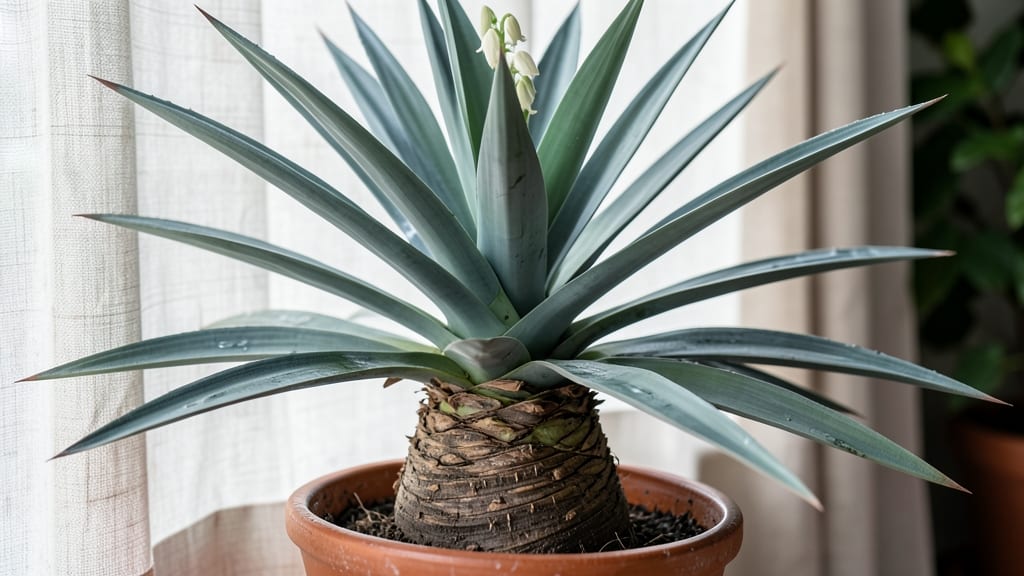
If your yucca plant 🌵 looks sadder than a rainy day in Zone 6a, you’re probably not giving it the right amount of light—how much light does a yucca plant need is the question many gardeners ask, and the answer is critical.
The truth? Yuccas are drama queens when it comes to sunlight, and getting the balance right is the key to seeing those striking leaves thrive year-round.
Too little light, and your yucca will stretch out like a sleepy cat, its leaves thinning and losing that sharp, architectural edge. Too much, and you’ll end up with crispy, sunburned tips—like overcooking a steak.
The good news? Yuccas are tougher than they look, and with the right light strategy, you can keep them happy whether they’re basking outdoors or perched on your living room windowsill.
Here’s the secret: yuccas crave bright, indirect light—think of it as their version of a sunny beach day without the risk of a meltdown.
Whether you’re dealing with a spring planting or just trying to fix a struggling houseplant, I’ll break down exactly how much light your yucca needs to go from "meh" to "wow" in no time.
Ready to transform your yucca from a struggling survivor to a showstopper? Let’s dive into the light conditions that’ll have your plant reaching for the sky—literally.
You’ll learn how to spot the signs of light stress, where to place your yucca indoors (and outdoors), and how to adjust as the seasons change. No more guesswork, just happy, healthy growth.
 Best Window Placement
Yucca plant light requirements: ideal sunlight balance for healthy growth
Yucca plants are sun worshippers at heart, but they’re surprisingly adaptable to different light conditions. While they thrive in full sun, they can also handle bright indirect light indoors or in partial shade.
The key is understanding their light tolerance spectrum—from 6+ hours of direct sunlight to moderate indirect light—to keep your yucca healthy and vibrant.
In their natural desert habitats, yuccas bask under the intense Mediterranean sun, which explains why they love full sun exposure. However, they’ve also evolved to survive in dry, rocky soils with minimal water, making them surprisingly resilient to less-than-ideal lighting.
This adaptability is why yuccas are popular for both outdoor landscapes and indoor container gardening.
For optimal growth, aim to provide your yucca with at least 6 hours of direct sunlight daily. This ensures robust stem development, lush foliage production, and even flowering in mature plants.
If you notice pale or leggy growth, it’s a clear sign your yucca is craving more light.
| Light Condition | Daily Sunlight | Plant Response | Best For |
|---|---|---|---|
| Full Sun | 6+ hours direct | Strong stems, vibrant leaves, potential flowering | Outdoor landscapes, desert gardens |
| Partial Sun | 3-6 hours direct | Moderate growth, slightly softer leaves | Patio pots, urban balconies |
| Bright Indirect Light | No direct sun, near window | Slow growth, leggy stems, pale leaves | Indoor containers, north-facing windows |
| Low Light | Minimal natural light | Stunted growth, yellowing leaves, weak stems | Avoid—use grow lights if necessary |
If you’re growing your yucca outdoors in hot climates, like USDA Zones 8-11, they’ll thrive in full sun all day long. However, in cooler regions (Zones 5-7), afternoon shade can prevent leaf scorch during peak summer heat.
A morning sun, afternoon shade setup is ideal for these areas.
For indoor yuccas, position them near a south- or west-facing window to maximize bright indirect light. East-facing windows work too, but you may need to rotate the plant weekly to ensure even growth.
Avoid placing your yucca in dim corners, as this leads to weak, stretched stems and pale foliage.
Yuccas are drought-tolerant, but their light needs directly impact their watering schedule. Plants in full sun will need less frequent watering because the intense light dries out soil faster.
Conversely, yuccas in low light may require more consistent moisture to prevent stress. Always check soil moisture before watering—dry soil is better than soggy soil for yuccas.
One common misconception is that yuccas only thrive in extreme heat. While they love warmth and sunlight, they can also tolerate mild winters if given the right light conditions.
In USDA Zone 6 or colder, grow your yucca in a container and bring it indoors during winter to ensure it gets enough bright light even when outdoor temperatures drop.
To test your yucca’s light needs, observe its foliage color and growth pattern. Healthy yucca leaves should be deep green with a slight blue-gray tint. If they turn yellow or brown, it’s a sign of too much direct sun or underwatering.
If leaves lose their color and stretch, your plant needs more light.
Pro tip: If you’re unsure about your yucca’s light exposure, use a light meter or plant light app to measure foot-candles or lux levels. Yuccas typically need 1,000-2,000 foot-candles of light for optimal health.
This tool can help you fine-tune placement for the perfect balance of sunlight and shade.
Yucca plant light requirements: ideal sunlight balance for healthy growth
Yuccas are sun worshippers at heart, but they’re not as picky as you might think. While they love bright, direct sunlight, they can also handle low indirect light—though their growth will suffer.
The key is finding that sweet spot where your yucca gets enough light to thrive without frying its leaves. For most varieties, 6 to 8 hours of sunlight daily is ideal, but even 4 hours of bright indirect light can work in a pinch.
Outdoors, yuccas shine in full sun conditions, making them perfect for south-facing gardens or rocky, arid landscapes. They’re drought-tolerant and often thrive in USDA Zone 6a and warmer, where intense sunlight is the norm.
However, if you’re growing yuccas in shadier climates or as houseplants, you’ll need to get creative with placement and supplementary lighting.
Here’s the golden rule: yuccas hate low light. If your plant starts stretching toward the nearest window or developing pale, weak leaves, it’s begging for more brightness. On the flip side, too much harsh afternoon sun can scorch the tips, leaving them crispy and brown.
The solution? A balance—think of it like a sunbathing session with SPF.
🌱 Yucca Light Requirements Summary
| Light Condition | Ideal Duration | Growth Impact |
|---|---|---|
| Full Sun | 6+ hours daily | Optimal growth, vibrant leaves |
| Bright Indirect | 4-6 hours daily | Slower growth, weaker stems |
| Low Light | <2 hours daily | Leggy growth, pale leaves |
| Direct Harsh Sun | Unfiltered afternoon sun | Sunburn, crispy leaf tips |
If you’re planting yuccas outdoors, spring or fall is the best time to give them a head start. They’ll establish roots before the intense summer sun hits, reducing the risk of shock.
For container-grown yuccas, rotate them every few weeks to ensure even light exposure—this prevents lopsided growth and keeps those striking leaves pointing upward.
In Zone 6a, where winters can be chilly, yuccas enter a dormant phase. During these months, they’ll tolerate less light, but don’t let them sit in complete darkness. Even a south-facing window or a spot near a skylight can provide enough light to keep them alive until spring.
If your yucca is indoors, supplement natural light with a grow light for 12-14 hours a day to mimic daylight.
Remember, yuccas are adaptable, but they’ll always perform best with plenty of light. Whether you’re growing them as a drought-resistant garden staple or a low-maintenance houseplant, prioritizing light will keep your yucca looking sharp and healthy year-round.
The payoff? A plant that’s not just surviving, but thriving with minimal fuss.