
Plants
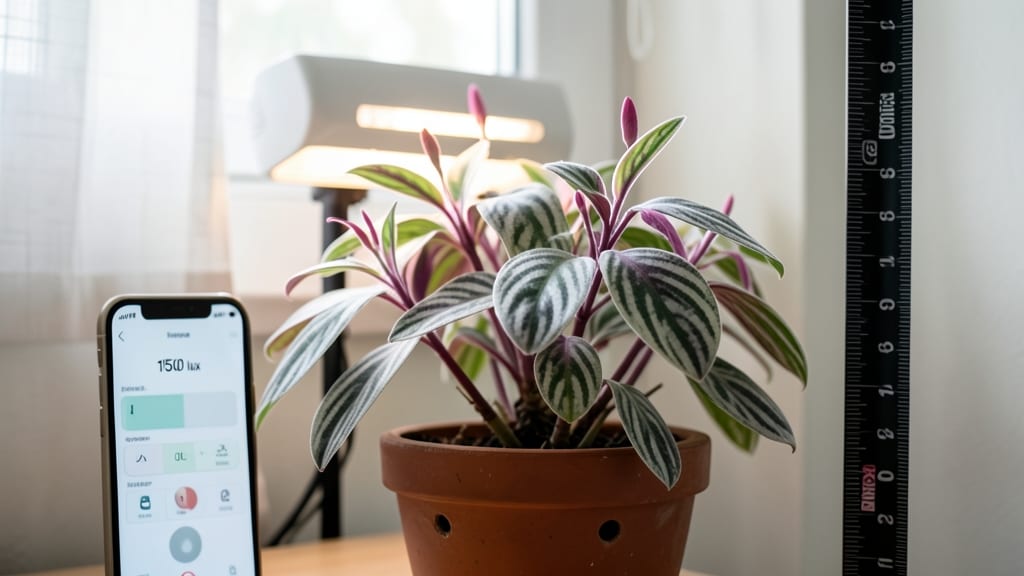
Optimal light requirements for inch plant growth: bright indirect sun explained
Your inch plant (Tradescantia) thrives in bright indirect light, but too much direct sun or insufficient light can spell disaster. This delicate plant needs a balance—4-6 hours of indirect sunlight daily—to maintain its vibrant foliage and prevent common issues like yellowing leaves or leggy growth.
Understanding the nuances of light intensity and duration will transform your plant from a struggling survivor to a thriving showstopper.
Inch plants are adaptable, but their ideal conditions mimic the dappled sunlight of their natural understory habitat. Think of it like positioning your plant near a sheer curtain during peak afternoon sun—enough light to fuel growth, but protection from harsh rays that can scorch delicate leaves.
This balance is key to preventing sunburn while ensuring your plant gets the energy it needs to produce those signature purple-tinged leaves.
Now, let's break down the specifics with a clear summary of what your inch plant truly needs to flourish:
| Light Requirement | Specification |
|---|---|
| Light Type | Bright indirect light |
| Daily Duration | 4-6 hours |
| Best Window | East or North-facing |
| Distance from Window | 1-3 feet |
| Low-Light Tolerance | Survives, but grows slowly |
| Direct Sun Risk | Leaf burn, yellowing |
If your inch plant is positioned near a south-facing window, it’s likely receiving too much direct sunlight, especially during summer months. You’ll notice brown or crispy leaf edges as a telltale sign of sunburn.
To fix this, move your plant 2-3 feet back from the window or use a light sheer curtain to diffuse the intensity. This simple adjustment can make all the difference in preventing damage while still providing enough light for healthy growth.
On the flip side, if your plant is struggling in a dim corner or far from any windows, it may start exhibiting signs of etiolation—long, weak stems with sparse leaves. This happens when the plant stretches toward any available light source, becoming leggy and unstable.
In this case, relocating your inch plant to a brighter spot or supplementing with a grow light can encourage bushier, more compact growth. Even a few hours of additional light can transform your plant’s appearance in just a few weeks.
Seasonal changes also play a critical role in your inch plant’s light needs. During winter months, when natural light is scarce, you may need to rotate your plant regularly to ensure even growth.
Place it near the brightest window in your home and consider using a reflective surface, like a white wall or mirror, to bounce more light onto the leaves. This extra boost can help maintain your plant’s health even when daylight hours are shorter.
Another pro tip: Pay attention to the color of new leaves. Healthy inch plants produce leaves with vibrant green or purple hues. If new growth appears pale or entirely green (without any purple), it’s a sign your plant isn’t getting enough light.
Conversely, if the leaves develop yellow or brown patches, it’s a clear warning of too much direct sun. By tuning into these visual cues, you can make quick adjustments and keep your inch plant looking its best year-round.
For those with limited natural light, don’t despair—modern grow lights make it easy to provide the ideal conditions. A full-spectrum LED grow light placed 6-12 inches above your plant can mimic natural sunlight perfectly.
Aim for 12-14 hours of light per day to compensate for shorter winter days, and adjust the height of the light as your plant grows to maintain the right intensity. This setup ensures your inch plant gets the consistent light it needs, even in the darkest months.
Remember, the goal is to create a stable, stress-free environment for your inch plant. With the right balance of bright indirect light, you’ll reward yourself with a lush, vibrant plant that continues to thrive for years.
Start by assessing your current setup, then make small adjustments based on the signs your plant gives you—your green thumb will thank you!
Optimal light requirements for inch plant growth: bright indirect sun explained
Your inch plant (Tradescantia) thrives in bright indirect light, making it perfect for east or north-facing windows. Too much direct sun causes leaf burn, while too little light leads to leggy growth and sparse foliage. The key is mimicking dappled sunlight—like under a canopy of trees.
For best results, aim for 4-6 hours of bright indirect light daily. This means placing your plant within 1-3 feet of an east-facing window or 2-4 feet from a north-facing window. South or west windows may require sheer curtains to filter harsh rays.
| Light Condition | Daily Duration | Plant Response |
|---|---|---|
| Bright Indirect | 4-6 hours | Vibrant growth, compact leaves |
| Low Light | <2 hours | Leggy stems, sparse leaves |
| Direct Sun | >6 hours | Brown leaf tips, crispy edges |
Seasonal adjustments matter too. During spring and summer, your inch plant can handle slightly more light, but always avoid harsh afternoon sun. In fall and winter, supplement with grow lights if natural light drops below 4 hours daily.
Watch for yellowing leaves or stretched stems—these are red flags. Yellowing often means too much direct sun, while stretching signals insufficient light. Rotate your plant quarter-turns weekly to ensure even growth and prevent leaning toward light sources.
For indoor growers, LED grow lights placed 6-12 inches above your plant work wonders. Use them for 12-14 hours daily to mimic natural daylight cycles. Pair this with well-draining soil and moderate watering to keep your inch plant thriving year-round.
Remember: bright indirect light is non-negotiable for lush, healthy inch plants. Small tweaks—like moving closer to a window or adding a sheer curtain—can make all the difference between a vibrant houseplant and a struggling survivor. 🌿