
Plants
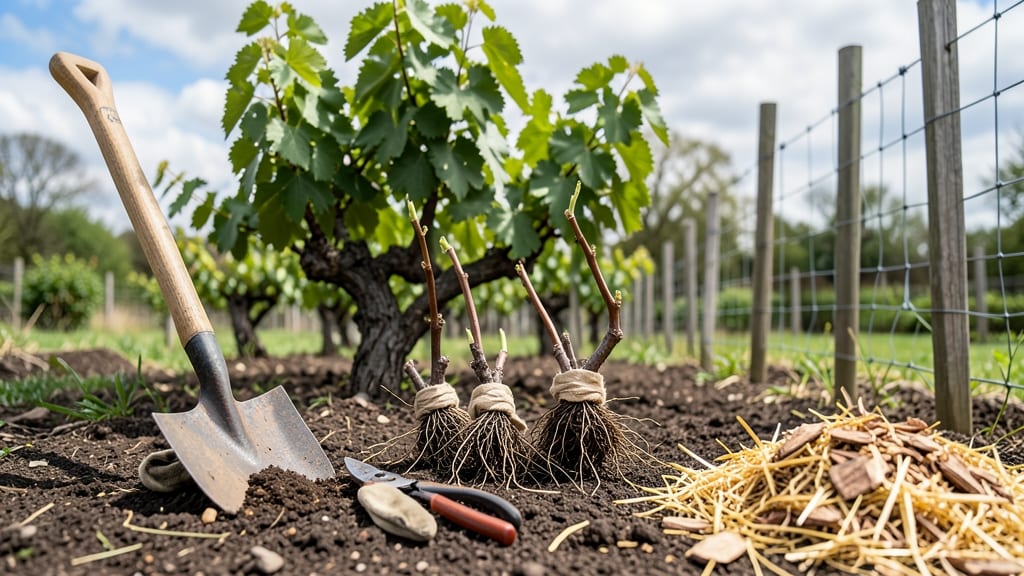
Timing your 🍇 grapes planting in NC can make or break your harvest—get it wrong, and you might spend months watching your vines struggle instead of thriving. North Carolina’s varied climate, from the cool mountain regions to the humid coastal plains, means there’s no one-size-fits-all answer.
But here’s the good news: with the right strategy, you can align your planting schedule with your local microclimate for healthier vines and bigger yields.
Most gardeners in zones 6a-8b reach for their shovels in late winter or early spring, but fall planting also works—if you know the tricks. The key is understanding your last frost date, soil temperature, and whether you’re growing heat-loving vinifera or hardy muscadines.
I’ll walk you through exactly when to plant in each region, plus how to prep your soil and protect your vines from frost surprises.
Let’s start with the basics: why timing matters more than you think. Planting too early risks frost damage, while waiting too long can leave your vines vulnerable to disease. I’ll break down the ideal windows for your specific zone, plus how to adjust for NC’s tricky transitions between seasons.
Ready to set your grapes up for success? Let’s dive in.
You’ll also discover how to read your local microclimate—whether you’re in the Piedmont’s rolling hills or the Coastal Plain’s warmer stretches—and choose the perfect moment to get those roots in the ground.
With the right approach, you could be sipping homegrown wine or snacking on fresh fruit in just a few years. Let’s get those vines growing!
Best planting months for grapes in NC by USDA Zone (5b-8a)
North Carolina’s diverse climate—from the Coastal Plain to the Mountains—means grapes thrive in different windows. Timing your planting to align with USDA zones 5b-8a and last frost dates is critical for survival.
In Zone 5b-6a (mountains), plant bare-root vines in late March-April or fall (September). For Zone 7a-8a (coastal/Piedmont), spring (February-March) or fall (October) works best.
Soil temperature matters too! Grapes need soil temps above 50°F (10°C) to root successfully. Use a soil thermometer to check before planting.
In Zone 6b-7a, aim for April 15-May 1 in spring or September 15-October 15 in fall. Fall planting gives roots time to establish before winter, while spring planting avoids drought stress.
🍇
| USDA Zone | Best Planting Window | Soil Temp Requirement | Last Frost Date | Notes |
|---|---|---|---|---|
| 5b-6a (Mountains) | Late March-April or September | 50°F+ (10°C+) | March 15-April 1 | Cold-hardy varieties like Norton or Concord recommended. |
| 6b-7a (Piedmont) | February-March or September-October | 50°F+ (10°C+) | March 1-April 15 | Ideal for muscadines and vinifera hybrids. |
| 7b-8a (Coastal Plain) | January-February or October-November | 55°F+ (13°C+) | February 15-April 1 | Warmer zones allow earlier planting; watch for humidity-related diseases. |
For container-grown grapes, timing is more flexible—plant in spring or fall as long as soil temps are right. Bare-root vines, however, must be planted while dormant (late winter/early spring or fall).
If you miss the window, store them in a cool, moist place (like a refrigerator) until planting season.
In Zone 8a (e.g., Raleigh, Wilmington), you can even plant as early as January for early varieties, but avoid planting after May 15—vines need time to harden off before winter. Fall planting is often better in warmer zones because it reduces water stress during summer.
Pro tip: Check your local Cooperative Extension Service for microclimate adjustments. For example, Asheville’s last frost is later than Charlotte’s due to elevation. Planting too early in Zone 5b risks frost damage, while planting too late in Zone 8a may delay fruit production.
🌱
If you’re unsure about your zone, use the USDA Plant Hardiness Zone Map or ask a local nursery for guidance.
They’ll know which grapes varieties (like Catawba or Scuppernong) perform best in your area. Muscadines, for example, thrive in humid coastal zones, while vinifera hybrids need drier, warmer climates like the Piedmont.
Remember: Soil prep starts 4-6 weeks before planting. Amend clay soil with compost or sand, and ensure well-draining conditions to prevent root rot. A pH of 6.0-6.5 is ideal for most grapes. Test your soil in late winter to give yourself time to adjust.
✂️
How to time grapes for maximum yield: soil prep and transplanting tips
Timing your grapevine transplant isn’t just about the calendar—it’s about giving your plants the best shot at survival. Most gardeners in North Carolina make the mistake of rushing the process, especially when spring arrives.
But planting too early, when soil temperatures are still below 50°F, can stunt root growth and leave vines vulnerable to frost. The ideal window is when soil reaches 55-65°F—typically mid-to-late March for coastal areas and early April for the Piedmont.
For fall planting, aim for September to early October in most of NC. This gives roots time to establish before winter dormancy. However, avoid planting after October 15th in cooler zones (like the mountains), as new growth may not harden off before frost.
If you’re unsure about your local frost dates, check the NC State Climate Office or use a frost calendar app for precise timing.
Before you plant, focus on soil preparation. Grapes thrive in well-draining soil with a pH of 6.0-6.5. Test your soil at least 4-6 weeks before planting—this gives you time to amend it with compost or sulfur if needed.
I recommend adding 2-3 inches of compost and mixing in organic matter like aged manure or leaf mold. This improves drainage and provides essential nutrients for root development.
Here’s a pro tip: if your soil is heavy clay, consider building a raised bed or mounding soil to create better drainage. Grapes hate soggy roots, and waterlogged soil can lead to root rot or fungal diseases. A simple soil test will save you from costly mistakes down the line.
When it’s time to transplant, choose bare-root vines in late winter or early spring, or container-grown vines in spring or fall. For bare-root plants, soak the roots in water for 1-2 hours before planting to rehydrate them.
Dig a hole twice as wide as the root ball but only as deep as the roots themselves. This prevents burying the graft union, which can lead to vine decline.
After planting, mulch around the base of the vine with 2-3 inches of organic mulch, like wood chips or straw. This helps retain moisture, suppress weeds, and regulate soil temperature.
Just keep the mulch 6 inches away from the trunk to prevent rot. Water deeply right after planting to settle the soil and encourage root contact.
One common mistake I see is overwatering immediately after transplanting. While it’s important to keep the soil moist, drenching the roots can displace them and create air pockets.
Instead, water thoroughly once, then monitor soil moisture—aim for 1-2 inches of water per week during the growing season. Adjust based on rainfall and temperature.
Finally, install a trellis system before planting if you haven’t already. Grapes need support to grow upright, and a well-designed trellis improves airflow, reducing the risk of disease. Choose a system that matches your vine’s growth habit—vertical shoot positioning (VSP) works well for most varieties.
⚠️ Warning: Common Transplanting Mistakes
- Planting too deep – Buries the graft union, leading to weak growth or disease.
- Ignoring soil temperature – Roots won’t establish if soil is too cold or too hot.
- Skipping mulch – Leaves soil exposed to temperature swings and weeds.
- Overwatering after transplant – Can suffocate roots and wash away nutrients.
Avoid these pitfalls, and your grapevines will have a strong start for years of fruitful growth. 🌱
By following these steps, you’ll set your grapes up for maximum yield and longevity. Remember, the goal is to mimic the natural conditions grapes thrive in—a balance of sun, water, and well-prepared soil.
With the right timing and care, you’ll be harvesting juicy grapes in just a few seasons. Stay tuned for our next section on adjusting planting schedules for NC’s diverse microclimates!