
Plants
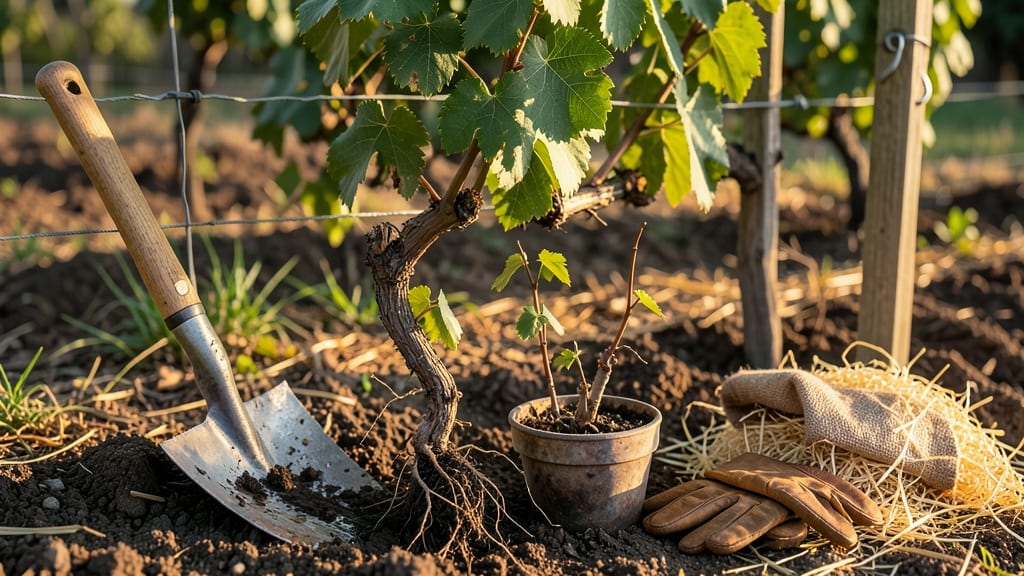
Timing your grapes in California planting could mean the difference between a lush vineyard and a lost investment—especially with the state’s wild swings from coastal fog to scorching inland valleys. The key isn’t just picking a season; it’s matching your grape variety to its chill-hour needs and your region’s microclimate.
I’ve seen firsthand how a spring planting in the Central Valley can yield bountiful harvests, while the same timing in coastal areas risks frost damage. Whether you’re growing Cabernet Sauvignon in Napa or Tempranillo in the Sierra Foothills, the right window ensures strong root growth before summer heat sets in.
In this guide, I’ll break down the best months to plant by region—from Northern California’s cooler zones to Southern California’s milder winters—plus soil prep tips tailored to your local climate. No more guessing games; just data-driven timing for your 🍇 vines to thrive.
Ready to set your grapes up for success? Let’s dive into the chill-hour matching system that’ll have your vines flourishing year after year.
California grape planting calendar by chill-hour zones
California’s grape-growing success hinges on understanding chill-hour requirements—the number of hours below 45°F (7°C) a variety needs to properly dormant and produce fruit. Coastal areas like Sonoma average 200-400 chill hours, while inland Central Valley regions can exceed 1,000 chill hours.
Matching your grape variety to your zone avoids poor bud break or fruit set failures.
For example, Cabernet Sauvignon thrives in 500-700 chill hours, making it ideal for Napa Valley or Lodi, while Tempranillo (200-400 chill hours) suits Santa Barbara’s coastal climate. Planting at the wrong time—like late spring in high-chill zones—can starve roots of dormancy, leading to winter dieback.
Here’s how to align your planting with California’s three primary chill-hour zones and their optimal dormancy windows:
| Zone | Chill Hours | Best Varieties | Planting Window | Dormancy Start |
|---|---|---|---|---|
| Coastal (Sonoma, Santa Barbara) | 200–400 | Tempranillo, Grenache, Pinot Noir | Late fall (Nov–Dec) | Early winter (Dec–Jan) |
| Inland (Central Valley, Sierra Foothills) | 500–1,000+ | Cabernet Sauvignon, Zinfandel, Syrah | Early spring (Feb–Mar) | Late fall (Oct–Nov) |
| Desert (Palm Springs, Riverside) | 0–200 | Thompson Seedless, Flame Seedless | Mid spring (Mar–Apr) | None (evergreen) |
In coastal zones, grapes enter dormancy earlier due to milder winters, so fall planting (November–December) gives roots time to establish before winter rains. In contrast, Central Valley vines need 6–8 weeks of dormancy, so early spring planting (February–March) aligns with natural bud break cycles.
For desert regions, dormancy isn’t required, but spring planting (March–April) avoids summer heat stress during root establishment. Always check soil temperature: roots struggle below 50°F (10°C) or above 85°F (29°C).
Pro tip: Bare-root grapes planted in dormant season (winter/early spring) recover faster than container-grown vines. If you’re in a high-chill zone, prioritize cold-hardy rootstocks like 1103 Paulsen or 140 Ruggeri to prevent frost heave.
Frost is the silent killer of young vines. In Northern California, a late-spring frost after bud break can wipe out 30–50% of new growth. Use frost cloth or smoke generators if planting near valley floors, where cold air pools.
To test your soil’s readiness, insert a soil thermometer 4 inches deep. Ideal planting temps range from 55°F–70°F (13°C–21°C). If your soil is too cold, wait—grapes planted in chilly conditions develop shallow roots and poor vigor.
Remember: Container grapes in Southern California can be planted year-round, but in-ground vines in cooler zones must follow the chill-hour rule. For example, Zinfandel in Lodi (700+ chill hours) planted in summer will struggle to dormant properly.
For verification, consult the UC Master Gardener Program or your local Cooperative Extension office. They offer free soil tests and microclimate data tailored to your specific block.
Best months to plant grapes in California’s top 3 regions
California’s three distinct grape-growing regions—Northern, Central, and Southern—each demand unique planting windows. Whether you’re in the cool coastal fog of Sonoma or the intense heat of the Central Valley, timing is critical.
Let’s break down the best months for each zone, including soil prep and container vs. in-ground planting tips.
For Northern California, including the North Coast and Sierra Foothills, the ideal window is late winter to early spring (February–March). This aligns with soil warming and avoids late frosts.
In Central Valley, where summers are scorching, plant early spring (March–April) to give roots time to establish before peak heat. Southern California’s milder winters allow for late winter (January–February) planting.
🌱 Soil temperature is your best guide: aim for 60–65°F at 4 inches deep. Use a soil thermometer to avoid planting too early in cold regions or too late in hot zones. In-ground planting works best in well-draining soil, while containers let you control conditions in any region.
In the Central Valley, where summers can exceed 100°F, plant March–April to give roots time to establish before heat stress. Choose heat-tolerant varieties like Zinfandel or Tempranillo, and mulch heavily to retain moisture.
Southern California’s milder winters allow for January–February planting, but avoid coastal areas prone to chill-hour deficits unless you select low-chill varieties like Muscat.
🌡️ Pro Tip: Use UC Master Gardener resources to check your local frost dates. For example, Sacramento’s last frost is typically mid-March, while Los Angeles rarely sees frost. Adjust planting dates accordingly. Container growing extends your options—plant in early spring and move pots to shaded areas during summer heat.
If you’re in Southern California, focus on low-chill varieties like Flame Seedless or Thompson Seedless. Plant in January–February, ensuring soil temps are above 55°F.
Use drip irrigation to prevent fungal issues in the warm, humid coastal areas. For inland regions like Riverside, March planting works best to avoid winter chill exposure.
🌿 Final Check: Test soil pH (ideal: 6.0–7.0) and amend with sulfur if needed. Add well-rotted compost for nutrients, and consider a trellis system to support vines early. With the right timing and prep, your grapes will thrive—no matter where you’re growing in California!