
Plants
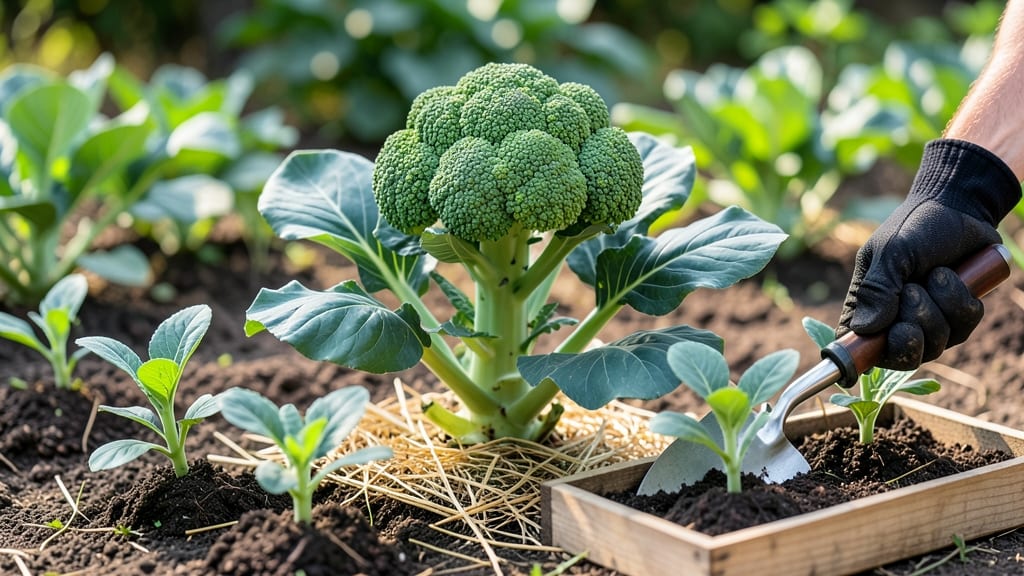
If you’ve ever struggled with when to plant broccoli in northern California—whether your seedlings bolted too soon or froze in a late frost—you’re not alone. Planting broccoli in Northern California’s 8a-9b zones isn’t one-size-fits-all; coastal fog and inland heat create wildly different sweet spots for your crop.
One wrong move, and you’ll either wait months for harvests or watch your plants wilt before they even form heads.
The key to success? Timing it right—early spring (February-March) for coastal areas where chilly nights linger, and late summer (August-September) for inland zones that bake by May. But here’s the catch: even within the same region, microclimates can shift your ideal window by 30 days.
Let me break down exactly when to plant, how to adjust for your specific zone, and which broccoli varieties thrive where you live.
You’ll learn how to read frost dates like a pro, when to start seeds indoors vs. direct-sow, and how to stretch your harvest season by 4-6 weeks using simple tricks like row covers.
Whether you’re a coastal gardener in the Bay Area or an inland grower near Sacramento, these tips will help you avoid the two biggest mistakes—planting too early and risking frost, or waiting too long and facing summer’s heat stress.
Ready to grow broccoli that’s bold, abundant, and ready at the perfect time? Let’s dive into the exact planting schedule, variety picks, and microclimate hacks that’ll turn your garden into a year-round harvest machine.
Northern California broccoli planting calendar by zone: coastal vs inland timing
Northern California’s diverse climate means your broccoli planting schedule depends heavily on whether you're near the coast or inland.
Coastal areas like San Francisco and Santa Cruz (USDA Zones 7-9) enjoy milder winters and cooler summers, while inland cities such as Sacramento and Redding (Zones 8-10) experience hotter summers and colder winters.
These differences shift ideal planting windows by up to 30 days, so let’s break it down by zone.
For coastal gardeners, the growing season stretches longer thanks to marine layer protection. You can plant broccoli as early as late January for a spring harvest, while inland gardeners should wait until mid-February to avoid frost damage.
The key is aligning your planting with soil temperatures above 40°F and frost-free dates, which vary dramatically between zones.
📅 Coastal Planting Schedule (Zones 7-9):
- January 20–February 15: Start seeds indoors or plant transplants for spring harvest
- August 1–September 15: Plant for fall/winter harvest (avoid late September to prevent bolting)
- Harvest windows: April–June (spring) and October–December (fall)
📅 Inland Planting Schedule (Zones 8-10):
- February 15–March 15: Start seeds indoors or transplant for spring harvest
- August 15–September 30: Plant for fall harvest (earlier than coastal areas)
- Harvest windows: May–July (spring) and October–November (fall)
| Factor | Coastal (Zones 7-9) | Inland (Zones 8-10) |
|---|---|---|
| Last Frost Date | January 31 | February 15 |
| First Frost Date | December 15 | November 15 |
| Spring Planting Window | January 20–February 15 | February 15–March 15 |
| Fall Planting Window | August 1–September 15 | August 15–September 30 |
| Heat Tolerance Threshold | 80°F (cooler summers) | 75°F (hotter summers) |
| Best Varieties | 'Calabrese,' 'De Cicco' | 'Packman,' 'Paragon' |
| Succession Planting | Every 2 weeks until May | Every 3 weeks until June |
If you’re planting broccoli in the Bay Area, prioritize late January starts for spring crops, as cooler coastal soils warm more slowly. Inland areas like Sacramento Valley can plant slightly later but must rush to harvest before summer heat triggers bolting.
Always check your local USDA zone and microclimate—even a 50-mile drive inland can shift your ideal planting window by weeks.
For fall planting, both zones should aim for August–September, but coastal gardeners have more flexibility due to milder nights. Inland areas may need to plant earlier to avoid September heat waves, which can stress young plants.
Use shade cloth or row covers if planting in late August to protect seedlings from unexpected heat spikes.
Pro tip: Direct-sow seeds ¼ inch deep, 18–24 inches apart, or transplant 4–6 week old seedlings for faster results. Coastal gardeners can
How to adjust planting for Northern California’s microclimates: 5 key factors
Northern California’s microclimates can feel like gardening in two different states. Coastal areas like San Francisco enjoy cooler, foggy summers, while inland zones near Sacramento bake under 100°F+ heat.
These differences mean your broccoli might thrive in one area but bolt in another. Understanding these 5 key factors will help you adjust planting times and care for success.
First, elevation changes dramatically affect soil temperature. Coastal gardens stay 10-15°F cooler than inland areas at the same latitude. This means coastal broccoli can handle January plantings, while inland gardeners should wait until February or March.
Even a 1,000-foot elevation gain can shift your last frost date by 2-3 weeks, so check local records.
Fog influence is another game-changer. Coastal fog acts like a natural row cover, protecting tender broccoli seedlings from sunburn and heat stress. Inland areas lack this buffer, so I recommend using shade cloth (30-50%) during May-June to prevent bolting. Even a 50% reduction in sunlight can extend your harvest window by 3-4 weeks in hot zones.
Inland soils warm 3-4 weeks faster than coastal soils. Test soil temperature—broccoli seeds need 40°F+ to germinate. Use a soil thermometer to time plantings precisely. Coastal gardeners can start indoors in January, while inland gardeners should wait until late February.
Urban heat islands add another layer of complexity. Cities like Sacramento can be 10°F hotter than rural areas just 10 miles away.
If you’re in an urban garden, opt for heat-tolerant varieties like 'Packman' or 'Paragon', and plant shade-tolerant companions like bush beans or lettuce nearby to reflect light and cool the soil.
Finally, succession planting is your secret weapon. By staggering plantings every 2-3 weeks from February to April (coastal) or March to May (inland), you can extend harvests by 6+ weeks.
For example, plant half your crop in early March and the rest in mid-April to ensure a steady supply before summer heat sets in.
With these adjustments, you’ll beat the heat and avoid frost damage, no matter where you garden in Northern California. Start with small test batches to fine-tune your timing before committing to a full patch.