
Plants
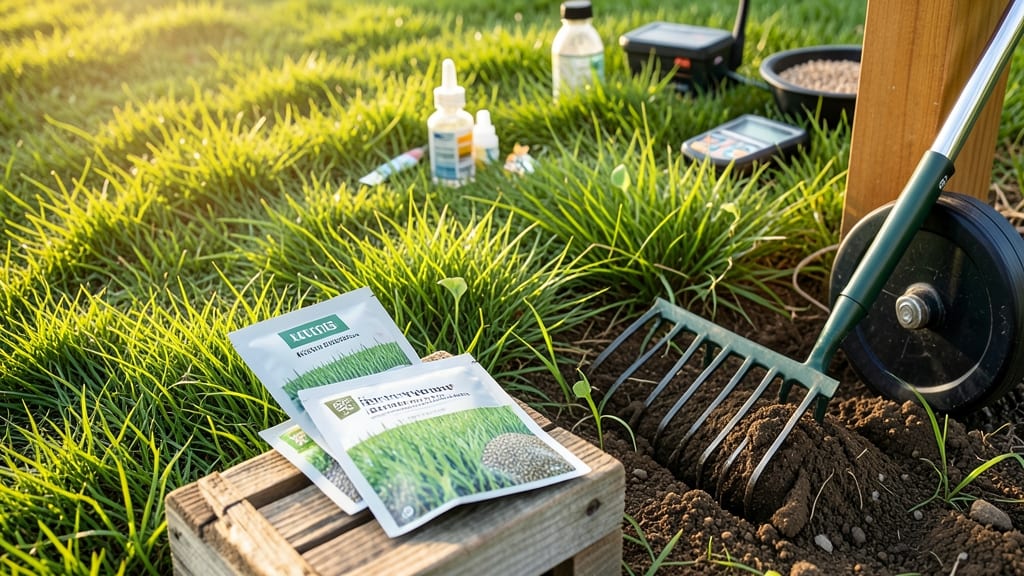
Timing your grass (🌱) planting in North Carolina could mean the difference between a lush, vibrant lawn and one that struggles through the state’s sweltering summers or harsh winters.
If you’ve ever stared at a patchy yard wondering, "Why isn’t my grass thriving?"—the answer might just be when (or when not) you planted it.
North Carolina’s climate zones—from the humid Coastal Plain to the cooler Mountains—create distinct windows for success. Most experts agree that late summer to early fall (August–September) is the gold standard, but spring planting (March–April) can also work if you nail the soil temperature and prep work.
The key? Avoiding the heat stress of mid-summer or the frost risks of late fall.
In this guide, I’ll break down the science behind North Carolina’s planting seasons, including soil temperature thresholds, regional frost dates, and how to prep your yard for deep root establishment.
Whether you’re seeding or laying sod, these insights will help you skip the guesswork and get a lawn that’s the envy of your neighborhood.
Ready to stop wasting time and money on failed plantings? Let’s dive into the best strategies for your 6a–8b zone and transform your yard into a resilient, year-round green space.
North Carolina’s ideal grass planting seasons: spring vs fall deep dive
North Carolina’s diverse climate—from the humid Coastal Plain to the cooler Mountain regions—means the best time to plant grass varies by location and grass type. Cool-season grasses like tall fescue and Kentucky bluegrass thrive when planted in early spring (March-April) or late summer to early fall (August-September).
Warm-season grasses like Bermuda and Zoysia prefer late spring (May-June) when soil temperatures stay above 65°F.
Fall planting is often the gold standard in North Carolina because cooler temperatures reduce stress on new grass, while spring planting risks drought and heat stress.
However, your USDA hardiness zone (6a-8b) plays a critical role—Mountain regions (Zone 6a) have shorter growing seasons, while Coastal areas (Zone 8b) can extend planting into October.
Soil temperature is the deciding factor. For cool-season grasses, aim for 50-65°F soil temps; for warm-season, wait until 65-75°F.
Use a soil thermometer to check—planting too early or late can stunt root growth and invite weeds. Pro tip: In Piedmont NC, late August is ideal for fall planting, while Coastal areas can push to early October.
🌱
Regional microclimates in North Carolina create unique planting windows. In the Mountains (Zone 6a), plant cool-season grass in late March to early April or mid-August to early September to avoid early frosts.
The Coastal Plain (Zone 8b) offers a longer window—April-May for spring and August-October for fall—thanks to milder winters.
Warm-season grasses like Bermuda and Centipede should never be planted before May 1 in most of NC. These grasses go dormant in winter, so planting too early leads to weak establishment. For Zoysia, wait until late May when soil temps exceed 70°F consistently.
One critical mistake I see often is planting Bermuda grass in spring before the last frost. This grass won’t germinate below 65°F, so waiting until after Memorial Day ensures success. Always check your local frost dates—the NC State Climate Office provides free frost-free day calculators for precise timing.
For best results, align your planting with NC’s rainfall patterns. Fall planting benefits from September’s frequent showers, while spring planting in March-April may require supplemental watering if drought hits. Test your soil’s moisture retention before planting—amending with compost helps retain water during dry spells.
🌿
Remember: <
North Carolina’s ideal grass planting seasons: spring vs fall deep dive
North Carolina’s diverse climate—from the humid Coastal Plain to the cooler Mountain regions—means the best planting time varies by zone. For most of the state, late summer to early fall (August–September) is the gold standard for cool-season grasses like tall fescue and Kentucky bluegrass.
This window gives seeds 6–8 weeks to establish roots before winter dormancy, while avoiding summer’s scorching heat.
Spring planting (March–April) works too, but only if soil temperatures stay above 60°F consistently. Warm-season grasses like Bermuda and Zoysia thrive when planted in late spring (May), when daytime highs exceed 70°F. The key? Matching your grass type to the season and your region’s last frost date.
Here’s how North Carolina’s three main regions compare for optimal planting:
| Region | Best Planting Window | Soil Temp Threshold | Grass Type |
|---|---|---|---|
| Coastal Plain (Zone 8a-8b) | Late Aug–Sept (Fall) or March (Spring) | 60°F+ | Tall Fescue, Bermuda |
| Piedmont (Zone 7a-7b) | Late Aug–Early Oct (Fall) or April (Spring) | 55°F+ | Kentucky Bluegrass, Zoysia |
| Mountains (Zone 6a-6b) | Sept–Early Oct (Fall) or May (Spring) | 50°F+ | Fine Fescue, Ryegrass |
🌡️ Pro Tip: Use a soil thermometer to confirm temps before planting!
Fall planting is often preferred because cooler air temperatures reduce water stress on young grass, and morning dew helps keep seeds moist. Spring planting, however, risks drought stress if rain is scarce, so mulch lightly with straw to retain moisture.
For warm-season grasses, timing is critical—planting Bermuda grass too early in spring can stunt growth, while waiting until after Memorial Day ensures the soil is warm enough for germination. Always check your local Cooperative Extension Service for frost date updates, as microclimates can shift planting windows by weeks.
Regardless of season, aim for 4–6 weeks of growth before the first frost hits. This gives roots time to penetrate 4–6 inches deep, making your lawn resilient through North Carolina’s humid summers and mild winters.