
Plants
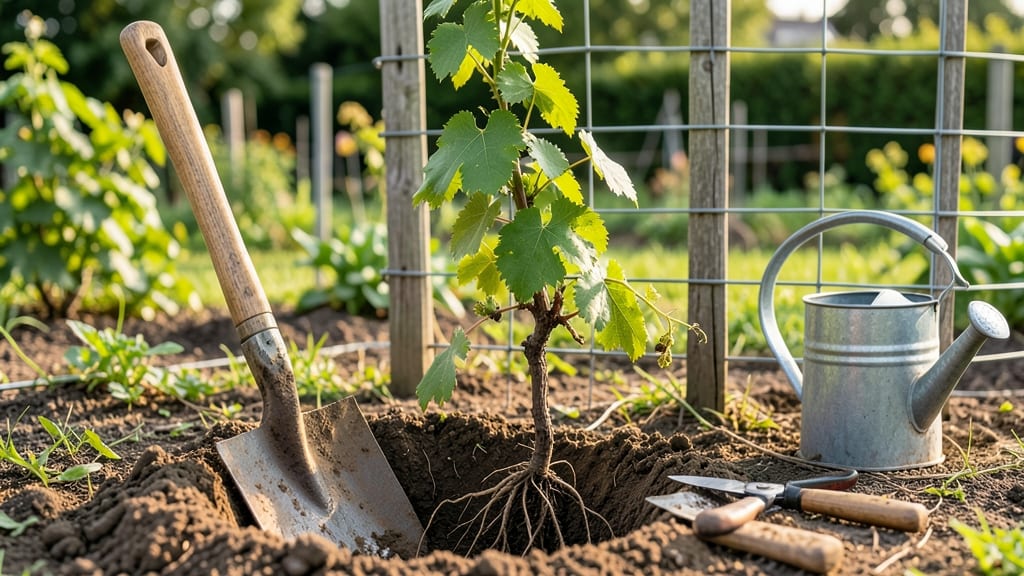
If you're dreaming of a homegrown harvest of juicy 🍇 grape vines in Georgia, timing your planting is everything—get it wrong, and you might end up with weak vines or no fruit at all.
The key to success lies in matching your grape varieties to Georgia's unique chill-hour requirements, which vary dramatically between the state's northern and southern regions.
For most Georgia gardeners in zones 7b-8b, the ideal window to plant bare-root grape vines opens in February-March, giving roots time to establish before summer heat arrives.
Container-grown vines can wait until April-May, but don't delay too long—once temperatures consistently hit the 80s, planting becomes stressful for young vines.
Why does this matter? Because grape vines need a specific amount of winter chill (measured in chill-hours) to break dormancy and produce fruit. In Georgia's warmer southern regions, varieties like Muscadine thrive with fewer chill-hours, while northern areas can handle cold-hardier types like Norton.
I'll show you exactly which varieties work best in your specific part of the state and how to prepare your soil for maximum success.
Ready to grow grapes that burst with flavor? Let's dive into the precise planting schedule, soil prep tips, and care routines tailored to Georgia's climate—so you can enjoy your first harvest from July through October without a hitch.
Georgia’s grape planting timeline by chill-hour zones
Georgia’s climate varies dramatically from the mountains in the north to the coastal plains in the south, creating distinct chill-hour zones that dictate the best time to plant grape vines.
In USDA Zones 7b-8b, chill-hour requirements range from 300 to 1,000+ hours, meaning some varieties thrive in cooler northern regions while others need Georgia’s heat. Planting at the right time ensures your vines establish roots before summer’s intense heat arrives.
For northern Georgia (e.g., Blue Ridge Mountains), where chill hours exceed 800 hours, late winter to early spring (February-March) is ideal. Southern regions (100-500 chill hours) can plant bare-root vines until April or container-grown vines as late as May.
The key is to plant while vines are dormant but before buds break, typically 4-6 weeks before last frost (around March 15 in most areas).
Here’s how Georgia’s chill-hour zones break down for grape planting:
| Chill-Hour Zone | Best Planting Window | Ideal Varieties | Soil Prep Tip |
|---|---|---|---|
| 800+ hours (North GA) | February-March | Norton, Cabernet Sauvignon | Amend clay soil with compost |
| 500-700 hours (Central GA) | March-April | Muscadine, Catawba | Test pH (6.0-6.5), add lime if needed |
| 300-500 hours (South GA) | April-May | Scuppernong, Black Spanish | Improve drainage with sand |
| 100-300 hours (Coastal GA) | May (container-grown only) | Blaufränkisch, Tannat | Use raised beds for heat tolerance |
In northern Georgia, where winters are colder, focus on chill-hardy varieties like Norton or Cabernet Sauvignon.
These vines need 800+ chill hours to set fruit properly, so planting in February gives roots time to establish before summer. Central Georgia’s milder winters suit Muscadine grapes, which thrive with 500-700 chill hours. Plant these in March to avoid early spring heat stress.
Southern Georgia’s warmer microclimates (e.g., Savannah or Brunswick) demand heat-tolerant varieties like Scuppernong or Black Spanish. These grapes need 300-500 chill hours and should be planted in April-May to align with Georgia’s longer growing season.
For coastal areas with 100-300 chill hours, stick to container-grown vines planted in May to prevent transplant shock from summer heat.
Before planting, test your soil’s pH (ideal range: 6.0-6.5).
Georgia’s clay-heavy soils in the north benefit from compost amendments, while sandy soils in the south may need organic matter to retain moisture. Mulch heavily (3-4 inches) after planting to conserve soil moisture and regulate temperature—critical in Georgia’s humid summers.
One common mistake is planting too late in spring, especially in southern Georgia. By June, temperatures often exceed 90°F, stressing young vines. If you miss the ideal window, opt for container-grown vines, which adapt better to late-season planting.
Just ensure they’re well-watered and shaded during the first 2-3 weeks to reduce transplant shock.
After planting, prune vines aggressively to encourage root growth rather than foliage. Remove all but 2-4 buds per vine and avoid fertilizing until 6-8 weeks later. This gives roots time to establish before Georgia’s summer heat peaks. In northern regions, winter protection (e.g., mulch or row covers
Best grape varieties for Georgia’s climate and when to plant them
Georgia’s diverse chill-hour zones and humid subtropical climate create perfect conditions for specific grape varieties. Choosing the right heat-tolerant or cold-hardy types ensures your vines thrive year-round. Let’s explore the top 5 varieties that excel in Georgia and their ideal planting windows.
For northern Georgia (USDA Zones 7b-8a), varieties like Norton and Chambourcin thrive with 500-800 chill hours. In central and southern Georgia (Zones 8a-9a), Muscadine and Scuppernong dominate with 300-500 chill hours. Even Cabernet Sauvignon can succeed in cooler microclimates with proper care.
🌱 Planting time varies—bare-root vines go in February-March, while container-grown vines can wait until April-May. This timing aligns with Georgia’s last frost dates (mid-March in north, early March in south) and avoids summer heat stress.
| Variety | Chill Hours | Best Planting Month | Georgia Region |
|---|---|---|---|
| Muscadine | 300-500 | March-April | Southern |
| Norton | 500-800 | February-March | Northern |
| Chambourcin | 600-900 | February-March | Northern |
| Scuppernong | 400-600 | March-April | Central/Southern |
| Cabernet Sauvignon | 800-1000+ | February-March | Northern (cooler microclimates) |
If you’re in southern Georgia, prioritize Muscadine varieties like Carlos or Scuppernong—they handle high heat and humidity beautifully. For northern Georgia, Norton (Georgia’s state grape!) and Chambourcin are excellent choices for wine production and table grapes.
Pro tip: Test your soil’s pH (ideal range: 5.5-6.5) before planting. Amend with compost or sulfur if needed, and ensure well-draining soil to prevent root rot in Georgia’s clay-heavy soils.
Once planted, mulch heavily (3-4 inches) to retain moisture and prune in late winter to encourage airflow and fruit production. With the right variety and timing, your Georgia grape vines will reward you with juicy fruit and lush growth for years to come! 🍇