
Plants
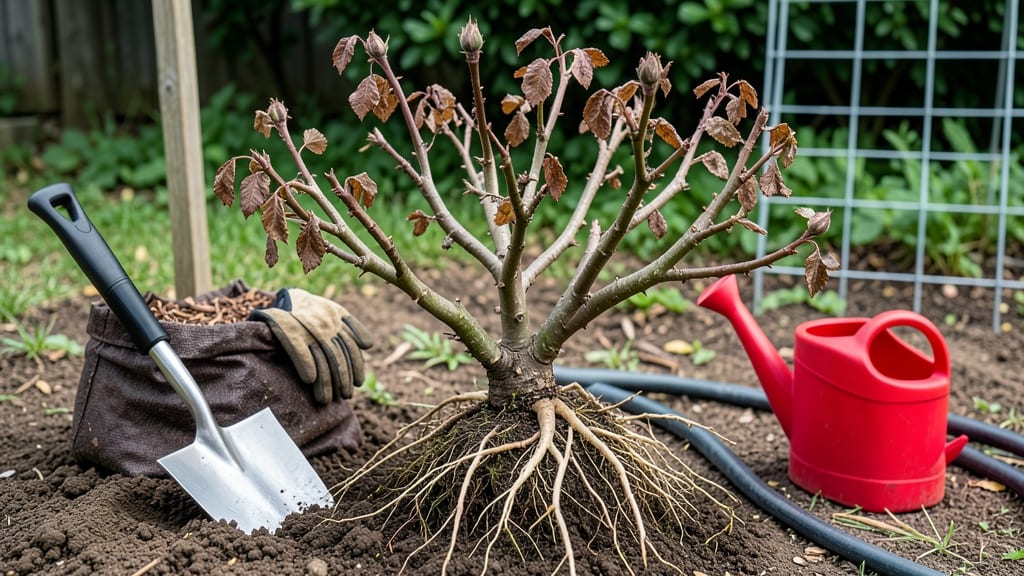
When to plant bare root roses in Zone 9 can make all the difference between thriving blooms and disappointing failures—especially when summer heat arrives faster than expected. Unlike cooler climates, Zone 9’s Mediterranean weather demands a narrow window where roots establish before temperatures spike, making late fall to early spring the most critical period for success.
Planting too early risks heat stress, while waiting too long delays root growth, leaving your roses vulnerable. I’ve seen gardeners in 9b struggle with this balance, but there’s a science to it—soil temps, rainfall patterns, and even coastal vs. inland microclimates all play a role.
Let me break down the exact months to plant, plus how to adjust for your specific conditions.
You’ll discover why November through February is ideal, how to prep your soil for Zone 9’s dry spells, and which heat-resistant varieties thrive despite the challenges.
Whether you’re a first-time planter or a seasoned gardener, these tips will help you avoid common pitfalls and give your roses the best possible start.
Ready to transform your garden? Let’s dive into the precise timing, step-by-step care, and pro secrets that’ll have your bare root roses flourishing—even in Zone 9’s toughest heat.
Best planting windows for bare root roses in Zone 9: exact months and weather conditions
Zone 9’s Mediterranean climate—with its hot, dry summers and mild winters—makes timing everything when planting bare root roses. Unlike cooler zones, you can’t rely on frost cues; instead, focus on soil temperatures and rainfall patterns to avoid transplant shock.
The ideal window spans late fall to early spring, but the exact timing depends on your microclimate (coastal vs. inland).
For most of Zone 9, the sweet spot is November through February, when daytime highs stay below 70°F and nighttime lows dip into the 50s. This mimics the roses’ natural dormancy period and gives roots time to establish before summer’s heat arrives.
Coastal areas can plant slightly later, while inland desert regions should aim for the earliest possible window.
Here’s the critical rule: Never plant bare root roses when soil temperatures exceed 65°F. At this threshold, roots struggle to absorb moisture, leading to transplant shock or even death. Use a soil thermometer to check—if it’s warmer than 65°F, wait until cooler conditions return.
🌹
| Planting Window | Soil Temp | Rainfall | Microclimate Notes |
|---|---|---|---|
| Late November - Early January | 50-60°F | Moderate | Best for inland areas; minimal frost risk. |
| December - February | 55-65°F | Low | Coastal areas can plant later; watch for coastal fog. |
| February - Early March | 60-65°F | Variable | Risky if soil warms above 65°F; prioritize shade. |
| Avoid: April - October | Above 70°F | Low | Extreme heat causes root desiccation; roses won’t establish. |
If you miss the fall/winter window, late winter (February) can work in cooler microclimates, but you’ll need to provide extra shade and increase watering frequency to protect roots. For example, in Zone 9b (like Los Angeles), February planting is viable if you use shade cloth until roots establish.
In hotter inland areas (e.g., Phoenix), February is too risky—wait for November.
Pro tip: Check the 10-day forecast before planting. Aim for a stretch with consistent cloud cover or light rain—this keeps soil moist longer, giving roots a head start. In drought-prone areas, consider planting after a rainy spell to reduce your watering burden.
One common mistake in Zone 9 is planting in late winter when soil is still cool but air temperatures are rising. This creates a temperature mismatch, where roots grow slowly but tops heat up too fast.
To avoid this, mulch heavily (3-4 inches of organic mulch) and water deeply every 3-4 days for the first month.
For coastal Zone 9 (e.g., San Diego, Santa Barbara), the window extends slightly later due to cooler ocean breezes. Here, you can plant bare root roses as late as early March, but monitor soil temps closely—coastal fog can mask heat stress.
Inland areas (e.g., Riverside, Palm Springs) should stick to November-January to avoid summer’s 100°F+ soil temps.
💧 After planting, water immediately to settle soil around roots, then maintain consistent moisture for 6-8 weeks. Use a drip irrigation system or soaker hose to deliver water directly to the root zone, reducing evaporation. In summer, reduce watering frequency but increase depth to encourage deep root growth.
Best planting windows for bare root roses in Zone 9: exact months and weather conditions
Zone 9’s Mediterranean climate—with its hot, dry summers and mild, wet winters—creates a unique challenge for planting bare root roses. Unlike cooler zones, you can’t rely on frost to signal planting time. Instead, focus on soil temperatures and moisture levels to ensure roots establish before summer stress hits.
The ideal window for planting bare root roses in Zone 9 is late fall to early spring, specifically November through February. This timing aligns with the cooler, wetter months when soil stays moist and temperatures are mild—perfect for root growth without heat shock.
Here’s the breakdown: Plant in November-December for a winter dormancy advantage, or opt for January-February to capitalize on spring rainfall. Avoid planting in summer or early fall, as heat stress and dry soil can kill young roots before they establish.
| Planting Window | Soil Temp | Moisture Needs | Key Considerations |
|---|---|---|---|
| Late Fall (Nov-Dec) | 50-60°F | Consistent moisture | Best for winter dormancy; avoid frost-prone inland areas |
| Winter (Jan-Feb) | 55-65°F | Moderate rainfall | Ideal for coastal Zone 9; spring blooms ahead |
| Early Spring (March) | 60-70°F | Deep watering | Risky if soil dries fast; prioritize shade cloth |
Zone 9’s microclimates play a huge role. Coastal areas (like San Diego or Santa Barbara) stay milder year-round, while inland spots (like Phoenix or Palm Springs) can see sudden heat spikes even in winter.
For inland gardens, January-February is safest, while coastal gardeners can extend planting into early March.
Watch for soil temperature cues: Use a soil thermometer to confirm temps stay below 65°F for at least 4 weeks post-planting. If your area hits 75°F+ before roots establish, your roses will wilt or die from heat stress.
Mulch heavily with 3-4 inches of organic mulch to insulate roots and retain moisture.
Pro tip: If you miss the ideal window, container planting is a lifesaver. Bare root roses in 15-gallon pots with moisture-retentive soil can be planted in late spring (May) with 50% shade cloth until roots establish. Just be prepared for slower initial growth compared to fall/winter plantings.