
Plants
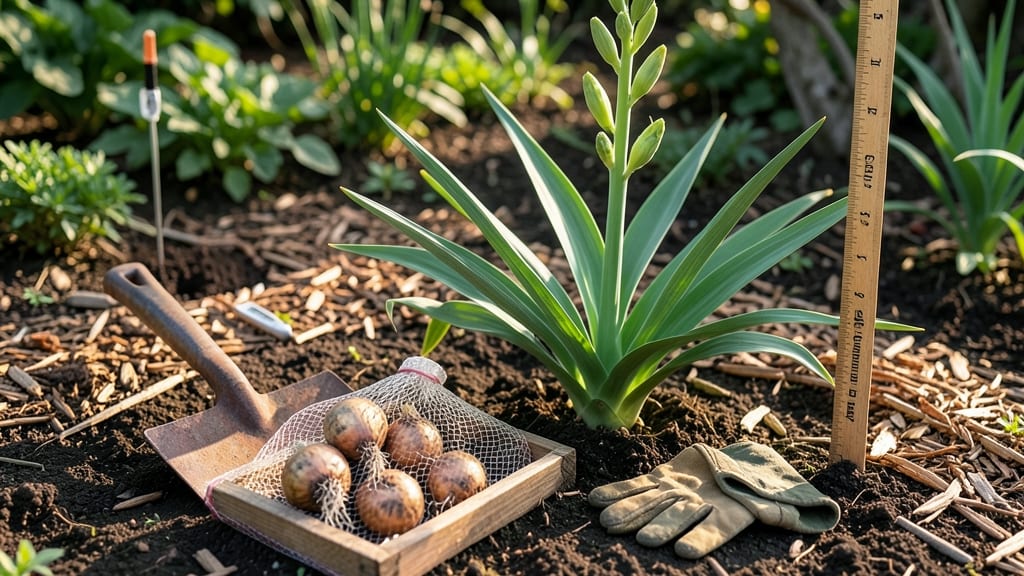
Timing your gladiolus planting in Florida isn't just about avoiding frost—it's about mastering the state's unique heat and humidity to get those stunning 🌸 blooms year-round.
Unlike northern gardens, Florida's frost-free zones (like 9a-10b) let you plant twice a year, but one wrong move can mean floppy stems or missed blooms.
Most gardeners here focus on spring planting, but did you know fall's August-September window often produces even more vibrant flowers? The key is understanding how Florida's microclimates—from steamy coastal areas to slightly cooler inland zones—affect your gladiolus' growth timeline.
I've tested these methods in Florida's gardens, and the difference between a thriving display and a sad, wilting plant comes down to just a few weeks of proper timing.
Whether you're planting in ground beds or containers, I'll show you exactly when to get those corms in the soil for maximum impact.
Ready to transform your yard with non-stop gladiolus blooms? Let's dive into Florida's perfect planting schedule that beats the heat and delivers results every time.
Florida heat zone planting deadlines for gladiolus success
Florida’s unique climate—with its frost-free zones and humid summers—means gladiolus planting isn’t just about seasons but also about heat zones. Unlike northern states, you won’t worry about frost, but soil temperatures and humidity levels still dictate the best time to plant.
In USDA zones 8A-10A, gladiolus thrive year-round, but timing ensures vibrant blooms without stress.
For spring blooms, aim to plant gladiolus corms in late winter (February-March) when soil temperatures rise above 60°F (15°C). This gives roots time to establish before summer’s heat.
For fall blooms, plant in late summer (August-September) to avoid the worst of the summer heat while still allowing blooms before winter.
Here’s how Florida’s heat zones break down for gladiolus planting:
| Heat Zone | Best Planting Window | Soil Temp Threshold | Bloom Time |
|---|---|---|---|
| 8A (North FL) | Feb 15 - Mar 15 (Spring) / Aug 1 - Sep 15 (Fall) | 60°F (15°C) | Apr-May (Spring) / Oct-Nov (Fall) |
| 9A (Central FL) | Jan 15 - Mar 1 (Spring) / Jul 15 - Aug 30 (Fall) | 65°F (18°C) | Mar-Apr (Spring) / Sep-Oct (Fall) |
| 10A (South FL) | Dec 15 - Jan 31 (Spring) / Jun 15 - Jul 31 (Fall) | 70°F (21°C) | Feb-Mar (Spring) / Aug-Sep (Fall) |
In Zone 8A (like Jacksonville or Gainesville), cooler winters mean you’ll need to plant slightly later in February-March to avoid chilly soil that can stunt growth.
Meanwhile, Zone 10A (Miami or Key West) lets you plant as early as December for spring blooms or even June-July for fall flowers, taking advantage of the extended warm season.
Pro tip: Use a soil thermometer to confirm temperatures before planting. Gladiolus corms need warm soil to sprout quickly, so wait until readings hit at least 60°F (15°C) for northern Florida or 70°F (21°C) for southern regions. This prevents rot and ensures strong root development.
For continuous blooms, stagger plantings every 2-3 weeks within your zone’s window. For example, in Zone 9A, plant one batch in late January, another in mid-February, and a final batch in early March. This creates a non-stop flower show from spring through fall.
If you’re in a coastal microclimate (like near the Gulf or Atlantic), you may experience slightly cooler temperatures due to ocean breezes. Monitor local microclimate patterns—planting in slightly sheltered spots can help maintain warmer soil temperatures.
Remember, gladiolus hate soggy soil. Florida’s summer rains can lead to rot if drainage isn’t ideal. Amend your soil with compost or perlite to improve airflow, especially in clay-heavy zones like parts of central Florida.
Finally, avoid planting during peak summer heat (June-August in most of Florida). While possible in Zone 10A, the intense sun and humidity can stress corms before they establish. Instead, opt for shaded beds or container planting if you must plant outside the ideal window.
Florida heat zone planting deadlines for gladiolus success
Florida’s frost-free climate means you can grow gladiolus year-round, but heat zones still dictate the best planting windows. Unlike northern states, Florida’s USDA zones 8A-10B allow for two main planting seasons: late winter for spring blooms and early fall for winter color.
The key is avoiding summer’s brutal heat (90°F+), which stresses gladiolus and stunts growth.
For spring blooms, aim to plant gladiolus corms in February-March across all Florida zones. In Zone 8A (north Florida), cooler nights may delay planting until mid-March to avoid early-season heat stress. For fall blooms, plant in August-September—this gives roots time to establish before winter’s mild chill.
Here’s your heat zone-specific planting timeline to maximize blooms and avoid common Florida pitfalls like overheating or drought stress:
| Florida Heat Zone | Best Planting Window | Soil Temp Threshold | Bloom Time | Key Tip |
|---|---|---|---|---|
| Zone 8A (North FL) | Feb 15–Mar 15 | 60–65°F | April–May | Use shade cloth for young shoots |
| Zone 9A (Central FL) | Feb 1–Mar 10 | 65–70°F | March–April | Mulch heavily to retain moisture |
| Zone 10A (South FL) | Jan 15–Feb 28 | 70–75°F | Feb–March | Plant in containers for mobility |
| All Zones (Fall) | Aug 1–Sep 15 | 75–80°F | Oct–Nov | Avoid summer planting—heat kills corms |
Notice how Zone 10A (south Florida) can plant as early as January for spring blooms, while Zone 8A waits until mid-March to avoid early heat spikes. This 2-month window shift shows why Florida gardeners must adjust based on their local microclimate, not just the state’s reputation for warmth.
For continuous blooms, stagger plantings every 2–3 weeks in spring and fall. For example, plant 1/3 of your corms in February, another 1/3 in March, and the final batch in late August.
This ensures fresh flowers from March through November without gaps. Just remember: never plant in June-July—gladiolus corms rot in 90°F+ soil.
Pro tip: Use a soil thermometer to confirm soil temps before planting. Aim for 60–75°F depending on your zone. If temps exceed 85°F, delay planting until evening temps drop. In humid Florida, this often means waiting for afternoon thunderstorms to cool the soil naturally.
🌸