
Plants
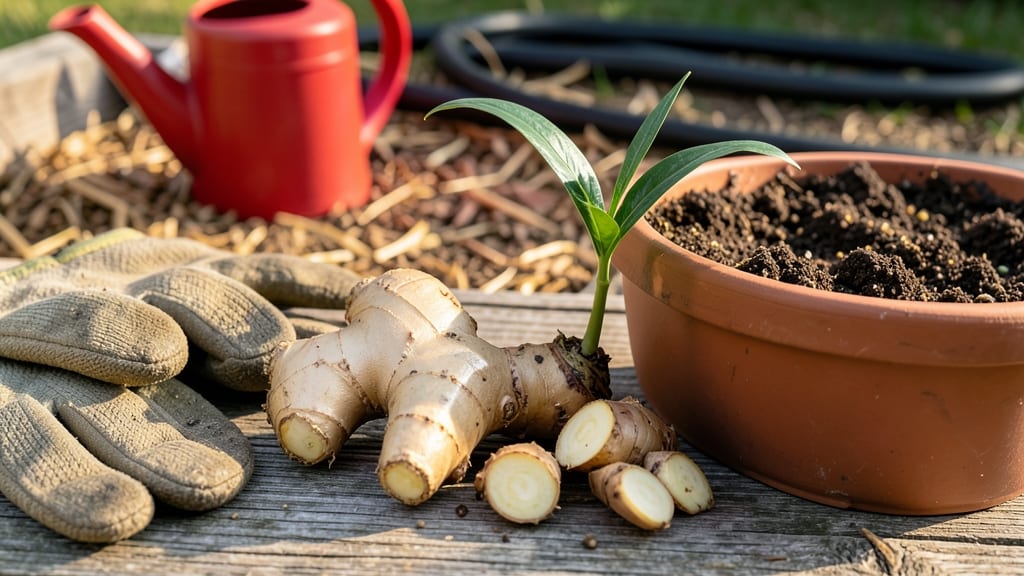
Timing your ginger planting in North Carolina isn’t just about the calendar—it’s about soil temperature and frost-free windows. Plant too early, and a late frost could wipe out your 🌿 ginger before it even sprouts. Too late, and you’ll miss the sweet spot for rhizome development before winter sets in.
North Carolina’s 7a-8b zones offer two prime planting windows: spring (March–April) and fall (September–October). But here’s the catch—soil needs to be warm enough (60–70°F) to encourage growth, not just frost-free.
If you’re in the Piedmont, you might have a few extra weeks compared to coastal areas where humidity keeps things cooler.
I’ve grown ginger in NC for years, and I’ll show you how to nail the timing—whether you’re prepping garden beds or using containers for cooler microclimates. We’ll cover soil prep, mulching tricks, and how to adjust for your exact location to avoid common mistakes.
Ready to grow plump, harvest-ready ginger? Let’s dive into the exact steps to plant at the perfect moment—no guesswork, just results. Your fall harvest starts with the right timing now.
Best planting months for ginger in North Carolina based on soil temperature
Ginger thrives in warm soil with temperatures between 60–70°F. In North Carolina, this means planting after the last frost date—typically mid-March to April for spring or September to October for fall. The key is avoiding frost while ensuring soil warmth triggers rhizome growth.
North Carolina’s USDA Zones 7b–8a create microclimates where coastal areas warm earlier than the Piedmont or Mountains. For example, Wilmington (Zone 8a) can plant ginger as early as February, while Asheville (Zone 7b) should wait until late March.
Use a soil thermometer to confirm readiness. Ginger rhizomes need consistent warmth to sprout—plant only when soil stays above 60°F for 5+ days. Cold soil delays growth or causes rot.
| Region | Last Frost Date | Ideal Planting Window | Soil Temp Trigger |
|---|---|---|---|
| Coastal NC (Zone 8a) | Mid-February | February–March (spring) or September (fall) | 60°F+ for 7 days |
| Piedmont NC (Zone 7b) | Mid-March | March–April (spring) or October (fall) | 65°F+ for 5 days |
| Mountains NC (Zone 7a) | Late March | April (spring) or September (fall) | 70°F+ for 5 days |
Fall planting offers a shorter growing season but avoids summer heat stress. Aim to plant 8–10 weeks before first frost (typically mid-October in most of NC) to allow rhizomes to mature before cold sets in.
For container growing, warm soil faster by placing pots in south-facing spots or using black plastic mulch. Containers also let you move ginger indoors if frost threatens early.
Check your local NC State Extension frost maps for precise dates. Coastal areas like Morehead City may have 240 frost-free days, while the Blue Ridge Mountains average only 180 days—adjust planting accordingly.
Pro tip: Pre-warm soil in containers or raised beds by covering with clear plastic for 1–2 weeks before planting. This mimics tropical conditions ginger loves.
If you miss the ideal window, don’t panic—ginger can tolerate cool soil but grows slower. Just monitor for sprout emergence and protect from frost with row covers if needed.
Always plant rhizome pieces (not seeds) with buds facing up, 2–4 inches deep. This ensures faster establishment in NC’s variable climate.
How to extend ginger’s growing season in NC’s short frost-free period
North Carolina’s 200–240 frost-free days leave little room for error when growing ginger. If you miss the March–April or September–October windows, your rhizomes may not mature before cold snaps strike. The key? Extending the season with smart strategies that protect your plants without sacrificing growth.
I’ve used these methods in my Zone 7b garden to push ginger’s limits—from mulching to row covers and even container gardening for cooler microclimates. Each technique buys you critical weeks to develop plump rhizomes before harvest.
Let’s break down the most effective approaches, tailored to NC’s Piedmont, Coastal, and Mountain regions.
🌱
Apply 4–6 inches of organic mulch (straw, shredded leaves) after planting. This insulates soil, keeping roots 10–15°F warmer and delaying frost damage by 2–3 weeks. Replenish mulch in October to protect fall plantings.
Lightweight frost blankets (30–50°F protection) let sunlight through while shielding ginger from 28°F+ frosts. Secure covers with bricks or stakes to avoid crushing plants. Remove during the day in spring to prevent overheating.
South-facing slopes, black plastic mulch, or greenhouse beds can add 5–10°F to soil temps. In the Mountains (Zone 7a), opt for containers—they warm faster than ground soil and can be moved indoors if frost threatens.
Use 10–12" deep pots with well-draining mix. Containers warm 2–3 weeks earlier than garden beds and can be rolled into a garage or sunroom before November 15. Ideal for Coastal NC’s shorter frost-free season.
Use the USDA Plant Hardiness Map (or local Cooperative Extension data) to find your average last frost. Add 2–3 weeks for safety—this gives you your final planting deadline. For example, Raleigh (Zone 7b) averages March 20; plant by March 5 for buffer.
Ginger’s rhizomes mature in 10–12 months. In NC, this means fall-planted ginger is ready by November. Dig up rhizomes 2 weeks before frost to cure indoors. If left in ground, cold temps turn starches to sugar, ruining flavor.
Pro tip: Pair mulching with drip irrigation to maintain even soil moisture. Dry soil conducts cold faster—keep ginger’s roots hydrated to delay frost damage. In my Piedmont garden, this combo extends the season by 4–6 weeks compared to unprotected plantings.
For Mountain gardeners (Zone 7a), combine containers with a mini greenhouse (even a clear plastic bin with a light bulb inside) to push limits. Coastal growers, meanwhile, can lean on humidity-loving mulches like pine straw to regulate temps in NC’s muggy summers.
✂️