
Plants
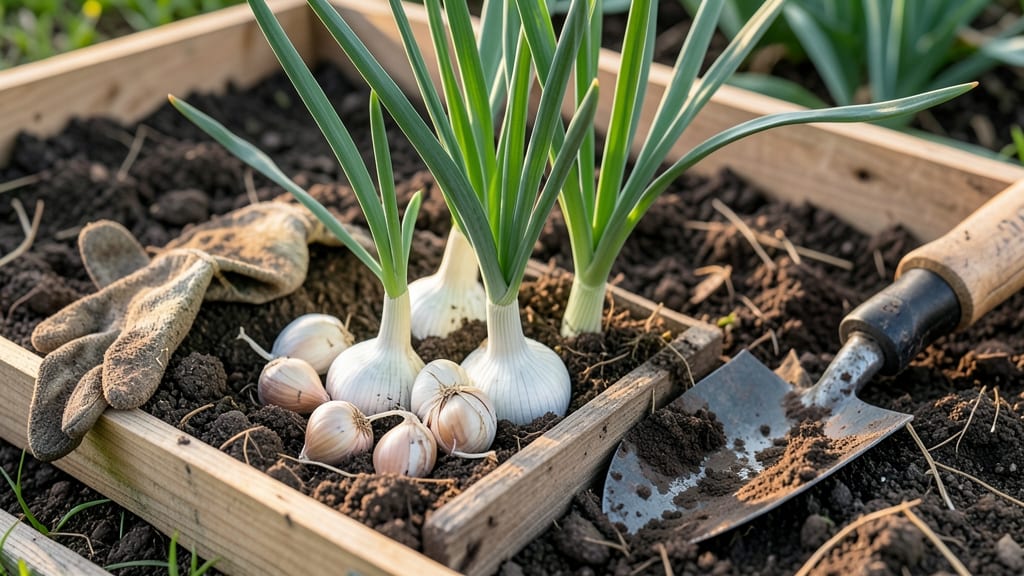
Knowing when to plant garlic in Zone 8a can mean the difference between robust, flavorful bulbs and disappointing harvests.
Unlike colder climates where spring planting works, Zone 8a's mild winters demand a precise fall window—typically between October and November—to ensure your 🧄 thrives through winter's chill and emerges strong in spring.
Here's the catch: Plant too early, and your garlic might bolt before winter sets in; too late, and frost could damage tender shoots. The key lies in understanding your local microclimate and adjusting timing accordingly.
For most gardeners in Zone 8a, this means getting cloves into the ground 4-6 weeks before the first hard frost, usually around mid-October.
But timing isn't the only factor—soil prep and mulching play equally critical roles in protecting your garlic from Zone 8a's unpredictable winter conditions.
I'll walk you through the exact steps to maximize bulb size and flavor, from selecting the right variety to post-planting care that keeps your crop on track for a June-July harvest the following year.
Whether you're a seasoned gardener or just starting with garlic, these insights will help you avoid common pitfalls and grow the best-tasting, largest bulbs your Zone 8a garden can produce. Let's get those cloves in the ground at the perfect moment!
Optimal fall planting window for Zone 8a garlic
In Zone 8a, where winters are mild but still chilly, timing your garlic planting is critical for large, flavorful bulbs. Unlike colder zones, you have a slightly extended window—but missing it by even a few weeks can mean smaller harvests or frozen cloves.
The ideal planting window is between mid-October and mid-November, giving your garlic enough time to establish roots before winter sets in.
Hardneck varieties, like ‘Music’ or ‘German White’, thrive in Zone 8a’s cooler winters and often produce larger bulbs with scapes. Softneck varieties, such as ‘Silverskin’, are more forgiving but still benefit from fall planting. Both types need 4-6 weeks of root development before the ground freezes solid.
Your last frost date in Zone 8a is typically around January 15, but temperatures can still dip below freezing. Planting too late—after early December—risks exposing young garlic to frost, which can stunt growth. Conversely, planting in September gives too much time for early sprouting, leading to weak bulbs.
Microclimates matter! If you live in a cooler microclimate (e.g., near hills or bodies of water), aim for the earlier end of the window (mid-October). Warmer microclimates (e.g., urban heat islands) can delay planting until late October or early November.
| Variety | Zone 8a Planting Window | Key Notes |
|---|---|---|
| Hardneck (e.g., 'Music', 'German White') | Mid-October to early November | Prefers cooler winters; scapes emerge in spring |
| Softneck (e.g., 'Silverskin', 'Artichoke') | Late October to mid-November | More flexible; stores longer after harvest |
| Elephant Garlic (e.g., 'Inchelium Red') | Early October to late October | Giant bulbs; plant earliest for best size |
🌱 Pro Tip: Use your local almanac’s frost dates to fine-tune your window.
If you miss the fall window, don’t despair! Zone 8a’s mild winters allow for a secondary planting in early February. This method mimics fall planting by giving garlic a 6-8 week growing season before summer heat arrives. However, bulbs from spring planting will be smaller and less flavorful.
To check if your timing is right, dig up a test clove 4-6 weeks after planting. If roots are 1-2 inches long and the clove feels firm, you’re on track. If roots are sparse, replant immediately or wait for spring.
Garlic planted in Zone 8a typically matures by June or July of the following year. The longer the cold period (even mild winters help), the larger the bulb. Avoid planting in late winter—garlic hates heat stress and may bolt prematurely.
For maximum bulb size, pair your planting date with proper soil prep (we’ll cover that in the next section!). Focus on well-draining soil and organic matter to give your garlic the best start. The right timing + soil = garlic gold!
Optimal fall planting window for Zone 8a garlic
In Zone 8a, where winters are mild but still bring frost, timing your garlic planting is critical. The ideal window spans October through November, with most gardeners aiming for mid-October.
This ensures garlic gets enough cold exposure to form bulbs but avoids early planting risks like bolting or late frosts damaging tender shoots.
For hardneck varieties, which thrive in colder climates, plant by early November. Softneck varieties, more tolerant of warmth, can go in until mid-November. Check your local frost dates—most Zone 8a areas experience their first hard frost around December 15th, so planting 4-6 weeks before this is key.
Adjust for microclimates: Coastal areas may plant later, while inland spots should plant earlier. For example, if your area has early frosts, shift planting to September. Always test soil temperature—garlic prefers 40-50°F for root establishment.
| Variety | Planting Window | Cold Requirement | Zone 8a Adjustment |
|---|---|---|---|
| Hardneck (e.g., Rocambole, Purple Stripe) | October 1-15 | 40-50°F for 6-8 weeks | Plant early; avoid late frosts |
| Softneck (e.g., Artichoke, Silverskin) | October 15-November 15 | 30-40°F for 4-6 weeks | Later window; tolerates warmth |
| Elephant Garlic (e.g., Inchelium Red) | October 15-November 10 | 35-45°F for 5-7 weeks | Mid-range; adapt to local frost |
If you miss the fall window, consider early spring planting in February, but expect smaller bulbs. Spring-planted garlic lacks winter's cold vernalization, which is crucial for bulb development. Always use organic, disease-free cloves from last year's harvest or a reputable supplier.
Mark your calendar for October 15th—this is the sweet spot for most Zone 8a gardeners. Combine this with proper soil prep (loamy, well-draining, and amended with compost and sulfur), and you're set for a bountiful harvest next June.