
Companion Plants
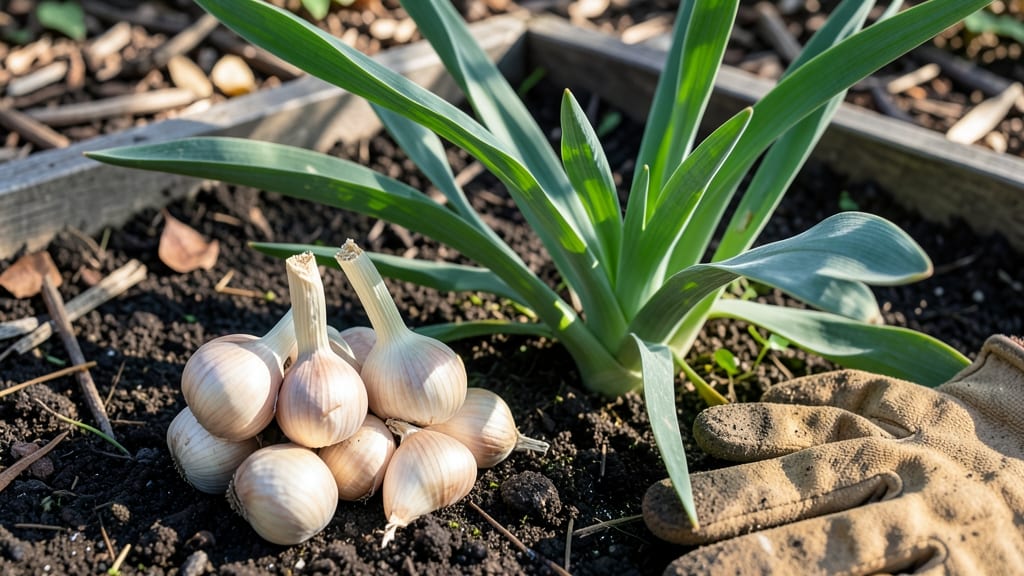
If you're growing garlic 🧄 in Zone 7, timing your planting could mean the difference between puny bulbs and kitchen-filling harvests.
The secret to bigger, more flavorful cloves starts with understanding exactly when to tuck those cloves into the soil—because planting too early or too late throws off the entire growing cycle.
Most gardeners in Zone 7 know fall planting is critical, but what they don’t always realize is that a 4-6 week window before the ground freezes makes all the difference.
Get this right, and you’ll set your garlic up for a strong root system over winter, leading to those plump, papery-skinned bulbs by next summer.
I’ve seen firsthand how a few weeks’ difference in timing can shrink harvests by half—and I’m here to help you avoid that mistake.
Whether you’re a first-time garlic grower or a seasoned gardener looking to refine your technique, this guide breaks down the exact dates, soil prep, and pro tips to maximize your yield.
Let’s dive into the precise planting schedule, soil secrets, and common pitfalls that could be sabotaging your garlic—so you can enjoy a harvest that rivals the farmers' market next June.
Optimal fall planting window for Zone 7 garlic (with exact dates)
Timing is everything when planting garlic in Zone 7, and fall offers the best chance for large, flavorful bulbs. The ideal window is 4-6 weeks before the ground freezes, typically between mid-October and early November. This gives cloves time to establish roots before winter dormancy.
Zone 7’s first frost date usually falls around November 1, so aim to plant by October 15-20 for hardneck varieties (like Rocky Mountain or German White) or November 1-10 for softneck varieties (like Silverskin).
Soil temperature matters too—plant when it’s below 60°F but above freezing. Use a soil thermometer to check; cooler temps (50-55°F) help prevent early sprouting, which weakens cloves.
Moon phases also play a role. Planting during the waning moon (after the full moon) encourages root growth, while the waxing moon promotes foliage. Check a gardening moon calendar for your exact dates.
Pro tip: If your Zone 7 area has microclimates (like urban heat islands or sheltered valleys), adjust by 1-2 weeks. Observe nearby gardens or ask local farmers for their frost date history.
For late planners, early spring planting (February-March) is possible but yields smaller bulbs. Fall-planted garlic has 6-8 weeks of growth before winter, giving it a head start.
Zone 7 Garlic Planting Summary
| Variety | Ideal Planting Window | Soil Temp | Moon Phase |
|---|---|---|---|
| Hardneck (e.g., Rocky Mountain) | Mid-October - October 20 | 50-55°F | Waning moon |
| Softneck (e.g., Silverskin) | November 1-10 | 45-50°F | Waning moon |
| Spring Planting (Backup) | February 15 - March 15 | 50-60°F | Waxing moon |
🌱 Note: Hardneck varieties produce scape stalks (harvest for cooking) and larger cloves, while softneck stores longer but yields smaller bulbs.
If you’re unsure about your exact frost date, use the USDA Plant Hardiness Zone Map and check local weather records. For example, Raleigh, NC (Zone 7b) typically plants by October 15, while Lexington, KY (Zone 7a) can wait until November 1.
Once planted, mulch heavily (4-6 inches) with straw or leaves to insulate cloves through winter. This protects them from freeze-thaw cycles that can damage roots.
Remember: Garlic planted in fall breaks dormancy in spring, giving it 6-8 weeks of active growth before harvest. Spring-planted garlic only gets 4-5 weeks, resulting in 30-50% smaller bulbs.
Optimal fall planting window for Zone 7 garlic (with exact dates)
In Zone 7, the ideal time to plant garlic is during a 4-6 week window before the ground freezes. For most of Zone 7, this means aiming for mid-October to late November.
The exact date depends on your specific microclimate—cooler inland areas may need earlier planting, while milder coastal regions can wait until late November.
Garlic thrives when it establishes roots before winter dormancy. If planted too early, cloves may sprout and get damaged by frost. If planted too late, they won’t develop strong roots before the ground freezes, leading to smaller bulbs the following summer.
The goal is to give your garlic 6-8 weeks of root growth before winter sets in.
🌱 Pro Tip: Check your local first frost date (typically around November 1 in Zone 7) and plant 4-6 weeks before that date. For example, if your first frost is November 10, aim to plant by October 10-15.
| Zone 7 Planting Window | Key Considerations |
|---|---|
| Mid-October to Late November | Soil temp: 40-50°F (4-10°C) |
| Hardneck Varieties | Plant by October 15 for best scape production |
| Softneck Varieties | Can tolerate later planting (up to November 20) |
| Soil Temperature | Avoid planting when soil is below 40°F (4°C) |
Another factor to consider is the moon phase. While not scientifically proven, many gardeners swear by planting garlic during the waning moon (when the moon is decreasing in size) for stronger roots. The waning crescent and third quarter phases are ideal for planting below-ground crops like garlic.
If you miss the fall window, don’t worry—Zone 7 gardeners can also plant garlic in early spring, typically between February and early March. Spring-planted garlic won’t be as large as fall-planted, but it’s a great backup option.
Just be sure to plant by March 15 to avoid summer heat stress.
🌿 Remember: The key to success is soil temperature, not air temperature. Use a soil thermometer to confirm the ground is between 40-50°F (4-10°C) before planting. If the soil is colder, wait a few days—your garlic will thank you with bigger bulbs next summer!