
Plants
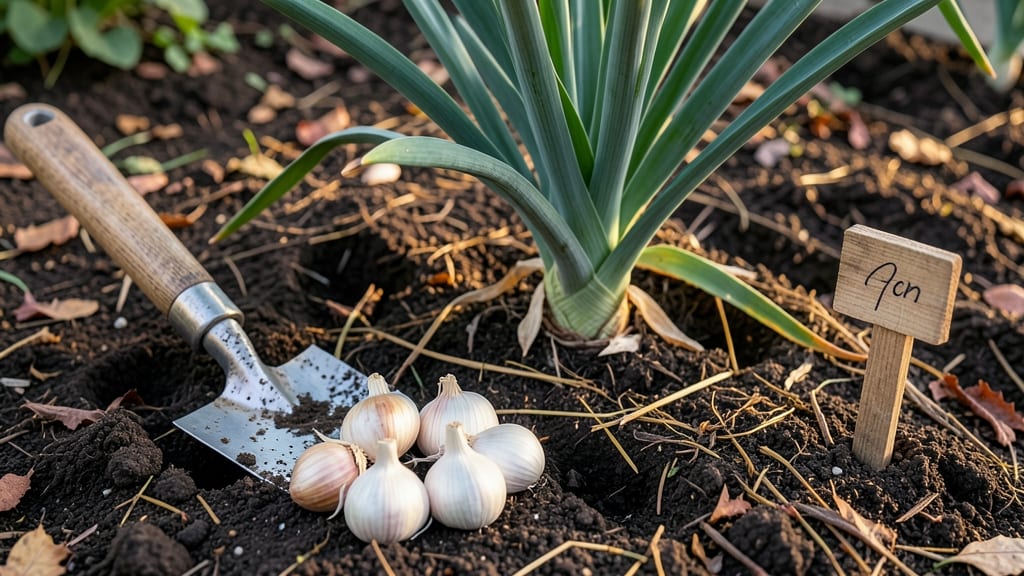
Knowing when to plant garlic in Zone 4b isn’t just about timing—it’s about unlocking a harvest that’ll make your kitchen (and neighbors) jealous. In this cold climate, fall planting between late September and early October gives your 🧄 the perfect head start, while spring tries often fall flat.
The difference? A robust crop of hardneck garlic versus disappointment.
Let’s cut through the confusion. Zone 4b’s short growing season demands precision—planting too early risks rot, too late and your garlic won’t establish roots before winter. I’ll walk you through the exact window, soil prep secrets, and how to adjust if your fall plans get delayed.
Spoiler: hardneck varieties thrive here, but softneck? Not so much.
You’ll also discover how to tell if your soil is ready, the ideal depth for cloves, and why mulching isn’t optional. Whether you’re a first-timer or a seasoned gardener, these Zone 4b-specific tips will ensure your garlic survives the freeze and rewards you with plump bulbs next summer.
Ready to grow garlic that’ll outshine store-bought? Let’s get your cloves in the ground at the perfect moment—because in Zone 4b, timing isn’t just important. It’s everything.
Optimal fall planting dates for Zone 4B garlic success
Zone 4B gardeners know that garlic thrives in cold climates, but getting the planting timing right is critical. Unlike warmer zones, fall planting is non-negotiable for hardneck varieties—they need cold stratification to form bulbs.
The ideal window spans from late September to early October, giving roots time to establish before winter sets in.
Think of it this way: you’re racing against Zone 4B’s average first frost (mid-November). Plant too early, and cloves may rot; too late, and they won’t root before freezing. The 6-8 week rule before ground freeze is your golden guideline—aim for soil temps between 40°F and 50°F for best results.
Here’s the kicker: hardneck garlic (like 'German White' or 'Music') absolutely dominates in Zone 4B, while softneck varieties struggle with winter survival. Your goal? Plant when daytime temps hover around 60°F and nights dip below freezing—this balance triggers root growth without stressing the cloves.
Pro tip: Check your local last frost date (usually late April in Zone 4B) and count backward. If you’re unsure, use the lunar calendar for planting on a waxing moon—it’s said to boost root development. Just don’t rely on it alone; soil conditions matter more!
| Planting Factor | Zone 4B Specification | Why It Matters |
|---|---|---|
| Ideal Planting Window | Late September–Early October | 6–8 weeks before ground freeze |
| Soil Temperature | 40°F–50°F | Encourages root growth without rotting cloves |
| Daytime Temp | 60°F (max) | Prevents premature sprouting |
| Variety Recommendation | Hardneck (e.g., 'German White') | Cold-hardy, forms scapes |
| Lunar Planting Tip | Waxing moon phase | Boosts root development |
Now, let’s talk soil prep. Zone 4B’s clay-heavy or sandy soils need amending with compost or aged manure to improve drainage and fertility. Aim for well-draining soil with pH 6.0–7.0—garlic hates soggy roots.
Work in a 2-inch layer of compost before planting, and consider adding a slow-release fertilizer like bone meal for phosphorus.
Here’s a Zone 4B-specific hack: if your soil stays cold longer, try planting in raised beds. They warm up faster in spring and drain better, giving your garlic a head start. Just avoid planting in areas where water pools—garlic’s roots need oxygen, not mud!
Finally, don’t overlook mulching. After planting, cover beds with 4–6 inches of straw or leaves to insulate cloves during winter. This protects them from freeze-thaw cycles and keeps soil temps stable. Remove mulch in early spring once shoots emerge to prevent rot.
Timing isn’t just about dates—it’s about reading your Zone 4B climate. Watch for first frost warnings and adjust if needed. With the right prep, your garlic will reward you with plump bulbs by mid-July—worth the effort! 🧄
Optimal fall planting dates for Zone 4B garlic success
Zone 4B's short growing season demands precise timing for garlic—plant too early, and cloves rot; too late, and bulbs won't mature. The ideal window is late September to early October, when soil temperatures drop below 70°F but before hard frost (mid-November in most of Zone 4B).
This 6-8 week buffer lets roots establish before winter dormancy.
For hardneck varieties (like Rocambole or Purple Stripe), this timing ensures scape production in spring, while softnecks (Artichoke) can tolerate slightly later planting but yield smaller bulbs. Use a soil thermometer to confirm 60-65°F soil temps—cool enough for root growth but warm enough to prevent freezing.
Lunar planting enthusiasts should aim for the waxing moon in September/October, as this phase aligns with root development. However, practicality wins: if you miss the window, adjust by adding mulch (4-6 inches of straw) to protect cloves from freeze-thaw cycles.
| Stage | Zone 4B Timeline | Key Action |
|---|---|---|
| Pre-Planting | Late August | Test soil pH (6.0-7.0 ideal); amend with compost. |
| Planting Window | Late Sept-Early Oct | Plant cloves 4" deep, 6" apart; mulch immediately. |
| Winter Dormancy | Nov-Mar | Add 6" straw mulch; avoid disturbing soil. |
| Spring Growth | April-June | Remove mulch; fertilize lightly in March. |
| Harvest Ready | Mid-July | Harvest when lower leaves brown; cure in shade. |
Missed the fall window? Don't panic—spring planting (March-April) is possible but yields smaller bulbs. Plant cloves shallow (2-3") and use row covers to extend the season. For hardnecks, prioritize fall planting; softnecks are more forgiving with spring starts.
Pro tip: Mark your calendar for 6-8 weeks before your last frost date (typically mid-November in Zone 4B). Use a garlic planting guide from local nurseries—they often adjust dates based on microclimates within the zone.
Remember, garlic needs cold stratification to form bulbs. Planting too early (e.g., August) risks premature sprouting and rot, while late planting (November) may not give roots enough time to establish before winter. Balance is key!