
Plants
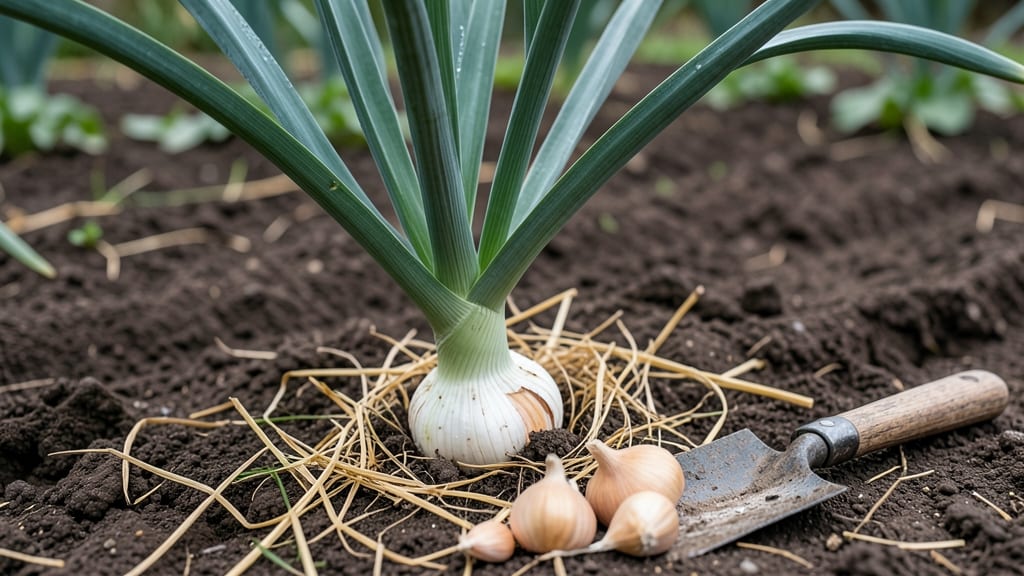
If you're wondering "when do you plant garlic in Georgia", timing is the secret to plump, flavorful bulbs that thrive through winter. The 4-6 week window before your first frost—typically late October to mid-November—gives garlic roots time to establish before Georgia's chilly nights set in.
Planting too early risks rot in warm soil, while waiting too long means weak growth before dormancy. I've learned the hard way that USDA Zone 7b-8a gardeners need to act fast—once temperatures dip below 50°F, it's time to get those cloves in the ground.
This guide will walk you through the exact planting schedule for your region, plus soil prep tips to ensure your 🧄 garlic gets off to the strongest start. Whether you're a first-time grower or a seasoned gardener, these insights will help you avoid common mistakes that shrink harvests.
Ready to grow garlic that's bigger, harder, and more flavorful than store-bought? Let's dive into the perfect fall planting strategy for Georgia's climate.
Optimal Georgia garlic planting dates by region and frost timing
Georgia’s fall garlic planting window is short but critical—plant too early, and cloves rot; too late, and bulbs won’t mature. The ideal window spans October through November, but exact timing depends on your USDA zone (7b-8a) and historical frost dates.
North Georgia’s earlier frosts (mid-November) demand earlier planting, while South Georgia’s later frosts (late November) allow flexibility until December.
For North Georgia (Athens, Blue Ridge), aim to plant by October 15th to ensure roots establish before ground freezes. In Central Georgia (Macon, Columbus), you’ve got until November 1st, while South Georgia (Savannah, Valdosta) gardeners can push planting to November 15th.
These dates align with Georgia’s average first frost dates, but always check your local historical frost data—a late freeze can ruin unprotected garlic.
Here’s how to adjust your planting timeline based on your region:
| Region | USDA Zone | Planting Window | Key Deadline | Soil Temp Goal |
|---|---|---|---|---|
| North Georgia (Athens, Blue Ridge) | 7b | October 1–15 | Before October 31 | 50–60°F |
| Central Georgia (Macon, Columbus) | 7b-8a | October 15–November 1 | Before November 15 | 55–65°F |
| South Georgia (Savannah, Valdosta) | 8a | November 1–15 | Before November 30 | 60–70°F |
⚠️ Pro Tip: Use a soil thermometer to confirm temps—garlic roots need 40–50°F soil to thrive.
Miss the fall window? Georgia’s mild winters sometimes allow late fall planting (December), but bulbs will be smaller and less hardy. Spring planting is risky—garlic needs 120+ days of cold to form bulbs, and Georgia’s summers are too hot.
If you’re late, opt for softneck varieties, which tolerate warmer soils slightly better than hardnecks.
Another critical factor is daylight hours. Garlic planted in late November or December may experience shorter days, slowing root growth. Aim for 6–8 weeks before your area’s first frost to balance root establishment and daylight exposure.
For example, if frost hits November 20th, plant by October 1st.
Georgia’s clay-heavy soils can delay planting if they’re too wet. Wait until soil is cool but workable (60°F or below)—stick your finger in: if it feels damp but not soggy, it’s ready.
Amend beds with compost or sand if drainage is poor, as waterlogged soil leads to rot and mold.
Don’t overlook microclimates. Gardens near lakes or hills may frost earlier than urban areas. Monitor local weather forecasts and use row covers if late freezes threaten. A 30°F night can damage young garlic, so plan ahead to protect tender shoots.
For hardneck varieties (like ‘Music’ or ‘Silverskin’), prioritize early planting—they need cold vernalization to produce scapes and large bulbs. Softneck varieties (like ‘Artichoke’) are more forgiving but still benefit from fall planting for optimal size.
Remember: Garlic planted in Georgia’s fall will harvest the following April–May, giving you a year-round supply of homegrown bulbs. Start now, and you’ll avoid the rush of spring planting—where poor timing often leads to disappointment.
Signs your Georgia garlic is ready to plant (and what happens if you wait too long)
Knowing when your garlic cloves are truly ready to plant in Georgia’s fall climate can mean the difference between a thriving crop and wasted effort. The key is watching for soil temperature drops and daylight changes—both critical signals that your garden is ready for planting.
For Georgia gardeners, the ideal planting window aligns with soil temperatures between 40°F and 50°F. This typically occurs when average daily temperatures hover around 60°F, signaling that warm soil conditions—perfect for rot—are fading. Use a soil thermometer to confirm readiness before committing to planting.
Another telltale sign is the lengthening nights of late fall. As daylight shortens to 10-12 hours per day, garlic’s natural growth cycle triggers, preparing it for dormancy.
If you plant too early when days are still long, your cloves may sprout too quickly, leading to weak roots before winter sets in.
🔍 Did You Know? Garlic planted in Georgia’s Zone 7b-8a needs 4-6 weeks of cool weather before the ground freezes. This ensures roots establish before dormancy, but waiting too long risks shallow growth and smaller bulbs.
If you wait until after the first frost, your garlic may struggle to develop strong roots. Late planting often results in smaller bulbs or even failure to mature. In Georgia, this usually means missing the window between mid-October and early November.
Conversely, planting too early—when soil temperatures are still above 60°F—can cause premature sprouting and rot. The cloves need cool but not freezing conditions to initiate root growth. Aim for a 4-6 week buffer before your area’s first hard frost date.
To test readiness, dig a small hole and check the soil. If it feels cool but workable (not frozen or soggy), it’s time to plant.
In Georgia, this usually aligns with late October for North Georgia and early November for South Georgia, but always verify with your local frost data.
If you miss the window, don’t despair—some gardeners successfully plant garlic in early winter, but expect smaller yields. The key is acting before the ground freezes solid, ensuring your 🧄 garlic has time to root before dormancy sets in.