
Plants
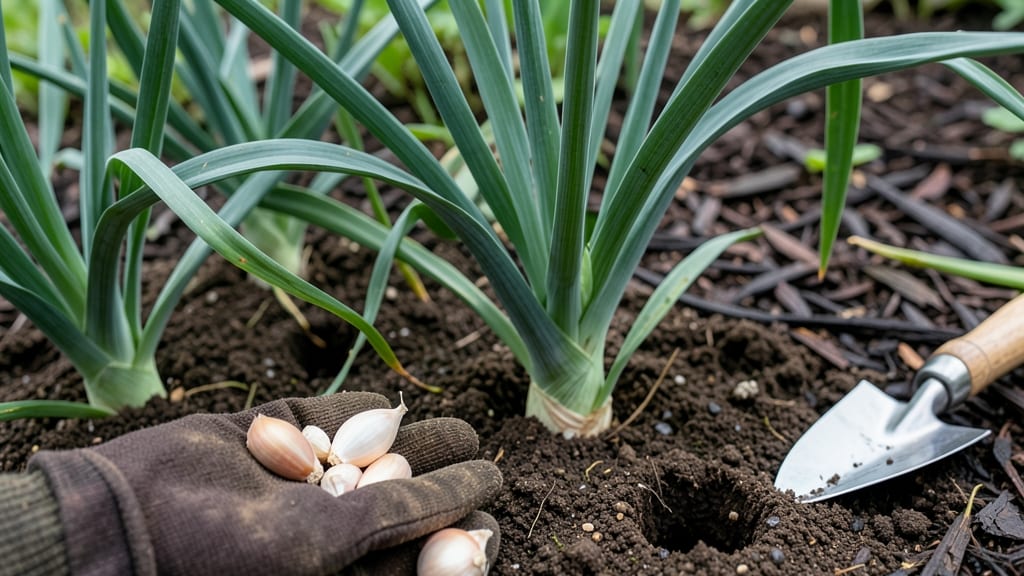
Timing your spring garlic planting just right is the difference between a bumper crop of bold-flavored bulbs and a sad, half-hearted harvest. Most gardeners in USDA Zone 6 and cooler climates swear by fall planting, but spring garlic still works—if you pick the right varieties and prep your soil properly.
For those of us who missed the fall window or live in warmer regions where garlic thrives year-round, spring planting offers a second chance.
The key is getting those cloves in the ground 4-6 weeks before your last frost date, giving them time to establish roots before summer heat arrives. That means in Zone 6, aim for early April—just as the soil warms enough to work but before the ground dries out completely.
Don’t stress if your spring is unpredictable—this guide covers everything from selecting cold-hardy varieties to soil prep tricks that’ll set your garlic up for success.
We’ll also tackle regional tweaks, so whether you’re in the Pacific Northwest or the Midwest, you’ll know exactly when to plant for maximum flavor and yield.
Ready to grow garlic that’ll make your kitchen the envy of the neighborhood? Let’s break down the exact steps to turn your spring planting into a harvest you’ll brag about—no green thumb required.
Best spring planting times for garlic by climate zone
Spring garlic planting is all about timing—too early, and frost will damage young sprouts; too late, and your bulbs won’t mature before summer heat. The golden rule is to plant 4–6 weeks before your last expected frost, giving roots time to establish before warm weather arrives.
For most U.S. gardeners, this means mid-March to early April, but your exact window depends on your USDA hardiness zone.
In cooler climates (Zones 3–5), where winters are harsh, spring planting is ideal because garlic thrives in cold soil. Warmer zones (6–10) can plant in fall or winter, but spring is still viable if you use shade cloth or mulch heavily to protect plants from summer heat.
Let’s break down the best planting windows by zone so you can align your schedule with your local climate.
| USDA Zone | Last Frost Date | Optimal Planting Window | Notes |
|---|---|---|---|
| 3–5 | Late April–Early May | March 1–15 | Cold-hardy varieties like Music or German White thrive here. |
| 6–7 | Mid-April | Late February–March 15 | Use mulch to protect from early warmth. |
| 8–9 | Early March | January–February | Plant early to avoid summer heat; consider shade cloth. |
| 10 | Late February | December–January | Fall planting is better; spring is risky due to heat. |
🌱 Pro Tip: Check your local frost dates using the USDA Plant Hardiness Zone Map for precision.
If you’re in a transition zone (e.g., Zone 7b–8a), pay attention to weather forecasts. A late frost can delay planting, while an early warm spell might encourage sprouting too soon. In these cases, cover seedlings with row fabric until temperatures stabilize.
I’ve planted garlic in Zone 7 as late as mid-April and still gotten a harvest, but the bulbs were smaller than ideal.
For container gardening, adjust your timeline slightly earlier—pots warm up faster. Aim to plant 2–3 weeks before your zone’s recommended window. Use well-draining soil and larger pots (at least 6 inches deep) to mimic ground conditions.
Containers also let you move garlic to shadier spots if summer heat arrives early.
Regardless of your zone, avoid planting after May 1 in most regions. By then, garlic’s growth cycle accelerates, and bulbs won’t have time to mature fully before summer.
Instead, focus on soil prep and companion planting to maximize your yield. For example, pairing garlic with rosemary or thyme deters pests naturally.
One common mistake is assuming all garlic varieties perform equally in spring. Hardneck varieties (like Chesnok Red) are better suited for cooler climates and spring planting, while softneck types (like Silverskin) often struggle unless planted in fall.
I’ll cover the best cold-hardy varieties in the next section, but for now, prioritize local nurseries or seed catalogs that specify spring-planting recommendations.
Finally, don’t stress if your spring planting window feels tight. Garlic is perennial in many climates, so a small harvest one year can regrow into a larger crop next season. Just mark your calendar for next fall’s planting—it’s the most reliable time for consistent yields.
With the right timing and prep, your spring-planted garlic could be ready for harvest by late July or August.
🌿
Best spring planting times for garlic by climate zone
Spring garlic planting requires precision—timing depends on your USDA hardiness zone and last frost date. In cooler climates (Zones 3-5), aim for 4-6 weeks before your last spring frost to ensure roots establish before summer heat. For warmer zones (6-10), plant 2-4 weeks before last frost to avoid bolting (premature flowering). Always check your local frost calendar to avoid planting too early or late. The key is cold exposure: garlic needs 40-60 days below 40°F to form bulbs properly. If your spring warms quickly, consider fall planting instead. For example, in Zone 6, plant in early March, while in Zone 8, wait until late February to avoid heat stress.| Zone | Ideal Planting Window | Key Consideration |
|---|---|---|
| 3-5 | Early March–Mid-April | Long cold season; prioritize early planting |
| 6-7 | Late February–Early April | Balance cold exposure with summer heat |
| 8-10 | January–February | Plant early to avoid bolting; may need shade |
If you’re in a transition zone (e.g., Zone 7), split your planting: 2/3 in early spring and 1/3 in fall to hedge against weather variability. Always use large, plump cloves from hardneck varieties (like ‘Music’ or ‘German White’) for best results in spring.
These varieties handle cooler temps better than softnecks, which are better suited for fall planting.
Pro tip: Mark your planting date on a calendar and set reminders for harvest time (July-August). Garlic planted in spring matures 1-2 weeks later than fall-planted garlic, so plan accordingly for storage needs. Avoid planting after May 1st in most zones—summer heat will cause bolting and poor bulb formation.