
Plants
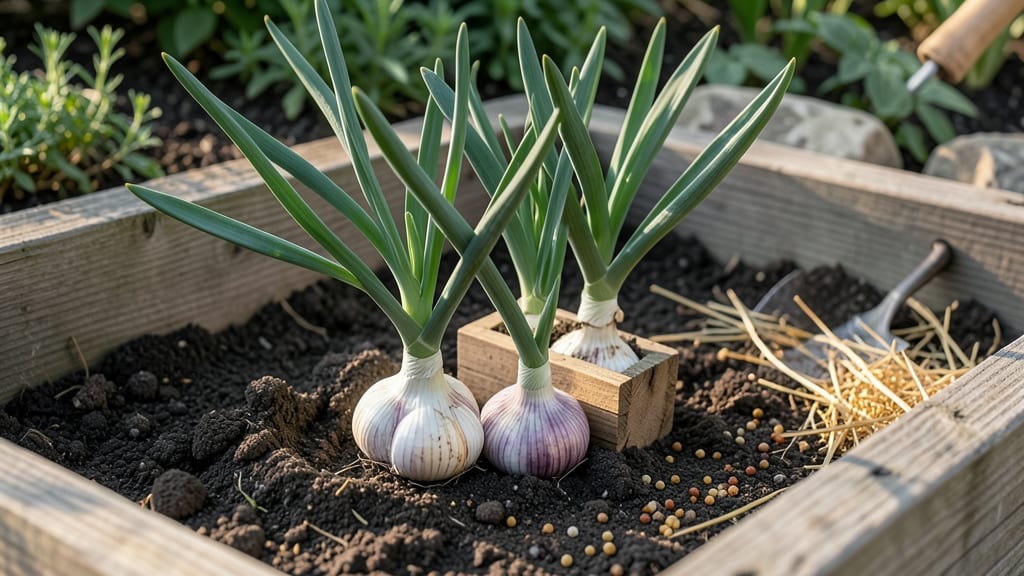
Planting garlic in Phoenix isn’t as simple as dropping cloves into the ground—timing is the key to avoiding stunted bulbs or wasted effort.
With its heat zone 10B climate, your 🧄 garlic thrives when planted between November and January, but get it wrong, and you’ll fight bolting or poor yields.
Most gardeners in the Phoenix area assume garlic behaves like it does in cooler climates, but the desert’s mild winters and early heat demand a different approach.
The secret lies in planting early enough for roots to establish before temperatures rise, yet not so late that your crop races toward harvest too quickly.
In this guide, I’ll break down exactly when to plant—whether you’re growing hardneck or softneck varieties—and how to adjust for Phoenix’s unpredictable weather. You’ll also learn how to prep your soil, space cloves correctly, and protect your crop from the region’s biggest challenges.
By the end, you’ll have a foolproof schedule to grow plump, flavorful bulbs ready for harvest in April or May. Let’s get those cloves in the ground the right way!
Best planting windows for Phoenix garlic (heat zone 10B explained)
Phoenix’s Heat Zone 10B climate creates unique challenges for garlic growers. Unlike cooler regions, we can’t rely on frost as a natural cue—our mild winters demand precise timing to avoid premature bolting or stunted bulbs.
The ideal window targets soil temperatures between 50-60°F, which typically occurs in late fall through early winter.
For hardneck garlic, the sweet spot is November through early December. This gives cloves enough time to establish roots before spring growth kicks in. Softneck varieties are slightly more forgiving, with a January planting window also viable for Phoenix’s warmer microclimates.
🌱 Pro Tip: Check soil temps with a soil thermometer—plant when temps consistently hover around 60°F at 4-inch depth. Urban Phoenix areas may run 5-10°F warmer than desert outskirts, affecting timing by up to 2 weeks.
| Variety Type | Optimal Planting Window | Soil Temp Requirement | Phoenix Microclimate Notes |
|---|---|---|---|
| Hardneck Garlic | November 15 - December 15 | 50-60°F (10-15°C) | Urban areas: plant 1-2 weeks earlier |
| Softneck Garlic | December 1 - January 15 | 55-65°F (13-18°C) | Desert outskirts: extend window to late Jan |
| Both Types | Backup Window | N/A | February (high risk of summer bolting) |
Phoenix’s unpredictable rainfall patterns add another layer of complexity. Unlike regions with reliable winter rains, we often experience drought-like conditions even in planting season. Always pair planting with 2-3 inches of mulch (straw or wood chips) to retain moisture and regulate soil temps.
For hardneck varieties, aim to have cloves sprout by late December. This ensures bulbs develop properly before spring heat arrives. Softnecks, which store better, can tolerate slightly later planting but still need 60 days of cool weather for bulb formation.
🌱 Local Insight: The Phoenix Botanical Gardens recommends planting ‘Inchelium Red’ hardneck garlic by November 30th for optimal yields, as this variety handles our occasional cold snaps better than most.
If you miss the primary window, February planting is possible but comes with risks. Bulbs may form poorly in the intense summer heat, and you’ll need to shade plants during peak afternoon sun (12-4 PM). For best results, treat February plantings as experimental batches rather than main crops.
🌱 Key Reminder: Phoenix’s lack of frost means we rely entirely on temperature cues. Use a minimum-maximum thermometer buried in your garden bed to track soil temps accurately—this is more reliable than air temperature readings.
Finally, consider elevated beds if your yard has poor drainage. Phoenix’s caliche soil can become waterlogged during rare winter rains, leading to rotten cloves. Raised beds warm up faster in spring, giving you a 2-week head start on the planting schedule.
Best planting windows for Phoenix garlic (heat zone 10B explained)
Phoenix’s Heat Zone 10B climate demands precise timing for garlic success. Unlike cooler regions, we can’t rely on frost cues—our mild winters require soil temperature thresholds of 50-60°F for optimal bulb formation.
Planting too early risks premature sprouting, while late planting may result in small, weak bulbs before summer heat sets in.
For hardneck varieties (like 'Inchelium Red'), aim for mid-November to early December—this gives cloves 8-10 weeks of cool weather before spring growth. Softneck varieties (e.g., 'Silverskin') are slightly more forgiving, tolerating late December to January plantings but still needing 6-8 weeks of cool conditions.
| Planting Window | Soil Temp | Variety Fit | Phoenix Microclimate |
|---|---|---|---|
| Mid-November | 55-60°F | Hardneck | Urban areas (cooler nights) |
| Early December | 50-55°F | Both types | Desert outskirts (warmer soils) |
| Late December | 45-50°F | Softneck | Elevated gardens (cooler temps) |
| January (backup) | 40-45°F | All (smaller yield) | Shaded beds (slower growth) |
Phoenix’s urban vs. desert microclimates create 5-10°F temperature differences—urban areas stay cooler at night, while desert outskirts warm faster. Test your soil with a thermometer before planting; 50°F soil is the magic threshold for root establishment. If temps rise above 65°F before harvest, bulbs may bolt prematurely.
Pro tip: Use black plastic mulch to warm soils in January plantings, or opt for shaded raised beds to delay heat stress. Monitor moisture levels—Phoenix’s dry air can trick you into under-watering, which stunts bulb growth. Aim for 1 inch of water weekly during active growth (fall/winter).
Harvest timing hinges on leaf color cues: when 1/3 of lower leaves turn brown but upper leaves stay green, it’s time to dig. In Phoenix, this typically falls in late April to May, just as summer heat ramps up.
Cure bulbs in dry shade for 2 weeks before storage.
Remember: No frost dates in Phoenix means we rely on heat avoidance rather than frost protection. Planting in November-December ensures bulbs mature before 100°F+ temperatures arrive—your secret to plump, flavorful garlic in this challenging climate. 🌱