
Plants
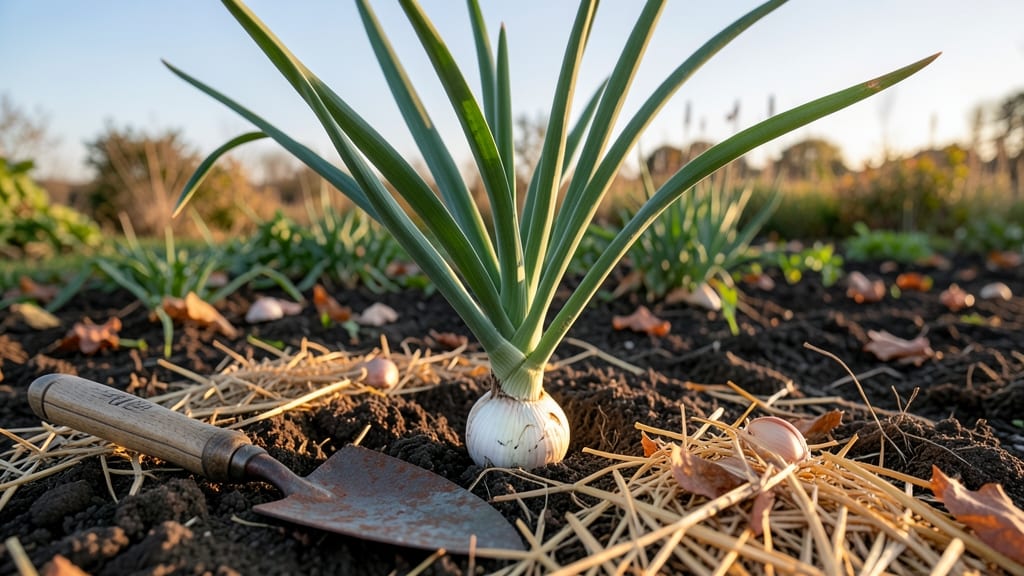
If you've ever wondered when to plant garlic in Zone 6, timing is the secret weapon between a thriving crop and disappointment. This cold-hardy 🧄 needs to establish roots before winter sets in—typically 4-6 weeks before hard frost, which in Zone 6 means late October to early November.
Many gardeners mistakenly plant too late, thinking spring is the answer, but garlic thrives when it experiences winter's chill. The key is getting those cloves in the ground while soil temps hover around 40-50°F, giving roots time to anchor before dormancy kicks in.
In Zone 6's cold winters, hardneck varieties like 'Music' or 'German White' are your best bet—they handle the freeze better than softnecks.
But even the hardiest garlic won’t perform if planted at the wrong time, so let’s break down the exact window and how to prep your soil for success.
You’ll learn how to adjust for your specific microclimate, whether you’re in the mountains or a city heat island, and why mulching matters more than you think. Let’s get those cloves in the ground the right way—once you master this, you’ll be harvesting plump bulbs come summer.
Optimal fall planting window for garlic in Zone 6: exact dates and climate factors
In Zone 6, garlic needs a 6-8 week head start before winter dormancy to develop strong roots and bulbs. Planting too early or late disrupts this critical growth phase, leading to smaller yields or failed crops.
The ideal window falls between mid-October and early November, but exact dates depend on your subregion and microclimate.
Soil temperature is the most reliable indicator—aim for 40-50°F at planting time. If your soil stays above 50°F for too long, garlic may bolt (sprout flowers) prematurely. Conversely, planting when soil temps drop below 40°F stresses young roots before they establish.
Daylight hours also play a role. Garlic enters dormancy when daylight drops below 10-12 hours. In Zone 6, this typically happens by late October, signaling it's time to plant. Use this natural cue to avoid guessing games with calendars.
Here’s how to adjust timing based on your Zone 6 subregion:
| Zone 6 Subregion | Ideal Planting Month | Soil Temp Range (°F) | Daylight Hours | Key Climate Risks |
|---|---|---|---|---|
| Northern (6a) | Mid-October | 40-50°F | 10-12 hours | Early frost |
| Central (6a-6b) | Late October | 45-55°F | 11-13 hours | Late heatwaves |
| Southern (6b) | Early November | 50-60°F | 10-12 hours | Mild winters |
Urban gardeners should account for the heat island effect, which can delay frost by 1-2 weeks. Test your soil’s readiness with a soil thermometer—if temps hover near 50°F, it’s time to plant.
For rural areas, err on the earlier side to avoid early frost cutting growth short.
Three non-negotiable signs your garlic is planted at the perfect time:
- Soil temperature sits between 40-50°F at planting.
- Daylight hours have dropped below 12 hours for at least a week.
- You’ve planted 4-6 weeks before the first hard frost date.
Use your local frost date as your anchor. For most of Zone 6, this falls around November 15. Count backward and plant garlic cloves when you hit your target window. If you miss fall, spring planting is possible but yields will be 30-50% smaller.
Pro tip: Plant a test row 2 weeks before your ideal date. If the cloves sprout and grow 1-2 inches before winter, you’ve nailed the timing. If not, adjust next year’s schedule.
🌱
Optimal fall planting window for garlic in Zone 6: exact dates and climate factors
In Zone 6, garlic needs 6-8 weeks of cool soil before winter dormancy to develop strong roots. Planting too early exposes cloves to rot, while late planting risks stunted growth from insufficient cold.
Aim for October to early November, when soil temperatures drop to 40-50°F—this window ensures bulbs establish roots but don’t sprout prematurely.
Your exact planting date depends on your last frost date and local microclimates. For most of Zone 6, this falls between October 15 and November 15.
Check your USDA Plant Hardiness Zone Map for precise adjustments—northern Zone 6 areas (like Chicago) may need earlier planting, while southern regions (like Atlanta) can wait until late October.
| Zone 6 Subregions | Ideal Planting Month | Soil Temperature (°F) | Daylight Hours | Key Climate Risks |
|---|---|---|---|---|
| Northern (6a) | October 1-15 | 40-50°F | 10-12 hours | Early frost, soil too wet |
| Central (6b) | October 15-31 | 45-55°F | 10-11 hours | Late heatwaves, drought |
| Southern (6b) | November 1-15 | 50-60°F | 10-11 hours | Mild winters, poor root set |
Use this 3-step method to pinpoint your perfect planting date: First, find your average first frost date (typically November 15 in Zone 6). Then, subtract 6 weeks to calculate your target window.
Finally, check your soil temperature—it should be below 60°F but not frozen. A soil thermometer (just $10) is worth the investment!
Daylight hours also play a crucial role. Garlic needs 10-12 hours of daylight to trigger bulb formation. In Zone 6, daylight drops below this threshold by late October, so planting after November 1 risks poor bulb development.
For container growers, extend the season by planting 2 weeks later—containers warm faster and can delay root establishment.
Watch for these 3 non-negotiable signs your garlic is planted at the perfect time: 4-6 weeks before ground freezes, soil temps between 40-50°F, and no visible sprouting in the cloves.
If you see green shoots before winter, your garlic is planted too early—cover with mulch to insulate and prevent rot.
Pro tip: Urban gardeners in Zone 6 often face microclimate challenges like heat islands. If your soil stays warm longer, opt for late-October planting and use black plastic mulch to cool the soil faster. Rural areas with colder nights can plant earlier without risk.