
Plants
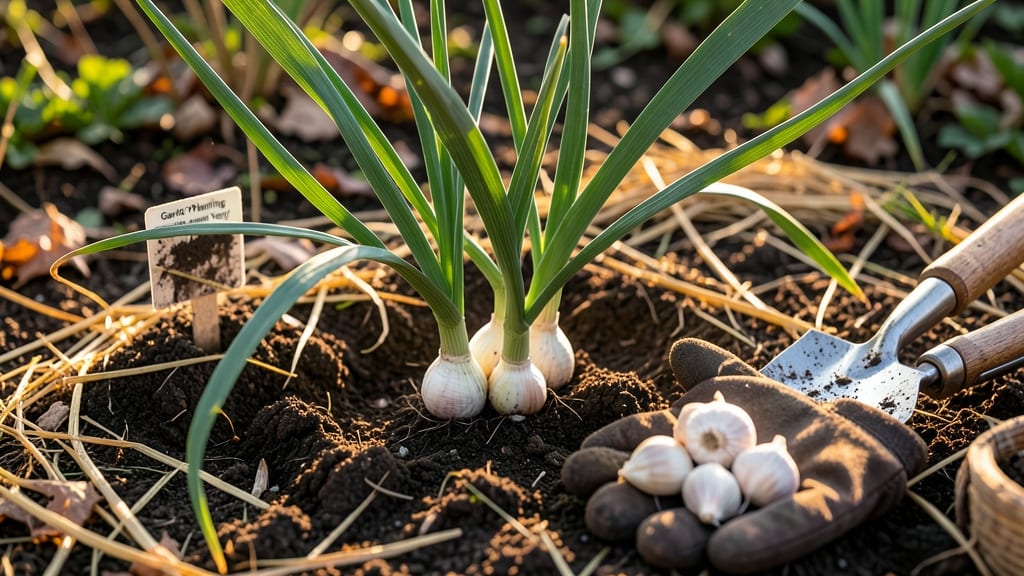
If you’ve ever wondered when to plant garlic in Ontario Canada, the answer isn’t just about picking a month—it’s about working with the land’s rhythm. Ontario’s 5a-6b climate demands precision, and planting too early or late can mean the difference between a robust harvest and wasted effort.
Most gardeners swear by fall planting—October to November—when soil temperatures drop but before the ground freezes solid. This timing lets the cloves establish roots before winter dormancy kicks in, giving you hardy, flavorful bulbs the following summer.
But spring planting is also an option, though it requires extra care to compensate for Ontario’s short growing season.
Let’s break down the exact timing, soil prep secrets, and the best cold-hardy varieties for your region. Whether you’re a seasoned gardener or just starting with 🧄, these insights will help you avoid common mistakes and maximize your yield.
Ready to grow garlic that thrives? I’ll walk you through everything—from frost deadlines to soil tricks—that make Ontario’s climate work in your favor. Let’s get those cloves in the ground the right way!
Best planting months for garlic in Ontario: frost timing and soil prep
Garlic thrives in Ontario’s cool autumn temperatures, but planting too early or late can ruin your crop. The ideal window is 4-6 weeks before the ground freezes, typically mid-October to early November in most of the province. This timing lets cloves establish roots before winter dormancy.
For Zone 5-7 gardeners, check your last frost date—planting in September is cutting it close, while December is too late unless you’re in a mild microclimate like the Niagara region. Hardneck varieties (like 'Music') handle cold better than softnecks, making them Ontario’s top choice.
Soil temperature is critical: aim for 40–50°F (4–10°C) at planting depth. Use a soil thermometer to confirm—garlic won’t sprout in warm soil (above 55°F/13°C). In southern Ontario, this usually aligns with late October, while northern areas may need earlier planting.
Prepare your soil by amending with compost or aged manure to improve drainage, as garlic hates soggy roots. Test your soil’s pH—garlic prefers 6.0–7.0. If your soil is heavy clay, consider raised beds for better control over moisture and frost penetration.
Fall planting is the gold standard, but early spring planting (March) works in a pinch if you miss the fall window. Spring-planted garlic may not mature fully in Ontario’s short season, but it’s better than nothing for beginners.
Pro tip: Use individual cloves from a bulb, not whole bulbs. Break apart the bulb carefully, ensuring each clove has its papery skin intact. Plant the pointy end up, about 2 inches deep and 6 inches apart in rows.
Mulch heavily with straw or leaves after planting to insulate cloves from freeze-thaw cycles, which can damage emerging shoots. Aim for a 4-inch mulch layer—this also suppresses weeds and retains moisture.
Here’s how Ontario’s microclimates affect timing: Southern Ontario (London, Hamilton): Plant by late October Central Ontario (Toronto, Guelph): Plant by mid-October Northern Ontario (Sudbury, North Bay): Plant by early October Adjust for early frost years by planting sooner.
| Planting Window | Soil Temp | Ontario Region | Key Consideration |
|---|---|---|---|
| Mid-October | 40–50°F (4–10°C) | Southern Ontario | Last frost typically late Nov |
| Late October | 40–50°F (4–10°C) | Central Ontario | First frost mid-October |
| Early October | 35–45°F (2–7°C) | Northern Ontario | Shorter growing season |
| Early March | 35–45°F (2–7°C) | All regions (emergency) | Smaller bulbs, but viable |
If you’re unsure about frost dates, use Environment Canada’s historical data for your area. For example, Toronto’s average first frost is October 15, so aim to plant by September 25 to be safe. In Zone 6b (like Niagara), you might push planting to early November.
Remember: Garlic is a cool-season crop, so it needs cold stratification to form bulbs. Planting too late (after December) means cloves may rot before they can establish. If you miss the fall window, spring planting is better than nothing—just expect smaller bulbs.
For container gardening, use pots with drainage holes and plant in late September to avoid early frost damage. Containers warm up faster, so monitor soil temps closely. Mulch containers with straw or shredded leaves to protect roots.
🌱
Best planting months for garlic in Ontario: frost timing and soil prep
Ontario’s Zone 5-7 climate demands precision when planting garlic—fall planting is ideal because garlic needs cold exposure to form bulbs. Aim for 4-6 weeks before the first hard frost, typically mid-October to early November, depending on your region.
For example, gardeners in Toronto usually plant in late October, while those in Northern Ontario may start as early as mid-September.
Garlic thrives when soil temperatures drop to 10°C (50°F) or below—this triggers the vernalization process, ensuring robust bulb development. Use a soil thermometer to confirm readiness, especially in warmer microclimates like the Niagara region, where soil may stay warm longer.
Planting too early in September risks rot, while waiting until December limits root establishment before winter.
| Planting Window | Soil Temp Requirement | Frost Timing | Best For |
|---|---|---|---|
| Late September | 10–15°C (50–59°F) | Northern Ontario (earlier frost) | Hardneck varieties |
| Mid-October | 5–10°C (41–50°F) | Toronto/GTA (mid-frost) | All varieties |
| Early November | Below 5°C (41°F) | Southern Ontario (later frost) | Softneck varieties |
For hardneck garlic, which produces scape stalks and stores well, plant by October 15 in most of Ontario. Softneck varieties, like Silverskin, can tolerate slightly later planting (up to November 1) but yield smaller bulbs.
Always choose plump, disease-free cloves from last year’s harvest—avoid store-bought garlic, which may be treated to prevent sprouting.
Prepare your soil by amending with compost or well-rotted manure to improve drainage—garlic hates soggy conditions. Test your soil’s pH (6.0–7.0 is ideal) and add lime if needed. Raised beds work well in wet climates like Kitchener-Waterloo, where poor drainage is common.
Space cloves 6 inches apart in rows 12 inches apart for easy harvesting and airflow.
Spring planting is possible but risky—cloves must sprout before soil warms above 15°C (59°F), typically by March. This method works best in Zone 6b (e.g., London, ON) but often yields smaller bulbs.
If you miss the fall window, opt for early-sprouting varieties like German Red and plant in late February under row covers to extend the season.
Pro tip: Mark your planting spots with biodegradable flags to avoid disturbing the soil in spring. Mulch with straw or leaves after planting to insulate cloves from freeze-thaw cycles, which can heave them out of the ground.
With the right timing and prep, your Ontario garlic will reward you with bold flavor and disease resistance—perfect for braiding and long-term storage.