
Plants
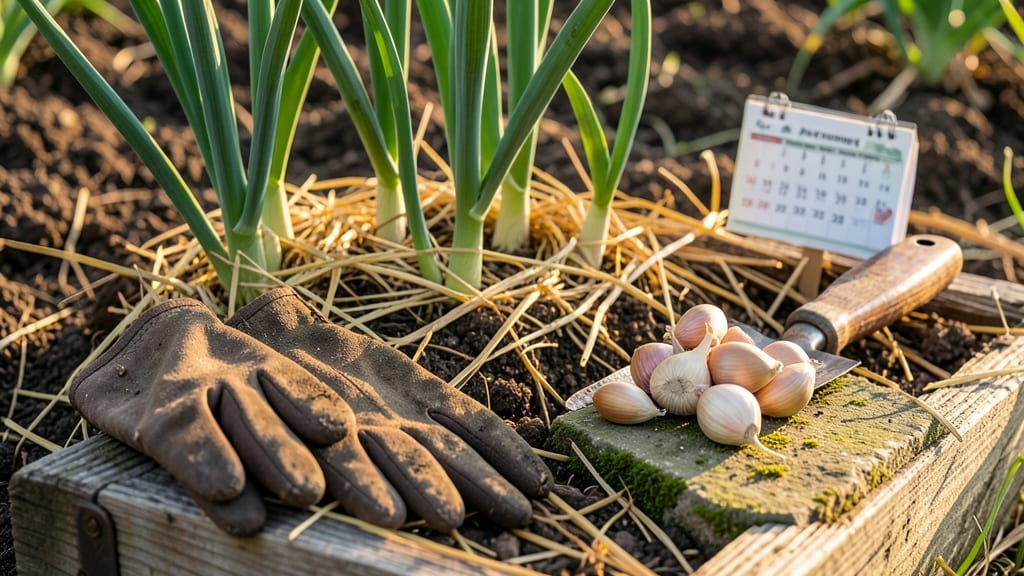
If you’ve ever wondered when to plant garlic in Minnesota, the answer isn’t just about timing—it’s about beating the clock before the first frost locks your garden in ice.
The right window (late September to early October) turns your backyard into a flavor factory, yielding bold, hardneck varieties that thrive in USDA Zones 3b-5b. But get it wrong, and you’ll miss out on those prized cloves that make winter soups sing.
Here’s the game-changer: Minnesota’s short growing season demands precision. Plant too early, and your garlic might bolt; too late, and frost stunts growth. I’ll walk you through the ideal planting timeline, soil prep secrets, and why hardneck garlic (like ‘German White’ or ‘Music’) outperforms softneck types in our cold winters.
Plus, I’ll share how to adjust for organic methods—because even Minnesota’s tough soil can be coaxed into garlic-growing gold.
You’ll also learn how to spot the perfect moment to harvest (late June to early July) and avoid common pitfalls like waterlogged soil or overwintering failures.
Whether you’re a first-time gardener or a seasoned green thumb, these tips will help you grow garlic that’s bigger, stronger, and ready for next year’s meals. Let’s get those cloves in the ground the right way.
Ready to turn your Minnesota garden into a garlic powerhouse? The clock is ticking—literally. Fall’s your only shot, and I’ve got the exact steps to make it work. Let’s dive in.
Best planting timeline for Minnesota garlic: frost dates & soil prep
Minnesota’s short growing season and freezing winters make timing critical for garlic. Unlike many crops, garlic needs cold exposure to form bulbs, so planting in fall is ideal.
The key is to plant 4-6 weeks before the ground freezes, typically between late September and early October in most of Minnesota.
For Zone 3-5 gardeners, this usually means mid-September to mid-October. If you miss this window, you can try spring planting, but bulbs will be smaller and less flavorful. The average first frost in Minnesota falls around mid-October, so aim to plant by then.
Soil temperature is another critical factor. Garlic cloves should be planted when soil temps are below 60°F but still workable. Use a soil thermometer to check—if the ground is too warm, cloves may sprout before winter, weakening them.
In northern Minnesota (Zone 3), plant as early as late August to ensure roots establish before freeze.
Here’s a quick Minnesota garlic planting timeline to follow:
Pro tip: Use hardneck garlic varieties for Minnesota—they thrive in cold climates and produce larger bulbs with flavorful scapes.
Break apart a garlic bulb into individual cloves, plant the pointy end up, and cover with 2-4 inches of mulch (straw or leaves work best) to protect from freeze-thaw cycles.
If you’re in southern Minnesota (Zone 5), you can push planting to early November, but avoid planting after the ground freezes solid. Cloves won’t sprout until spring, but they’ll still overwinter successfully. Just mark your rows so you don’t dig them up by accident!
One common mistake is waiting too long to plant. If you miss the fall window, spring planting is an option, but bulbs will mature 6-8 weeks earlier and may not develop fully. For best results, stick to fall planting and let Minnesota’s cold do the work for you.
For organic gardeners, skip synthetic fertilizers and use compost or aged manure instead. Garlic is a low-maintenance crop once planted—just water occasionally in spring and let it grow. By next summer, you’ll have plump, flavorful bulbs ready for harvest!
🌱
Best planting timeline for Minnesota garlic: frost dates & soil prep
Garlic in Minnesota loves the cold, but timing is everything. Plant too early, and cloves rot; too late, and bulbs won’t mature. The ideal window is late September to early October, when soil temps drop to 40-50°F—perfect for root establishment before winter.
This aligns with Minnesota’s Zone 3b-5b frost dates, where the ground typically freezes by mid-October.
For hardneck varieties (the best for Minnesota), aim to plant 4-6 weeks before the first hard frost. In northern Minnesota (Zone 3), this might mean early September, while southern areas (Zone 5) can wait until mid-October.
Use your local USDA frost calendar as your guide—most Minnesota counties list the first frost between October 10-20.
| Stage | Action | Minnesota Timeline |
|---|---|---|
| Soil Prep | Test pH (6.0-7.0), amend with compost | August-September |
| Planting | Cloves 4" deep, 6" apart, pointy end up | Late Sept-Early Oct |
| Winter | Mulch with straw (4-6") | October-April |
| Spring | Remove mulch, fertilize lightly | May |
| Harvest | When lower leaves brown | Late June-Early July |
Spring planting is possible but riskier—plant as soon as soil thaws (late March to early April) in well-drained beds. However, spring garlic rarely develops full-sized bulbs like fall-planted varieties. If you miss the fall window, opt for smaller cloves or green garlic harvests in spring.
Pro tip: Use a soil thermometer to confirm temps are below 50°F before planting. Cold soil prevents rot and encourages strong root growth. In northern Minnesota, where winters are longer, prioritize earlier planting (late August) to ensure bulbs establish before freeze.
Mulching is non-negotiable in Minnesota. Apply 4-6 inches of straw after planting to insulate cloves through winter. Remove mulch in early spring (March-April) to prevent rot as temps rise. This simple step can mean the difference between thriving bulbs and shriveled harvests.
Don’t forget: Garlic needs 6+ hours of sunlight daily, even in Minnesota’s short summer. Choose a south-facing bed to maximize light exposure during the critical June-July growing phase. With the right timing and care, you’ll harvest bold, flavorful bulbs that put store-bought to shame. 🌱