
Plants
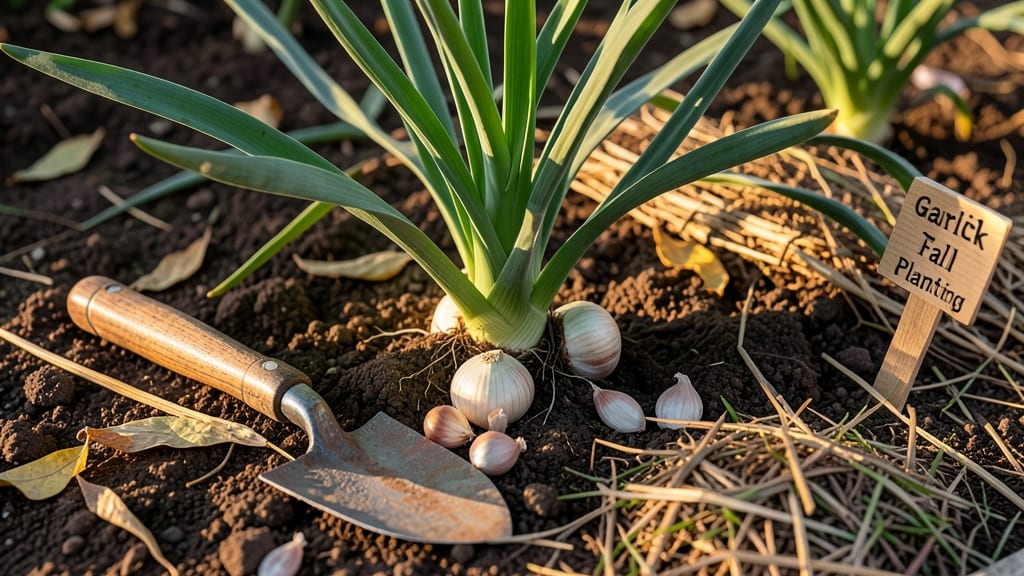
Timing your garlic planting in New Jersey can make or break your harvest—especially if you're growing hardneck varieties. Plant too early, and your cloves might sprout prematurely; too late, and they won't establish roots before winter. But get it right, and you'll enjoy plump, flavorful bulbs by next summer.
For New Jersey's 6a-7b zones, the sweet spot is late October through mid-November, when soil temperatures drop but haven't frozen yet. This window ensures your 🧄 garlic develops strong roots before winter dormancy.
Whether you're in coastal areas or inland regions, small adjustments can make a big difference in bulb size and quality.
I'll walk you through the exact calendar ranges, soil prep tips, and climate considerations tailored to your location. You'll learn how to avoid common mistakes—like planting too close to frost—that can ruin your crop before it even starts.
Ready to grow hardneck garlic that rivals (or even outshines) store-bought? Let's dive into the secrets that will give you the best possible harvest for your New Jersey garden.
Best fall planting windows for New Jersey hardneck garlic
New Jersey’s USDA zones 6a-7b create the perfect climate for growing hardneck garlic, but timing is everything. Plant too early, and your cloves might sprout before winter sets in. Plant too late, and they risk freezing before establishing roots.
The ideal window for fall planting is mid-October through mid-November, but exact dates depend on your specific region within the state.
For northern New Jersey (like Bergen County or Sussex County), aim to plant by October 20th to give bulbs time to root before the ground freezes. In central NJ (Mercer, Middlesex), you have a bit more flexibility until November 1st.
Meanwhile, southern NJ (Cape May, Atlantic City) can push planting until November 15th due to milder winters.
Here’s the science behind these dates: Garlic needs 4-6 weeks of cool soil temperatures (below 50°F) to establish roots before winter dormancy. In NJ, soil temps drop below this threshold around late November, so planting after that risks poor root development.
One trick I use is checking the average first frost date for my area (usually November 15th in most of NJ) and planting 6 weeks before. This ensures roots have time to grow but avoids premature sprouting in warm fall soil.
| Region | Ideal Planting Window | Soil Temp Goal | Key Consideration |
|---|---|---|---|
| Northern NJ (Zones 6a) | Mid-October - October 20 | Below 50°F by Nov 15 | Earlier frost dates |
| Central NJ (Zones 6b-7a) | Late October - November 1 | Below 50°F by Nov 22 | Moderate climate |
| Southern NJ (Zones 7b) | Late October - November 15 | Below 50°F by Dec 1 | Milder winters |
Pro tip: Use hardneck varieties like 'Music' or 'German White' for NJ—they thrive in our cold winters and produce those prized hardnecks (the curly scapes) that softneck varieties can’t match. These varieties also handle our variable winters better than southern softneck types.
If you’re unsure about your exact planting date, check the National Weather Service for your local 30-day forecast. Look for a stretch with consistent temps below 60°F—this signals it’s time to plant. I always set a reminder for October 15th to start monitoring soil temps.
Remember, garlic planted in fall will produce larger bulbs than spring-planted garlic. The cold winter months actually strengthen the flavor and size of your harvest. That’s why master gardeners in NJ swear by fall planting—it’s the secret to restaurant-quality garlic.
For extra insurance, I like to mulch heavily with straw or leaves after planting. This adds 3-4 inches of insulation to protect roots during temperature swings. Just don’t let it touch the cloves directly—keep it 2 inches away to prevent rot.
Finally, mark your calendar for late June to July—that’s when your hardneck garlic will be ready to harvest. The brown lower leaves and firm bulbs are your cues to dig up those treasures.
How to Adjust planting time for your specific New Jersey microclimate
New Jersey’s diverse geography means your garlic planting window can shift dramatically depending on where you garden. Coastal areas like Cape May experience milder winters, while inland zones like Sussex County face earlier frosts.
Even a 10-mile difference can mean planting garlic 2-3 weeks earlier in northern NJ compared to southern regions.
Elevation plays a role too—higher areas like the Kittatinny Mountains (USDA Zone 6a) may need garlic in the ground by October 1st, while lower elevations near the Delaware River (Zone 7b) might wait until mid-November.
Check your local frost dates—aim to plant 4-6 weeks before the first hard freeze (20°F or below).
Recent weather patterns matter too. After the 2022-2023 mild winter, many NJ gardeners successfully planted garlic as late as December 1st in protected microclimates. But don’t rely on trends—always verify with your local cooperative extension office or a home weather station for real-time data.
Pro tip: If you’re unsure, plant a test row 2 weeks before your target date. Cover it with straw mulch (4–6 inches) to simulate winter conditions. If the cloves sprout before frost, your main planting is safe to go ahead.
Remember, hardneck garlic (the best choice for NJ) thrives with cold vernalization—a period of winter chill. Planting too late (after December 1st) risks weak bulb development, while planting too early (before September 15th) can trigger premature sprouting. Balance is key!
For extra insurance, group your planting into two batches: 50% at your ideal date and 50% 2 weeks later. This hedges against microclimate surprises and extends your harvest window by up to 3 weeks. 🌱