
Plants
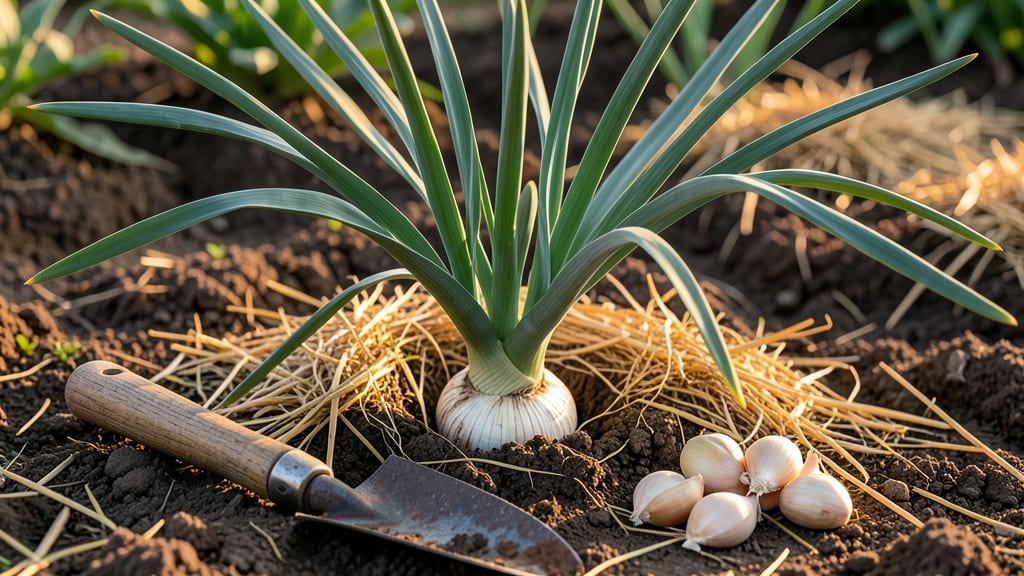
Timing your spring garlic planting in North Carolina can make or break your harvest—get it wrong, and you might end up with weak bulbs or no crop at all.
Unlike fall planting, spring garlic thrives when soil temperatures hit that sweet spot between 40°F and 50°F, a window that’s narrower than most gardeners realize.
I’ve learned the hard way that rushing garlic into cold soil or waiting too long can turn your 🧄 dreams into disappointment. The key is understanding your USDA zone (6b-8a) and local frost dates, which vary wildly from the mountains to the coast.
Whether you’re in Raleigh or Asheville, planting too early risks rot, while waiting too late can stunt growth before summer heat arrives.
In this guide, I’ll break down the three soil temperature triggers that signal it’s time to plant, plus regional planting windows tailored to NC’s microclimates. You’ll also discover how to prep your soil and space cloves for maximum yield—so you can go from clove to harvest with confidence.
Ready to grow plump, flavorful garlic by summer? Let’s dive into the exact steps that’ll turn your spring planting into a success—no guesswork required.
NC spring soil temperature triggers for planting garlic
North Carolina’s spring weather can be as unpredictable as a hummingbird’s flight pattern—one day warm, the next a frost warning. For garlic, timing isn’t just about the calendar; it’s about soil temperature.
Plant too early, and your cloves rot. Wait too long, and you miss the hardneck varieties’ ideal growing window. The magic number? 40-50°F soil temps consistently for at least 5 days.
Most gardeners rely on air temperature, but garlic roots need warmer soil to establish. A chilly morning might feel spring-like, but if the soil is still below 40°F, your garlic cloves will sit like soggy sponges, inviting rot.
Think of it as garlic’s version of a warm bath—just right, not too hot, not too cold.
Here’s how to test soil temperature accurately: Use a soil thermometer (they’re cheap and lifesavers). Stick it 2 inches deep—the depth you’ll plant your cloves—and check readings in the late afternoon.
If it’s consistently 40-50°F for 5 days, it’s time to plant. Pro tip: Morning frost can drop temps, so always check afternoons.
| Soil Temp Range | Planting Readiness | NC Spring Timing |
|---|---|---|
| Below 40°F | ❌ Too Cold – Rot Risk | Early Feb (Mountains) |
| 40-50°F | ✅ Ideal – Plant Now! | Mid-Feb to Early March |
| 50-60°F | ⚠️ Borderline – Fast Growth | Late March (Coastal) |
| Above 60°F | ❌ Too Warm – Bolting Risk | April+ (Avoid) |
Why does this 40-50°F window matter so much? Garlic is a cool-season crop, but it’s not frost-hardy once it starts growing. If you plant when soil is too cold, cloves rot before sprouting.
If you wait until soil is too warm (above 60°F), your hardneck varieties will bolt—sending up flowers instead of bulbs. Think of it like waiting for the perfect wave to surf: too early, you wipe out; too late, you miss the ride.
North Carolina’s USDA Zones 6b-8a complicate things further. In the Mountains (Zone 6b), soil warms slower, so aim for mid-February. In the Coastal Plain (Zone 8a), soil warms faster—wait until early March.
Piedmont gardeners fall in between, typically planting by late February. Always adjust for microclimates: A south-facing bed warms faster than a shady corner.
One common mistake? Planting based on air temperature alone. A 70°F day in March might feel spring-like, but if the soil is still 55°F, your garlic will struggle.
Use a clear plastic mulch to warm soil faster if you’re in a hurry, but remove it once plants emerge to prevent overheating. Another trick: Plant in raised beds, which warm up 1-2 weeks earlier than in-ground soil.
Hardneck varieties like ‘Music’ or ‘German White’ are the stars of spring planting. They need cold exposure to form bulbs, but not so much that they freeze.
Softneck varieties (like ‘Artichoke’) are more forgiving but still prefer cooler soils. If you’re unsure, stick with hardnecks—they’re the workhorses of NC spring garlic.
Here’s a pro move: Pre-warm your soil in late winter by covering beds with black plastic for 1-2 weeks before planting. This can shave off critical days waiting for the right temp. Just
Finally, don’t stress if your soil temps fluctuate. Garlic is resilient, but consistency is key. If temps dip below 40°F after planting, add a light mulch (straw works great) to insulate the soil. And if you’re in Zone 8a, you might even squeeze in a second planting in early December for a summer harvest—just a NC gardener’s secret trick!
NC spring soil temperature triggers for planting garlic
North Carolina’s spring soil temperatures are the #1 factor in determining when to plant garlic successfully. Unlike fall planting, spring garlic requires consistent soil temps between 40-50°F—too warm, and your hardneck varieties will bolt prematurely.
Too cold, and cloves rot before sprouting. My soil thermometer (just $15) became my best friend last spring when I nearly planted too early!
Here’s the science: Garlic cloves need 4-6 weeks of cool soil to establish roots before summer heat arrives. If your soil hits 55°F or warmer consistently, your garlic will focus on flowering instead of bulb development.
That’s why I always check temps at 4-inch depth—surface temps can be misleading, especially after sunny days.
Pro tip: Test your soil morning and evening for 3 days. If temps fluctuate between 40-50°F reliably, it’s time to plant. In Zone 7a (like Raleigh), this usually falls in late February to early March, while Zone 8a (Coastal NC) can start as early as mid-February.
| Soil Temp Trigger | What It Means | NC Zone Timing |
|---|---|---|
| 40-45°F | Ideal for root establishment; minimal rot risk | Late Feb (Zone 8a) to early March (Zone 6b) |
| 45-50°F | Sweet spot: roots grow fast, bulbs develop slowly | Mid-Feb to late March |
| 50-55°F | Risk of bolting; reduce watering to delay growth | April (late planting) |
| Above 55°F | Danger zone: garlic bolts (goes to seed) instead of forming bulbs | Avoid planting |
One common mistake I see is planting based on air temperature instead of soil temp. Last year, my neighbor planted in early February when it was 60°F outside—but his soil was still 38°F.
His garlic rotted before sprouting. Always prioritize soil temperature over calendar dates. For hardneck varieties like ‘Music’ or ‘Silverskin’, this rule is non-negotiable.
If you’re in doubt, wait. Spring-planted garlic gives you a summer harvest (June-July), but it’s less productive than fall-planted garlic. That’s why I now double-check soil temps for 5 days before planting—it’s worth the extra week of patience. Remember: cool soil = happy garlic.
Once your soil hits that 40-50°F window, act fast! Plant cloves 2 inches deep, 4-6 inches apart, and mulch with 2-3 inches of straw to maintain even soil temps. This simple step can double your yield by preventing temperature swings.