
Planting
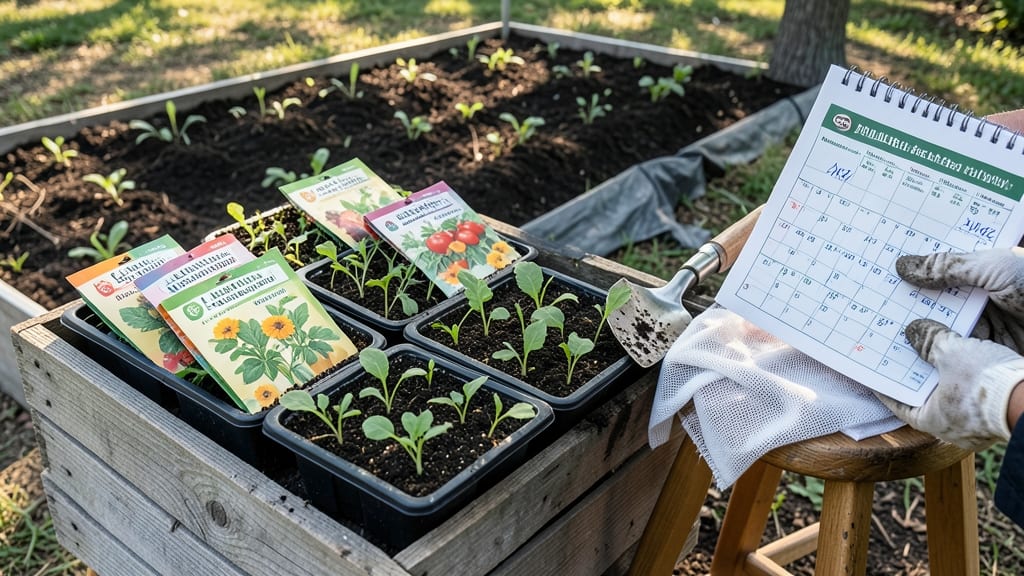
Knowing when to plant a garden in Nebraska means the difference between a bumper crop of tomatoes and a sad, frost-nipped disappointment. With USDA Zones 5B and 6A bringing unpredictable spring weather, knowing when to plant isn’t just helpful—it’s essential for success.
I’ve spent years watching Nebraska’s frost dates shift from year to year, and the ideal planting window for your 🌱 General Nebraska Garden hinges on two critical factors: soil temperature and the last frost.
Get it wrong, and you’ll either rush seeds into cold ground or miss the chance to grow warm-season favorites like peppers and squash.
Here’s what you need to know: April 15 to May 15 is your spring sweet spot for most vegetables, while fall planting runs from August 1 to September 15.
But don’t just pick dates—learn how to adjust for your microclimate, whether you’re in Omaha’s urban heat islands or rural areas where frost lingers longer.
By the end of this guide, you’ll have a customized planting timeline tailored to Nebraska’s quirks, plus pro tips to stretch your growing season. Let’s get those seeds in the ground at the perfect moment!
Nebraska frost dates by USDA zone: 5B vs 6A planting timeline
Nebraska’s USDA Zones 5B and 6A create distinct planting windows—Zone 6A (warmer areas like Omaha) typically enjoys 10-14 extra frost-free days compared to Zone 5B (cooler rural areas). Understanding these differences helps you avoid frost damage while maximizing your garden’s potential.
For example, Lincoln (Zone 6A) often sees its last spring frost around April 15, while rural western Nebraska (Zone 5B) may wait until May 1.
Historical data shows Nebraska’s first fall frost arrives between October 1-15, with Zone 6A holding off slightly longer.
This 160-180 frost-free day window shapes your planting schedule—cool-season crops like kale and spinach can start in early spring, while tomatoes and peppers need to wait until all frost risk has passed. Always check local almanac records or the Nebraska State Climate Office for year-to-year variations.
🌱
| Zone | Avg. Last Spring Frost | Avg. First Fall Frost | Frost-Free Days | Key Planting Windows |
|---|---|---|---|---|
| 5B (Western NE, Scottsbluff) | May 1 | October 1 | 160 days | Cool crops: April 1-15 | Warm crops: May 15-30 |
| 6A (Omaha, Lincoln) | April 15 | October 15 | 180 days | Cool crops: March 15-April 1 | Warm crops: May 1-15 |
| Microclimates (Urban Heat Islands) | April 1-10 | October 20 | 190+ days | Extend warm crops by 2 weeks |
For cool-season crops like lettuce, peas, and broccoli, you can start seeds indoors 4-6 weeks before your last frost date—typically by March 1 in Zone 6A or March 15 in Zone 5B. Transplant seedlings outdoors 2-3 weeks before the average last frost to give them time to establish roots. Hardy vegetables like kale and spinach can even handle light frosts, so don’t hesitate to plant them early.
Warm-season crops such as tomatoes, peppers, and cucumbers demand soil temperatures above 50°F and no frost risk. In Zone 5B, wait until May 15 to plant these heat-lovers, while Zone 6A gardeners can start as early as May 1.
Use a soil thermometer to verify—60°F+ is ideal for tomatoes and peppers to thrive.
Fall planting follows the reverse logic: cool-season crops like radishes and carrots can be sown 8-10 weeks before your first frost (around August 1 in Zone 5B or August 15 in Zone 6A). Bush beans and cucumbers planted in late summer may not mature before frost, but kale and turnips actually sweeten with frost, making them perfect for fall harvests.
Microclimates play a huge role in Nebraska. Urban areas like Omaha experience urban heat islands that can push frost dates back by 1-2 weeks. If you’re near a south-facing wall or paved surface, you might safely plant warm-season crops 7-10 days earlier. Conversely, low-lying areas or <
Best month-by-month planting schedule for Nebraska gardens
Nebraska’s short but productive growing season demands precision timing. I’ve broken down the ideal planting windows by month, so you can maximize yields for vegetables, flowers, and herbs—whether you’re sowing seeds or transplanting seedlings. Remember, soil temperature (not air temperature) is your best guide.
Start with cool-season crops in early spring, like peas and spinach, which tolerate light frosts. By mid-May, when nighttime temperatures stay above 50°F, you can safely plant warm-season favorites like tomatoes and peppers.
Fall planting kicks off in early August for hardy crops that mature before the first frost.
🌱 Pro Tip: Use row covers to extend early spring planting by 2-3 weeks for heat-loving plants.
📅 Month-by-Month Planting Calendar for Nebraska
- Peas, spinach, lettuce
- Onions, garlic (from sets)
- Pansies, snapdragons
- Tomatoes, peppers, eggplant
- Cucumbers, squash, beans
- Marigolds, zinnias
- Succession plant: beans, lettuce
- Basil, cilantro, dill
- Sunflowers, cosmos
- Kale, broccoli, Brussels sprouts
- Carrots, beets, radishes
- Asters, chrysanthemums
🌱 Key: Start seeds indoors 4-6 weeks before transplanting outdoors.
For succession planting, repeat sowings every 2-3 weeks for crops like lettuce and beans. This ensures a continuous harvest and prevents gluts. For example, plant bush beans in early May and again in mid-June to enjoy fresh pods all summer.
Herbs like basil and cilantro thrive in Nebraska’s summer heat but bolt quickly. I recommend planting basil in late May and cilantro in early fall for the best flavor. Shade cloth can help extend their growing season by 30% during peak summer heat.
🌿 Warning: Avoid planting warm-season crops before May 15—even if seedlings look healthy, a late frost will kill them. Check the Nebraska State Climate Office for 10-day forecasts before committing to outdoor planting.
Finally, don’t overlook perennials and trees. Plant asparagus crowns in early spring or fall, while fruit trees establish best when planted in late fall (October) for deep root growth before winter. With this schedule, you’ll turn Nebraska’s 160-180 frost-free days into a bountiful garden!