
Trees
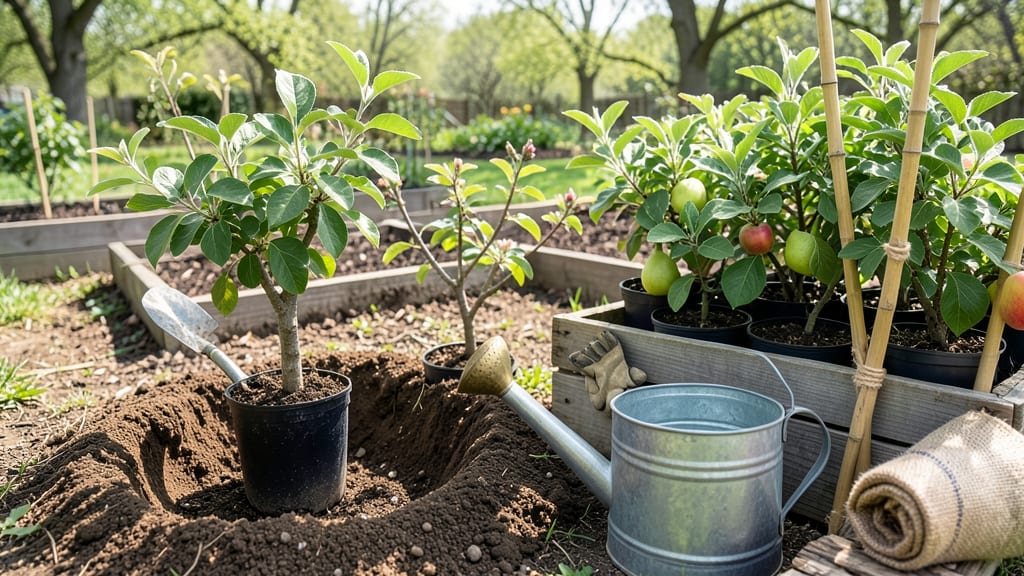
Planting fruit trees in Washington State at the wrong time can mean wasted effort—or even lost trees. But timing it right ensures strong root growth, better fruit production, and survival through the state’s diverse climates.
Whether you're in the 5b-8b zones of Eastern or Western WA, knowing when to plant is the key to success. The best window is late winter to early spring, but fall planting also works for container-grown 🍎 trees. Let’s break down the perfect timing for your region.
You’ll discover how chill-hour requirements affect planting dates for varieties like apples and cherries. Plus, I’ll share tips for soil prep, spacing, and post-planting care to give your trees the best start.
Don’t miss out—getting this right means healthier trees, bigger harvests, and less stress. Let’s make sure your orchard thrives from day one.
Washington State fruit tree planting calendar by chill-hour zones
Washington State’s diverse climates—from the mild Puget Sound to the dry Eastern WA—mean fruit trees thrive in different chill-hour zones. Understanding these zones helps you plant at the perfect time for root establishment and fruit production.
Most fruit trees need 200–1,200 chill hours (temperatures between 32°F–45°F) to flower and bear fruit. Western WA (e.g., Seattle) averages 800–1,200 hours, while Eastern WA (e.g., Yakima) gets 200–600 hours. Planting outside these ranges risks poor yields or no fruit.
Bare-root trees (dormant) plant best in late winter/early spring (February–April), while container-grown trees can go in spring or fall. Below is a breakdown by region and chill-hour needs.
| Region | Chill-Hour Range | Best Planting Window | Tree Types | Key Tips |
|---|---|---|---|---|
| Puget Sound (Seattle) | 800–1,200 hours | Feb–March (bare-root) or April (containers) | Apples, Pears, Cherries | Avoid late spring; frost risk until April 15. |
| Eastern WA (Yakima) | 200–600 hours | March–April (bare-root) or Sept–Oct (fall) | Peaches, Plums, Apricots | Fall planting works well; soil warms faster in spring. |
| Columbia Basin | 400–800 hours | Feb–March (bare-root) or Sept–Oct | Cherries, Apples, Pears | Irrigate deeply; dry soil slows root growth. |
| Western Slopes (Leavenworth) | 600–1,000 hours | March–April (bare-root) | Apples, Cherries | Cool nights extend chill hours; plant early. |
For container-grown trees, you can plant throughout spring (May in Western WA, April in Eastern WA), but bare-root trees must go in dormant season to avoid transplant shock. Always check local frost dates—Eastern WA’s last frost is often May 1, while Western WA’s is April 15.
Soil temperature matters too. Roots grow best when soil is 40°F–60°F. In Eastern WA, soil warms faster, so March planting is ideal. In Western WAApril to avoid cold, wet soil.
Mulch heavily after planting to retain moisture and regulate soil temperature. Use wood chips or straw, keeping mulch 3–4 inches away from the trunk to prevent rot. Water deeply once a week for the first month to encourage root spread.
If you miss the spring window, fall planting (September–October) works for container-grown trees in Eastern WA. Just ensure the tree is dormant and soil isn’t frozen. In Western WA, fall planting is riskier due to wetter conditions and fungal diseases.
Pro tip: Use a soil thermometer to check depth (6 inches). If soil is below 40°F, wait a week. Root growth stalls in cold soil, delaying establishment by months.
For stone fruits (peaches, plums), plant 1–2 weeks earlier than apples or pears—they need fewer chill hours and benefit from warmer soil. In Eastern WA, this means late February for bare-root trees.
Best fruit tree varieties for washington’s microclimates and their planting rules
Washington State’s diverse climate—from the mild Puget Sound to the hot Columbia Basin—means not all fruit trees thrive everywhere. Matching varieties to chill-hour requirements and local conditions is key to success.
For example, apples need 500–1,200 chill hours, while peaches require just 300–500. Let’s break down the best options for your region.
In Western Washington (USDA Zones 7b–9a), focus on varieties like ‘Fuji’ apples or ‘Lapins’ cherries, which handle milder winters. Meanwhile, Eastern Washington (Zones 5b–7a) favors ‘Zestar!’ apples or ‘Sweetheart’ nectarines, which tolerate colder temps. Always check your local chill-hour zone before selecting varieties.
| Variety | Chill Hours | Best Region | Planting Window |
|---|---|---|---|
| ‘Fuji’ Apple | 800–1,000 | Western WA | Feb–March (bare-root) |
| ‘Zestar!’ Apple | 500–700 | Eastern WA | March–April (bare-root) |
| ‘Lapins’ Cherry | 600–800 | Western WA | Feb–March (bare-root) |
| ‘Sweetheart’ Nectarine | 300–500 | Eastern WA | March–April (bare-root) |
| ‘Bing’ Cherry | 800–1,000 | Central WA | Feb–March (bare-root) |
For container-grown trees, you can plant anytime—even late spring—but prioritize well-draining soil and deep watering to help roots establish. In drought-prone areas like the Yakima Valley, mulch heavily to retain moisture. Always space trees 15–25 feet apart (depending on variety) for airflow and sunlight.
If you’re in a warmer microclimate (e.g., near the coast), consider low-chill varieties like ‘Crimson Crisp’ apples or ‘Rainier’ cherries. These thrive with fewer chill hours and produce fruit reliably. For stone fruits like peaches, avoid planting in low-lying areas where spring frosts linger.
One pro tip: Cross-pollinate fruit trees when possible. For example, plant a ‘Fuji’ apple alongside a ‘Gala’ apple to ensure fruit set. Also, prune young trees in late winter to shape their structure before the growing season begins. This encourages stronger branches and better fruit production down the road.
Finally, always check your local nursery recommendations—they often stock varieties tailored to your specific area. With the right match, your fruit trees will thrive and reward you with bountiful harvests for decades. 🍎🌳