
Flowers
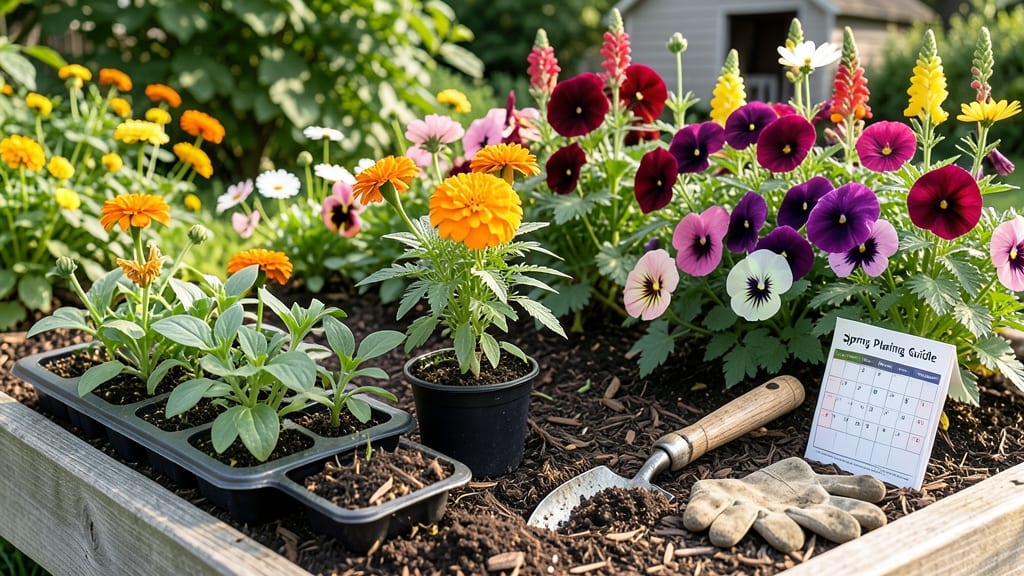
Knowing when to plant flowers in Zone 8 can mean the difference between a garden that thrives and one that fades under the relentless sun. With 240 frost-free days and temperatures that can soar, timing isn’t just about the calendar—it’s about choosing the right varieties and understanding your microclimate.
If you’ve ever watched your favorite blooms wilt before they even open, you’re not alone. The key is planting cool-season flowers like pansies in early spring or late fall, while warm-season stars like zinnias wait until after the last frost—usually mid-December to early January—to avoid heat stress.
But here’s the game-changer: not all Zone 8 gardens are created equal. Urban heat islands, wind exposure, and soil drainage can shift your ideal planting window by weeks. I’ll show you how to adjust for your specific conditions and pick the toughest flowers that actually thrive in this climate.
Ready to transform your garden into a year-round floral paradise? Let’s dive into the exact months, heat-resistant varieties, and pro tips that will keep your 🌸 blooming from spring to fall—no guesswork required.
Best months to plant flowers in Zone 8 by season (with heat-tolerant varieties)
In Zone 8, where summers can hit 90°F+ and winters rarely drop below 20°F, timing your flower plantings is everything. The key is matching heat-resistant varieties with the right seasonal windows—spring for cool-season blooms and fall for warm-season stars.
But don’t assume one-size-fits-all: annuals, perennials, and bulbs all have their own ideal planting months.
For spring planting, focus on cool-season flowers like pansies and snapdragons in January-February, while warm-season favorites (e.g., zinnias, lantana) wait until after last frost (March-April). Fall offers a second chance: marigolds and cosmos thrive when planted in September-October, beating winter’s early chill.
Here’s the seasonal breakdown with heat-tolerant varieties and their perfect planting windows to maximize blooms all year:
| Season | Planting Window | Heat-Tolerant Varieties | Key Tip |
|---|---|---|---|
| Spring | Jan-Feb (cool-season) | Pansies, Snapdragons, Sweet Alyssum | Mulch to retain moisture; avoid transplant shock. |
| Spring | Mar-Apr (warm-season) | Zinnias, Lantana, Petunias | Wait until soil warms to 60°F+. |
| Summer | Jun-Jul (direct-sow) | Marigolds, Portulaca, Sunflowers | Use shade cloth for seedlings; water deeply. |
| Fall | Sep-Oct (warm-season) | Cosmos, Dahlia, Verbena | Plant 6-8 weeks before first frost for blooms. |
| Fall | Nov-Dec (bulbs) | Tulips, Daffodils, Hyacinths | Plant in well-draining soil; mulch after frost. |
My Zone 8 garden thrives on this rhythm: spring for cool-season color, summer for heat-lovers, and fall for a second bloom before winter.
The trick? Prep soil in late winter with compost to give roots a head start, and always water deeply in the morning to combat Zone 8’s intense sun.
For annuals, like zinnias or marigolds, you can direct-sow as soon as soil is workable (60°F+). But perennials, such as black-eyed Susans, need 6-8 weeks indoors if starting from seed. Bulbs like tulips?
Plant them in November—they’ll reward you with spring blooms without summer stress.
Pro tip: Shade cloth (30-50%) can extend your planting window by 2-4 weeks in early spring or late fall, protecting delicate seedlings from extreme heat or cold snaps. I use it for petunias in May to prevent wilting before roots establish.
Don’t overlook container gardening—it’s a game-changer for Zone 8’s microclimates. Potted flowers like geraniums or begonias can be moved to shadier spots during peak afternoon sun (12 PM–4 PM), giving you flexibility
How to adjust planting times for Zone 8’s hot microclimates (urban vs. rural tips)
Zone 8’s microclimates can shift planting windows by weeks—especially when comparing urban heat islands to rural areas. In cities like Los Angeles or Atlanta, pavement and buildings trap heat, making late spring plantings riskier for heat-sensitive flowers like petunias.
Meanwhile, rural gardens with better airflow can push planting dates 2-3 weeks later without stress.
For urban gardens, start heat-tolerant annuals like lantana or celosia indoors 6-8 weeks before last frost (typically mid-March) to harden off by late April. Rural gardeners can often direct-sow these same flowers in May without transplant shock, thanks to cooler nighttime temps.
🔍 Key Adjustments for Microclimates:
- Urban areas: Plant cool-season flowers (e.g., pansies, snapdragons) 4-6 weeks earlier than rural zones.
- Rural areas: Extend summer bloomers (e.g., zinnias, marigolds) by 2 weeks later—often into early June.
- Wind exposure: Delay delicate perennials (e.g., black-eyed Susans) until after May 15 in exposed sites.
⚠️ Urban Heat Warning
If your garden is paved on 3+ sides, avoid planting heat-sensitive flowers (e.g., geraniums, impatiens) until after Memorial Day. Use shade cloth (30-50%) to protect seedlings until soil temps drop below 85°F.
Soil drainage is another microclimate game-changer. In clay-heavy rural soils, amend beds with compost and perlite to prevent root rot in summer-planted bulbs like dahlias. Urban gardeners with sandy soil should mulch heavily to retain moisture for drought-loving succulents (e.g., portulaca) planted in June-July.
For container gardening—common in urban spaces—use self-watering pots and switch to drought-resistant varieties (e.g., verbena, salvia) if planting after June 1. Containers dry out 3x faster in urban heat, so schedule watering for early morning (6-8 AM) to avoid fungal issues.
Pro tip: Monitor your local microclimate by checking soil temps with a thermometer. Aim for 60-70°F for cool-season flowers and 70-85°F for warm-season varieties. If temps exceed 90°F for 3+ days, delay seedling transplants until evening hours to reduce stress.