
Flowers
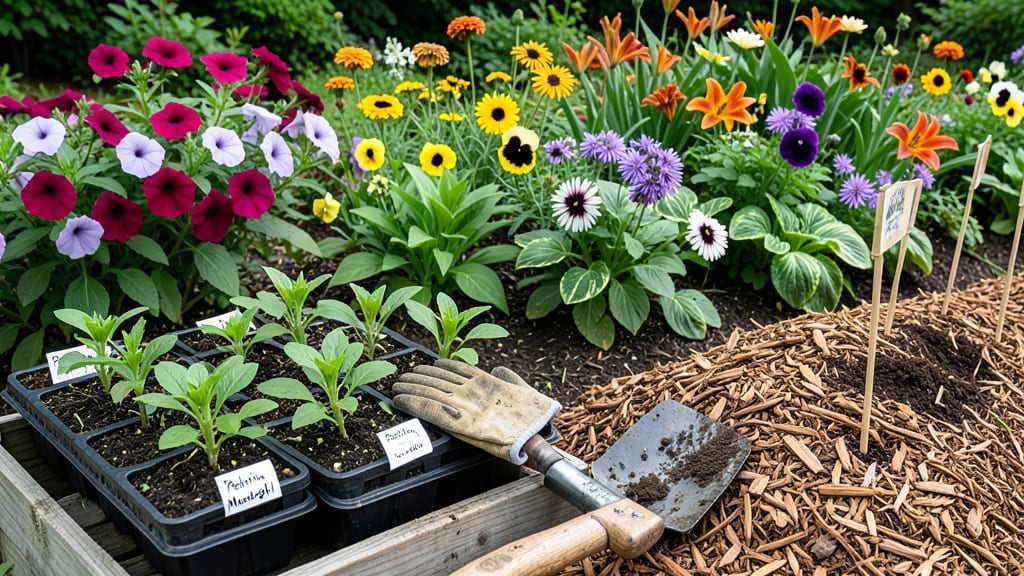
Timing your flowers' planting in Rhode Island isn't just about grabbing seeds and digging in—it's the secret to a garden that bursts with color instead of wilting before it begins. With USDA Zone 6a's unpredictable frosts and coastal breezes, getting those 🌸 in the ground at the wrong time can turn your dream garden into a sad, frost-bitten memory.
Let me save you from that heartbreak. Whether you're dreaming of bold annuals, hardy perennials, or fragrant bulbs, Rhode Island's 165 frost-free days demand precision. Plant too early, and Mother Nature's last freeze (usually around April 15) will nip your progress.
Too late, and you'll miss the sweet spot for maximum blooms before fall's chill sets in.
What if I told you there's a 3-step system to nail your planting deadlines? We'll break down exactly when to start seeds indoors, when to transplant tender annuals, and which perennials can handle Rhode Island's cool shoulders. Spoiler: Some varieties thrive when planted in late summer—yes, you read that right.
From soil prep tricks to the best late-season bloomers for your short growing window, I've got the insider tips Rhode Island gardeners swear by. Let's turn your garden from "maybe next year" to "wow, look at these flowers!" this season.
Rhode Island flower planting deadlines by type: annuals vs. perennials vs. bulbs
Rhode Island’s USDA Zone 6b means your flower planting windows are short but sweet—think April 15 to May 1 for last frost and October 15 to November 1 for first frost.
Missing these deadlines can leave your garden looking sparse. Let’s break down the exact timing for annuals, perennials, and bulbs to maximize your blooms.
Annuals like marigolds and petunias need warmth, so wait until after May 1 when soil temps hit 60°F+. Perennials, however, thrive when planted 4–6 weeks before the first frost (early September) or in early spring (March–April). Bulbs? Plant them in fall (October) for spring surprises.
Here’s a quick reference for Rhode Island’s hardiness zones 6a/6b—adjust based on your microclimate (coastal areas may have earlier last frosts than inland spots).
| Flower Type | Best Planting Window | Soil Temp Requirement | Notes for RI Gardeners |
|---|---|---|---|
| Annuals (e.g., zinnias, geraniums) | After May 1 (last frost) | 60°F+ | Use row covers if planting early. |
| Perennials (e.g., coneflowers, daylilies) | March–April or September | 45°F+ | Fall planting = stronger roots next year. |
| Bulbs (e.g., tulips, daffodils) | October (before ground freezes) | 50°F+ | Plant 6 inches deep for best results. |
For annuals, don’t rush—waiting until mid-May ensures your cosmos and sunflowers won’t bolt from cold snaps. I’ve learned this the hard way with frost-killed marigolds in past years!
Coastal areas like Newport may see last frosts as early as April 1, while inland spots like Providence might drag until May 10.
Perennials are forgiving—plant them in early spring (March) for immediate blooms or in fall (September) to establish roots before winter. My black-eyed Susans planted in September now return year after year with minimal care.
Bulbs are a fall-only affair in Rhode Island. Plant tulips and daffodils by October 15 to avoid winter heaving. Pro tip: Add a 2-inch layer of mulch after planting to insulate them from freeze-thaw cycles.
Missed the spring window? No problem! Late-summer planting (August) still works for heat-loving annuals like zinnias and portulaca. These thrive with 6+ hours of sun and well-draining soil, making them perfect for Rhode Island’s hot, humid summers.
Always check soil temperatures with a soil thermometer—aim for 60°F+ for annuals and 45°F+ for perennials. I keep one handy near my garden bed to avoid guesswork.
Remember: Rhode Island’s microclimates vary. Coastal gardens warm up faster than inland areas, so adjust your timing accordingly. For example, Block Island might be safe for early April planting, while Central Falls could still see frost in late May.
Start your flower planning now—mark your calendar for April 15 (last frost) and October 15 (first frost). With these deadlines, your garden will burst with color from spring to fall! 🌸
How to adjust planting dates for Rhode Island’s unpredictable weather patterns
Rhode Island’s coastal climate throws curveballs—late frosts in May, cooler microclimates in inland areas, and soil that warms unevenly after winter. These factors can push your planting window by 2–3 weeks if you’re not prepared.
For example, Newport’s ocean breezes delay spring warmth by 7–10 days compared to Providence’s inland heat pockets.
Don’t panic! The key is soil temperature, not just calendar dates. Use a soil thermometer ($10 at garden centers) to confirm when the top 2 inches of soil hit 50°F for annuals or 40°F for perennials.
This beats guessing—especially when April’s last frost can linger until May 1 in coastal zones.
Here’s my 3-step weather-proofing system: 1. Track frost dates via Almanac’s Frost Calculator (free online) and adjust 1–2 weeks later than average. 2. Use row covers (floating fabric) to protect seedlings if temps dip below 45°F after planting.
3. Plant “insurance crops” like bachelor’s buttons or pansies—they tolerate light frosts and buy you time.
Pro tip: Late August is your second chance for cool-season bloomers like pansies or snapdragons. These thrive when planted 6–8 weeks before frost (aim for early September) and reward you with fall color when most gardens fade.
⚠️ Late Frost Landmines in RI
Never plant tender annuals (like marigolds or petunias) before May 10 in most of RI—even if your neighbor swears their garden is “safe.” Coastal areas (e.g., Block Island) can see frost until May 20. Wait for 3 consecutive nights above 40°F before committing to heat-loving flowers.
For perennials, fall planting (September–October) is your secret weapon. The cooler soil and shorter days help roots establish before winter, so they bloom bigger next spring. Think black-eyed Susans or coneflowers—they’ll thank you with 2x the flowers the following year.
When in doubt, start seeds indoors 6–8 weeks before your target outdoor date. This gives you flexibility if Mother Nature plays tricks. For example, if you’re planting geraniums (which hate cold soil), begin them in early March under grow lights.
By late May, they’ll be bushy and ready for the garden—no frost worries!