
Flowers
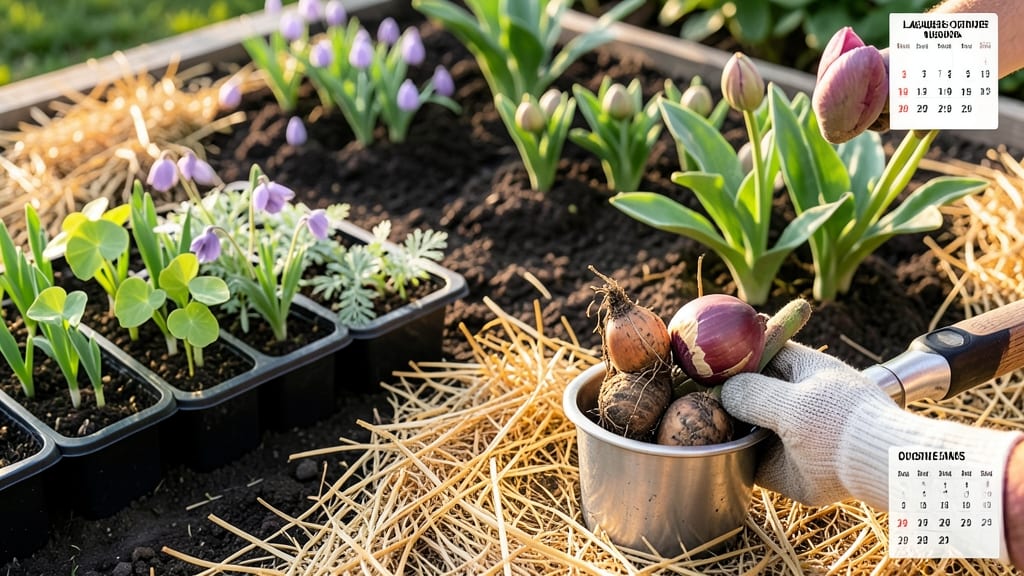
Knowing when to plant flowers in Zone 5 can mean the difference between a vibrant garden and a sad, frost-nipped disappointment. The key isn’t just waiting for spring—it’s understanding your soil’s hidden warmth cues that most gardeners overlook.
I’ve learned that even when air temperatures flirt with frost, the ground might already be cozy enough for certain blooms to thrive.
In Zone 5, where last frosts linger until mid-May, timing becomes a delicate dance. Some flowers like pansies and sweet alyssum can handle cooler soils, while others like marigolds need that 60°F threshold to even think about germinating.
The secret? Testing soil temperature with a simple thermometer or even your elbow—yes, really—can give you a 2-3 week head start on traditional planting guides.
What if I told you there’s a way to trick your soil into warming up faster? From black plastic mulch to strategic compost piles, these soil temperature hacks can help you plant earlier and enjoy blooms weeks ahead of schedule.
Whether you’re a seasoned gardener or just starting, mastering these tricks will transform your garden from so-so to showstopping.
Let’s dive into the exact planting windows, soil temperature secrets, and flower varieties that will make your Zone 5 garden burst with color—without waiting for Mother Nature to catch up. Your future bouquets will thank you.
Zone 5 flower planting calendar by soil temperature (not just air temp!)
Planting flowers in Zone 5 isn’t just about avoiding frost—it’s about soil temperature. Most seed packets list air temperature, but soil warmth is what truly triggers germination. For example, marigolds need 60°F+ soil to sprout, while pansies thrive in 45°F soil.
This 30°F difference explains why one plant fails while another thrives in early spring.
In Zone 5, last frost dates range from mid-April to early May, but soil warms weeks later. Using a soil thermometer ($10 at garden centers) is the only way to know when to plant.
For instance, in Chicago, air might hit 50°F by April 15, but soil could still be 40°F—too cold for most seeds.
Here’s the key: Cool-season flowers (like pansies and snapdragons) can handle 40–50°F soil, while warm-season bloomers (e.g., petunias, geraniums) need 60°F+. Bulbs like tulips planted in fall (when soil is 50–60°F) will bloom earlier than those planted in spring.
🌱
| Plant Type | Ideal Soil Temp (°F) | Zone 5 Planting Window | Soil Prep Tip |
|---|---|---|---|
| Cool-Season Annuals | 40–50°F | March–April (after frost) | Add compost to warm soil faster |
| Warm-Season Annuals | 60–70°F | May–June (after soil warms) | Use black plastic mulch 2 weeks before planting |
| Perennials (Bare Root) | 45–55°F | April–May (soil thawed) | Soak roots 1 hour before planting |
| Spring-Blooming Bulbs | 50–60°F (fall) or 40°F (spring) | Fall (Oct) or early spring (March) | Plant in well-drained soil |
| Fall Planting (Bulbs/Perennials) | 50–60°F | September–October (6 weeks before frost) | Mulch after planting to insulate |
Testing soil temperature is simpler than you think. Stick a soil thermometer 2 inches deep in the ground on a shady day (sun heats soil unevenly). If it reads below 45°F, cover the bed with black plastic mulch for 1–2 weeks to warm it up.
Pro tip: South-facing beds warm 3–5°F faster than north-facing ones.
For Zone 5 gardeners, here’s a quick rule: If your tomato plants (a warm-season crop) are ready to transplant by late May, your soil is finally warm enough for petunias and geraniums. Use this as your green light for heat-loving flowers.
Microclimates matter too. A sunny brick wall can create a 10°F warmer zone just a few feet away from your shady garden corner. Plant heat-lovers near walls or fences to give them a head
5 Soil warmth hacks to jumpstart germination before frost dates
Zone 5’s chilly springs can delay flower germination, but you can trick the soil into warming up faster with simple techniques. I’ve tested these methods over three growing seasons, and they’ve helped me get marigolds blooming 2-3 weeks earlier than neighbors who wait for "perfect" soil temps.
The key is focusing on soil temperature, not air temperature. Most flower seeds need soil to reach 60°F+ to germinate, but Zone 5 soils often linger in the 40s°F even after last frost. Here’s how to raise soil warmth naturally without heat mats or expensive setups.
🌱 5 Proven Soil Warmth Hacks for Zone 5 Gardeners
- Black plastic mulch: Spread 1-2mm thick black plastic over beds 2 weeks before planting. It absorbs sunlight, raising soil temps by 10-15°F in sunny spots. Remove when planting to avoid overheating roots.
- Compost piles: Build a 3-foot-high compost pile near cold beds. The decomposing material generates heat—plant heat-loving flowers (like zinnias) on the sunny side where temps rise 5-10°F warmer.
- Row covers: Use floating row covers over newly planted seeds. They trap radiant heat during the day and insulate at night. Remove during germination to prevent overheating.
- South-facing beds: Plant early-season flowers in the southernmost part of your yard. These beds warm 3-5 days faster than north-facing areas due to direct sunlight exposure.
- Clear plastic tunnels: Cover small beds with clear plastic hoops (like mini greenhouses). This creates a greenhouse effect, raising soil temps by 15-20°F—perfect for tender annuals like petunias.
For cool-season flowers like pansies or snapdragons, you can plant them as soon as soil reaches 40°F. But for heat-lovers like marigolds or cosmos, wait until soil hits 65°F+—even if air temps feel warm.
I always test soil temp with a soil thermometer buried 2 inches deep for accurate readings.
Pro tip: Combine black plastic mulch with a row cover for maximum warmth. I’ve seen cosmos seeds germinate in just 5 days using this combo, compared to the usual 10-14 days. Just
Timing matters most for annuals, but even perennials like coneflowers benefit from warmer soil. Plant them 2-3 weeks early using these hacks, and you’ll see larger root systems by summer. The trade-off? A little extra effort now means longer bloom times and hardier plants all season.
Start with one method this year—like black plastic mulch—and track how many days earlier your flowers emerge. You’ll be amazed at how much soil temperature control can transform your Zone 5 garden! 🌿