
Flowers
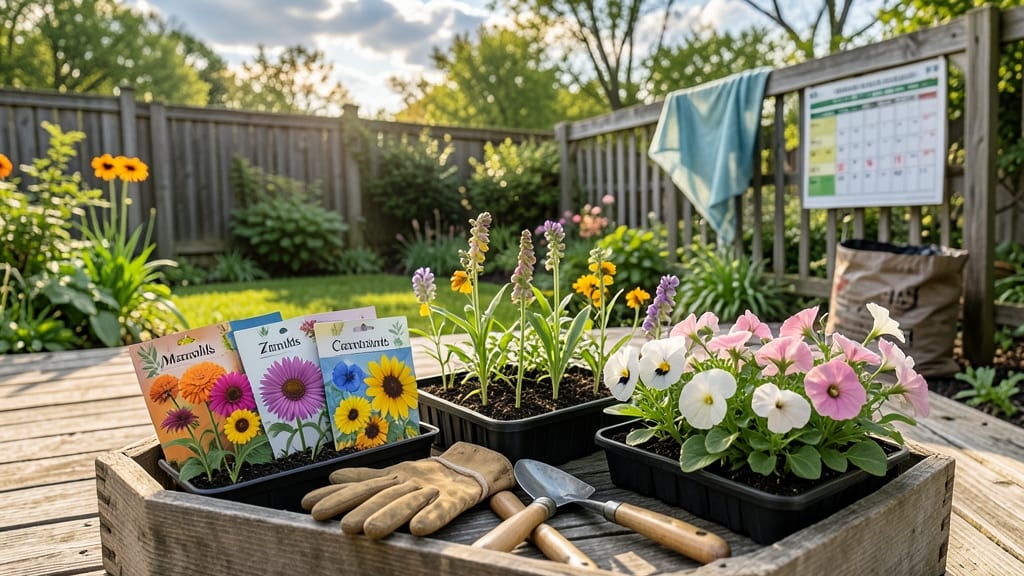
Timing your flower seeds planting in Minnesota can mean the difference between a vibrant garden and a sad, frost-killed disappointment—but don’t worry, I’ve got you covered. With hardiness zones 3-5 and unpredictable frost dates, knowing the perfect windows for planting is the secret to success.
Whether you're dreaming of cosmos blooming in June or marigolds brightening up fall, getting the timing right ensures your garden thrives all season long.
Most gardeners in Minnesota start planting 🌸 flower seeds after the last frost, typically between April and June, but there’s more to it than just waiting for the calendar to flip.
Cold-hardy annuals like snapdragons can handle early starts, while heat-lovers like zinnias need to wait until the soil warms up. I’ll break down exactly when to plant each type, so you can avoid the common mistakes that leave gardens looking sparse.
Did you know you can also extend your blooming season by planting a second round in July or August? This trick works especially well for fall-blooming varieties like asters and chrysanthemums, giving you color well into October.
Plus, I’ll share my go-to tips for starting seeds indoors to give your flowers a head start—no more guessing games about frost dates!
Ready to transform your Minnesota garden into a year-round display of color? Let’s dive into the exact planting schedule, from frost-resistant favorites to late-season winners, so you can enjoy blooms from spring through fall. Trust me, your future self will thank you for these simple but powerful strategies.
Minnesota flower seed planting calendar by hardiness Zone (3-5)
Minnesota’s hardiness zones 3-5 create unique challenges for flower seed planting, but with the right timing, you can enjoy long-lasting blooms even in short growing seasons. The key is understanding your last frost dates, which vary dramatically from northern Minnesota (Zone 3a) to southern Minnesota (Zone 5a).
For example, Zone 3a typically sees its last frost around May 15-20, while Zone 5a averages May 5-10—a difference of nearly two weeks that can make or break your planting schedule.
Most annual flower seeds should be planted after your area’s last frost date, but some cold-hardy varieties can handle light frosts. Perennials, on the other hand, often benefit from early spring sowing or even fall planting for better root establishment.
To simplify, I’ve broken down the best planting windows by zone, including indoor seed-starting tips for early blooms and direct-sowing guidelines for heat-loving flowers.
🌱 PRO TIP: Use a frost date calculator (like the one from the National Weather Service) to pinpoint your local averages—this is especially critical for Zone 4a/4b gardeners, where frost can linger into early June.
🌸 Minnesota Flower Seed Planting by Zone
| Zone | Last Frost Date | Indoor Start (6-8 wks before last frost) | Direct Sow After Frost | Fall Planting (for perennials) | Heat-Tolerant Varieties |
|---|---|---|---|---|---|
| 3a (Northern MN) | May 15-20 | March 15-April 1 | May 21-June 10 | August 15-Sept 15 | Cosmos, Zinnias, Marigolds |
| 4a (Central MN) | May 1-10 | March 1-April 15 | May 11-June 5 | August 1-Sept 10 | Sunflowers, Snapdragons, Nasturtiums |
| 4b (Southern MN) | April 25-May 5 | February 25-April 10 | May 6-May 20 | July 20-Sept 5 | Petunias, Vinca, Celosia |
| 5a (Southeast MN) | April 15-25 | February 15-March 30 | April 26-May 10 | July 10-August 31 | Geraniums, Salvia, Portulaca |
*Direct sow cold-hardy perennials like black-eyed Susans or coneflowers as early as April 1 in all zones for earlier blooms.
For Zone 3a gardeners, the window between last frost and first heatwave is tight—often just 6-8 weeks. That’s why I recommend prioritizing fast-growing annuals like cosmos or marigolds, which can go from seed to bloom in 60 days or less.
In Zone 5a, you’ve got a bit more flexibility, but don’t wait too long—temperatures above 85°F can stress young seedlings, even for heat-tolerant varieties.
If you’re planting perennials, consider a two-part strategy: sow half your seeds indoors in early spring and the other half directly in the garden in early summer. This ensures you have blooms in both early and late season.
For example, bee balm and Russian sage thrive with this approach, giving you continuous color from June to September.
One of my biggest mistakes was waiting until after Memorial Day
How to extend your Minnesota flower season with smart planting tricks
Minnesota’s short growing season doesn’t have to limit your flower garden’s beauty. With the right techniques, you can stretch blooms from early spring to late fall—even in hardiness zones 3-5.
The secret lies in indoor seed starting, succession planting, and protecting tender plants from late frosts. Let’s explore how to maximize your garden’s potential without sacrificing hardiness or color.
Start by planning your seed-starting schedule indoors. For frost-sensitive flowers like petunias or geraniums, begin seeds 6-8 weeks before your last frost date (typically mid-April for most of Minnesota). Use grow lights or a sunny windowsill to ensure strong seedlings.
This head start gives you a 4-6 week advantage over direct-sown flowers, pushing your first blooms to appear weeks earlier.
🌱
- 1. Start cold-hardy annuals like cosmos and marigolds directly in late April—they tolerate light frosts. Use row covers for extra protection if needed.
- 2. Use succession planting for fast-growing annuals like zinnia or bachelor’s buttons. Sow new seeds every 2-3 weeks from May to July to ensure continuous blooms.
- 3. Plant heat-tolerant varieties like sunflowers or celosia in late June for a summer-to-fall display. These thrive in Minnesota’s hotter months and often rebloom after deadheading.
- 4. Extend late-season blooms by deadheading spent flowers on perennials like black-eyed Susans or coneflowers. This encourages new growth and often delays frost damage by 2-4 weeks.
- 5. Protect tender plants with frost cloths or mini greenhouses during late-spring or early-fall frosts. Even a light frost can damage tropical flowers like impatiens, so plan ahead!
Don’t overlook the power of perennial flowers for long-term color. Plant hardy perennials like daylilies or bee balm in early spring—they’ll return year after year with minimal effort. These plants often bloom earlier in spring and later in fall than annuals, filling gaps in your garden’s timeline naturally.
For a foolproof late-summer garden, try direct sowing heat-loving annuals in early July. Varieties like portulaca or garden zinnias thrive in Minnesota’s summer heat and often continue blooming until the first hard frost in October.
Pair them with drought-tolerant perennials like sedum or Russian sage to reduce watering needs during dry spells.
With these tricks, your Minnesota flower garden can burst with color from May through October—no guessing games required! Start small with one or two techniques, then expand as you gain confidence.
Before you know it, your neighbors will be asking for your secrets to a long-blooming, frost-proof garden. 🌼