
Flowers
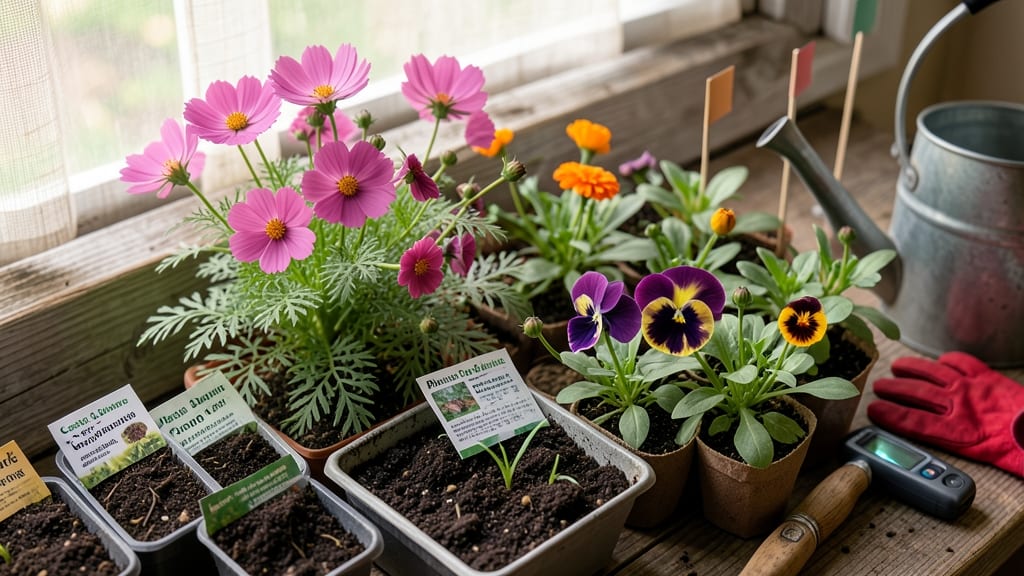
Timing your flower seeds planting in Massachusetts is the secret weapon behind a showstopping garden—get it right, and you’ll enjoy vibrant blooms from spring through fall.
With USDA zones 5b-6b and frost dates that shift yearly, knowing exactly when to sow can mean the difference between a thriving garden and wasted effort.
Most gardeners in Massachusetts plant 🌸 flower seeds between March and May for spring blooms, but the real magic happens when you account for your specific region’s last frost date. Whether you’re growing hardy perennials or delicate annuals, understanding these windows ensures your seeds get the perfect start.
I’ll break down the ideal planting months for different flower types—from cool-season favorites like pansies to heat-loving zinnias—so you can avoid common mistakes and maximize your garden’s potential. Ready to transform your outdoor space into a floral paradise?
Let’s dive into the exact timing and tips tailored for Massachusetts gardeners, so you can plant with confidence and enjoy a garden that blooms all season long.
Massachusetts frost dates & ideal planting windows for flower seeds
Massachusetts' USDA zones 5b-6b mean your flower seeds face last frost dates between mid-April and early May, depending on your region. Boston typically sees its last frost around April 20, while western MA (like Springfield) can be 1-2 weeks earlier.
Worcester falls in between. These dates dictate when you can safely plant heat-loving annuals like zinnias and marigolds outdoors.
For cool-season flowers such as pansies and snapdragons, you can start seeds indoors in February or direct-sow in March—they tolerate light frosts. The key is understanding your microclimate: valley areas frost later than hilltops.
Check the National Weather Service or local gardening groups for real-time updates each year, as frost dates shift slightly annually.
| Region | Last Frost Date | Ideal Planting Window | Flowers to Start Indoors |
|---|---|---|---|
| Boston | April 20 | May 1 - May 15 | Tomatoes, Peppers, Marigolds |
| Worcester | April 15 | April 25 - May 10 | Zinnias, Sunflowers, Basil |
| Springfield | April 10 | April 20 - April 30 | Cosmos, Nasturtiums, Petunias |
| All Regions | First Frost: Oct 15 | Aug 15 - Sept 15 (fall) | Pansies, Kale, Aster |
Perennials like black-eyed Susans and coneflowers can handle direct sowing in early spring (March) or even fall planting (September). These hardy varieties establish roots before winter, giving them a head start.
For biennials such as foxgloves, sow seeds in late summer (August) so they germinate and grow a basal rosette before dormancy.
Heat-loving flowers like geraniums and salvias need soil temps above 60°F to germinate. Use a soil thermometer to check—if it’s cooler, wait or start them indoors under grow lights. Succession planting every 2-3 weeks after your last frost ensures continuous blooms all summer.
For fall bloomers, calculate 4-6 weeks before your first frost date (typically mid-September) to plant seeds like asters or chrysanthemums. These varieties thrive with cooler temps and shorter days, making them perfect for extending your garden’s season into autumn.
If you’re unsure about your exact frost dates, use the "10-day rule": wait until you’ve had 10 consecutive frost-free days before planting tender annuals. This gives your seedlings time to harden off and establish without damage from unexpected cold snaps.
Pro tip: Hardening off seedlings for 7-10 days before transplanting—by gradually exposing them to outdoor conditions—boosts their survival rate by 30%. Start with 2 hours/day in shade, then increase exposure and sun time.
Remember, soil temperature matters more than air temperature. A 50°F soil can delay germination by weeks, even if air temps are warm. Use black plastic mulch to warm soil faster in early spring for faster sprouting.
For container gardening, plant heat-loving flowers 1-2 weeks later than in-ground plants, as pots cool faster. Place containers in sheltered spots or near south-facing walls to protect them from late frosts.
Best flower seed varieties to plant by month in Massachusetts
Massachusetts gardeners can enjoy year-round blooms by planting flower seeds at the right time. March kicks off the season with cool-season flowers like pansies and snapdragons, while May brings heat-loving zinnias and cosmos. Each month offers unique opportunities for vibrant gardens—let’s break it down!
For early spring planting (March-April), hardy annuals like pansies, sweet alyssum, and calendula thrive when sown indoors 6-8 weeks before last frost. These flowers tolerate light frosts and brighten up early gardens. Meanwhile, perennials like coneflowers and black-eyed Susans can be started indoors in March for transplanting after frost.
May is prime time for summer-blooming annuals like zinnias, sunflowers, and cosmos. These heat-lovers need full sun and well-draining soil to thrive. For longer blooms, succession plant every 2-3 weeks—this ensures continuous color from June through frost.
Don’t overlook fall planting (August-September)! Cool-season flowers like pansies, sweet peas, and calendula can be sown directly in late summer for stunning autumn gardens. These varieties handle cooler temperatures and even light frosts, making them perfect for extending your season.
For indoor starts, begin sowing seeds 6-8 weeks before the recommended outdoor planting date. Use grow lights for 12-16 hours daily to ensure strong seedlings. Hardy perennials like black-eyed Susans and coneflowers can handle being planted earlier, even in late winter under protection.
Pro tip: Always check seed packet instructions for specific depth and spacing. Overcrowding leads to weak plants, while proper spacing ensures airflow and reduces disease risk. Happy planting—your Massachusetts garden will thank you! 🌸