
Vegetables
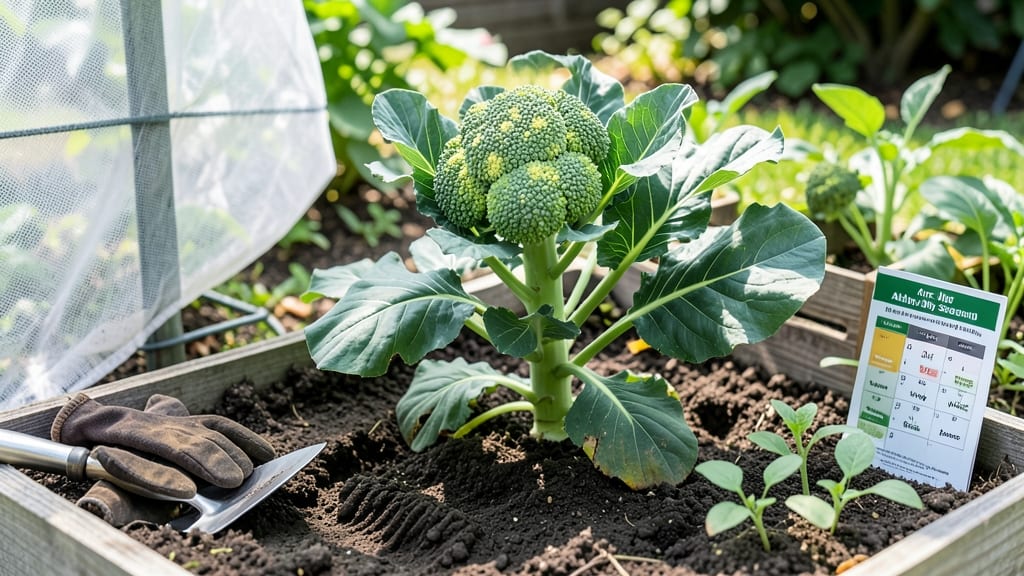
Knowing when to plant fall vegetables in Ohio can mean the difference between a thriving garden and a frost-killed crop—especially when Ohio’s unpredictable fall weather swings from warm sunshine to sudden chills.
If you’ve ever watched your hard work wither overnight, you’re not alone, but timing your plantings just right can save your harvest.
Ohio’s USDA Zone 6a climate gives you a narrow window—typically between mid-August and mid-September—to get seeds in the ground for hearty greens like kale, spinach, and carrots.
The key is planting 4-6 weeks before the first frost, which usually hits around October 15, so your veggies mature before winter sets in.
This guide breaks down the exact soil warmth and frost date guidelines for your Ohio region, whether you’re in the colder northwest or the milder southeast.
You’ll learn which crops thrive in fall’s cooler temps, how to extend your harvest with row covers, and the common mistakes that trip up even experienced gardeners.
Ready to turn Ohio’s fall into a harvest goldmine? Let’s get your garden prepped for a season of crisp, flavorful 🥬 vegetables that’ll last well into winter.
Ohio fall planting timeline: frost dates & soil temperature zones
Ohio’s fall frost dates vary dramatically by region, with northern areas like Toledo and Cleveland typically seeing frost by October 15, while southern areas like Cincinnati and Columbus may delay until mid-November.
To plan your fall vegetable garden successfully, you’ll need to work backward from these dates—most cool-season crops need 4-6 weeks to mature before frost hits.
Soil temperature is just as critical as frost dates. Cool-season vegetables like spinach and kale thrive when soil temps drop to 45-55°F, while root crops such as carrots and radishes prefer 50-65°F.
Ohio’s USDA Zone 5b-6a means soil cools faster in rural areas than in urban heat islands, so adjust your planting schedule accordingly.
Here’s how Ohio’s five key regions break down for fall planting:
Urban gardeners in cities like Columbus or Cincinnati often experience microclimates that delay frost by 1-2 weeks due to concrete and buildings trapping heat. Use a local weather station or Almanac’s frost calculator to fine-tune your schedule.
For example, if your neighborhood averages frost on October 25, aim to plant leaf lettuce by September 10 to ensure a harvest before the cold sets in.
To test soil temperature, bury a soil thermometer 2 inches deep in your garden bed. If temps drop below 45°F, cover seeds with a lightweight row cover to maintain warmth. Peas and spinach can handle cooler soils, but broccoli and cauliflower need at least 50°F to germinate properly.
Pro tip: Direct-sow fast-growing crops like radishes and turnips in early August for a double harvest—one in late summer and another in fall. Slow growers like kale or Swiss chard should go in by mid-September to mature before frost.
Always check seed packets for days to maturity and adjust your planting date accordingly.
Mistake to avoid: Planting warm-season crops like tomatoes or peppers in fall—these need 70°F+ soil and won’t survive Ohio’s early frosts. Stick to cool-season varieties designed for fall harvests, such as ‘Winter Density’ kale or ‘Rainbow Carrot’ mixes, which thrive in cooler temps.
For container gardeners, use black plastic pots to absorb heat and extend the growing season by 2-3 weeks. Place containers near south-facing walls or under cloche covers to shield delicate plants from chilly nights. With the right timing, you can enjoy fresh harvests well into December!
Best fall vegetables to plant in Ohio by maturity timeline
Ohio’s cool fall temperatures create the perfect conditions for growing cold-hardy vegetables. The key to success lies in matching your planting dates with each crop’s maturity timeline.
Fast-growing varieties like radishes can be sown as late as September 15th, while slower growers like broccoli need to be in the ground by mid-August.
For Ohio gardeners, I recommend categorizing your fall crops into three groups: fast-maturing (30-50 days), medium-maturing (50-70 days), and slow-maturing (70+ days). This approach ensures you’ll have fresh harvests from October through December, even as temperatures drop.
Fast-maturing varieties like spinach, lettuce, and radishes are ideal for late-season plantings. These crops can handle light frosts and often taste sweeter after a light freeze. For example, ‘Bloomsdale Long Standing’ spinach matures in just 40 days and thrives when planted in late August or early September.
Medium-maturing crops such as kale, carrots, and Swiss chard strike a balance between early and late plantings. These vegetables need 50-70 days to reach harvest and should be sown 4-6 weeks before your first frost date. In most of Ohio, that means mid-August to early September. For instance, ‘Napa’ cabbage matures in 60 days and does well when planted by August 15th.
Slow-maturing varieties like broccoli, Brussels sprouts, and cauliflower require the earliest plantings. These crops need 70+ days to mature, so they must be in the ground by mid-August at the latest. ‘Waltham 29’ broccoli, for example, takes 75 days to harvest and should be started indoors in late July for a fall crop.
Don’t forget to adjust your planting schedule based on your specific Ohio region. Southern Ohio’s warmer microclimates (like Cincinnati) allow for slightly later plantings, while northern areas (like Cleveland) may need to start earlier.
Always check your local frost dates and aim to harvest your crops before hard frosts hit in late October or November.
For container gardeners, prioritize compact varieties like ‘Baby Bok Choy’ or ‘Little Gem’ lettuce, which mature quickly and thrive in 5-gallon pots. These can be planted as late as September 1st and harvested before frost.
With the right timing and variety selection, your Ohio fall garden can produce abundant harvests well into winter!