
Plants
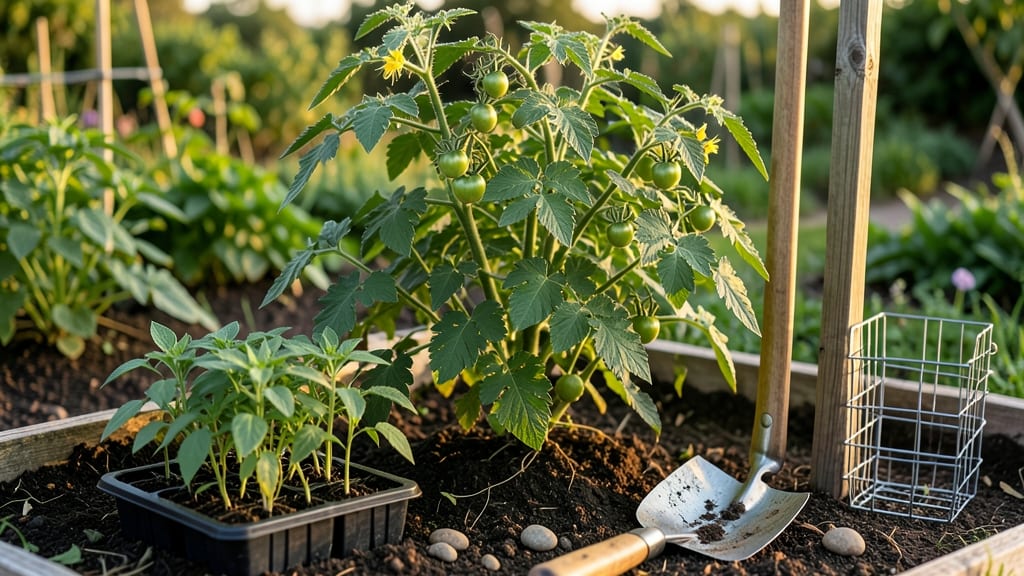
Timing when to plant fall tomatoes in North Texas is the difference between a bumper crop of juicy 🍅 and a sad, wilted disappointment. The 8a zone has strict deadlines—miss them, and summer’s lingering heat or early frost will sabotage your harvest before it even starts.
Most gardeners here assume "fall" means planting whenever it feels cooler, but that’s a recipe for failure. The key is understanding your heat zone’s unique window: transplants go in by late August, while seeds can wait until early September.
Why? Because tomatoes hate summer’s brutal heat, but they also need 60-90 days to mature before frost hits around mid-November.
I’ve grown tomatoes in North Texas for years, and the secret weapon isn’t just the calendar—it’s prep work. Soil temperature, heat-tolerant varieties, and even watering schedules change everything. Let me walk you through the exact steps to time your planting for a harvest that lasts from October straight through December.
Ready to beat the heat and the frost? You’ll learn which tomato varieties thrive in Zone 8a, how to stretch your growing season, and the 3 biggest mistakes that kill fall crops here. Let’s get those seeds in the ground the right way.
North Texas fall tomato planting deadlines by heat zone 8b variety
North Texas' Heat Zone 8b climate demands precise timing for fall tomatoes—miss the window, and you risk either scorched seedlings or frost-killed harvests.
The key is planting heat-tolerant varieties like 'Solar Fire' or 'Celebrity' between mid-August and early September for transplants, or late September to early October for direct sowing.
For transplants, aim for a 4-6 week growth window before the average first frost (Nov 15). This means your last transplant date should be no later than early October. Direct-sown seeds take longer—plant them by mid-September to ensure maturity before frost.
Soil temperature is critical—ideal soil temps for germination are 70-85°F. In North Texas, this typically aligns with late August to early September. Use a soil thermometer to confirm before sowing seeds or transplanting.
Here’s the breakdown for Heat Zone 8b varieties, including last call dates and harvest windows:
| Variety | Transplant Window | Direct Sow Window | Days to Maturity | Harvest Window |
|---|---|---|---|---|
| Solar Fire | Aug 15–Sep 15 | Sep 15–Oct 1 | 60–70 days | Oct 15–Dec 1 |
| Celebrity | Aug 20–Sep 10 | Sep 10–Sep 25 | 70–80 days | Oct 1–Nov 15 |
| Better Boy | Aug 25–Sep 5 | Sep 5–Sep 20 | 75–85 days | Oct 15–Dec 1 |
| Mountain Merit | Sep 1–Sep 15 | Sep 15–Oct 1 | 65–75 days | Oct 10–Nov 10 |
Choose determinate varieties (like 'Mountain Merit') for earlier harvests, or indeterminate types (like 'Better Boy') if you want a prolonged harvest—but be prepared to protect them with row covers as temps drop.
Pro tip: Hardening off transplants for 7–10 days before planting reduces shock. Acclimate them to North Texas sun and wind by gradually increasing outdoor exposure.
For direct sowing, use biodegradable pots to avoid transplant shock. Plant seeds ½ inch deep and keep soil moist until germination (typically 7–14 days in warm conditions).
Always check the 10-day forecast before planting—if a cold snap is predicted, delay until temps stabilize. Frost-sensitive tomato varieties won’t survive below 32°F, so plan accordingly.
🌱
How to extend your fall tomato season in North Texas without frost damage
North Texas’s first frost typically arrives around November 15, but with the right strategies, you can keep your tomato plants producing well past that date. The key is combining heat-resistant varieties, season-extending tools, and smart succession planting to maximize your harvest before winter sets in.
Start by selecting late-season varieties like 'Solar Fire' or 'Mountain Merit', which thrive in cooler temperatures. These varieties can handle 50°F nights and still produce fruit, giving you a 4-6 week extension on your harvest window.
Here’s how to push your fall tomato season to its limits:
- 1 Use row covers to protect plants from light frosts (28-32°F). These lightweight fabrics trap heat during the day and insulate at night, buying you 2-3 extra weeks of growing time.
- 2 Succession plant every 2 weeks from mid-August to early October. This staggered approach ensures a continuous harvest as older plants mature while newer ones take over.
- 3 Set up cold frames over your tomato plants in late October. These low-cost structures can raise soil temperatures by 5-10°F, protecting roots and allowing plants to keep producing until mid-December in mild years.
- 4 Mulch heavily with straw or leaves to insulate soil and retain moisture. A 4-inch mulch layer can prevent soil temperature swings that stress tomato roots during cool nights.
- 5 Water deeply in mornings to reduce fungal risks from evening moisture. Aim for 1-2 inches per week, focusing on the root zone rather than overhead spraying.
- 6 Prune aggressively in late September to redirect energy to fruit production. Remove suckers and lower leaves to improve airflow and reduce disease pressure as temperatures drop.
- 7 Harvest green tomatoes if frost threatens. They’ll ripen indoors on a cool countertop (60-70°F) in 1-3 weeks using a paper bag trick—place tomatoes in a bag with a banana or apple for ethylene gas.
Don’t forget to monitor weather forecasts closely in October. If a hard frost (below 28°F) is predicted, rush to harvest any remaining fruit or cover plants with blankets or tarps secured with bricks. With these techniques, I’ve kept my tomato plants producing well into December in North Texas!
Pro tip: Pair your fall tomatoes with cold-hardy companions like kale or spinach to maximize your garden’s late-season productivity. These plants thrive in cooler weather and won’t compete for resources with your tomatoes.
🌿