
Plants
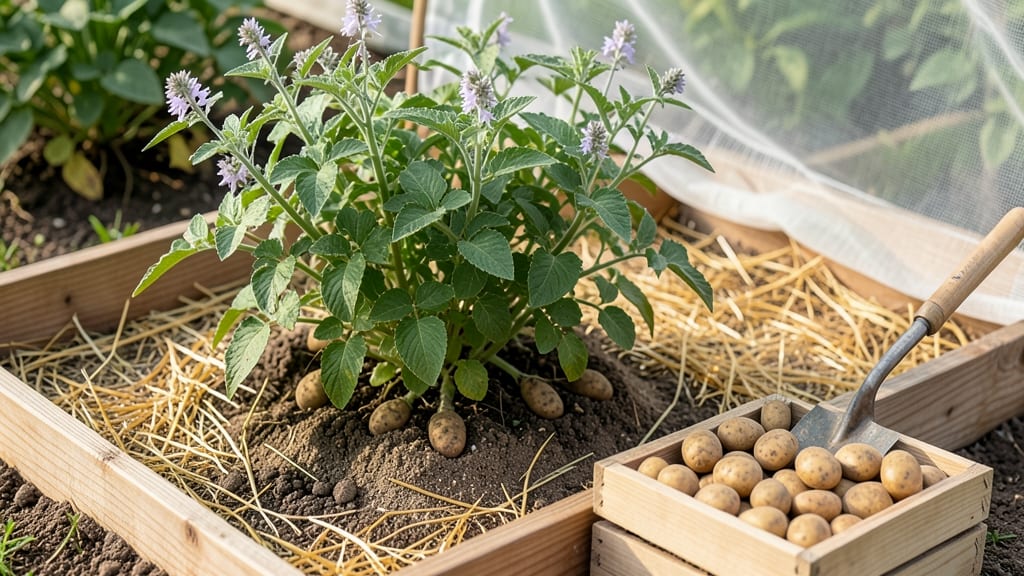
If you’ve ever tried to figure out when to plant fall potatoes in Zone 8 only to watch them bolt in summer heat or rot before harvest, you’re not alone.
The key to success lies in nailing the fall planting window—and it’s not as simple as throwing seed potatoes into the ground when the weather cools.
Timing is everything when growing potatoes in Zone 8’s warm climate. Plant too early, and the summer sun will send your tubers flowering instead of forming. Too late, and frost will steal your harvest before you even get a chance to dig.
But get it right, and you’ll enjoy tender, pest-free spuds long after summer gardens have gone to seed.
I’ll show you exactly when to plant for a frost-free harvest, which fast-maturing varieties thrive in Zone 8’s short fall season, and how to prepare your soil for maximum yields.
Whether you’re a first-time gardener or a seasoned green thumb, these tips will help you avoid common mistakes and extend your harvest well into winter.
Ready to transform your fall garden? Let’s dive into the science-backed timing that’ll give you potatoes so good, you’ll forget they’re even seasonal.
Optimal planting windows for fall potatoes in Zone 8 (with exact dates)
Fall potatoes in Zone 8 thrive when planted 4-6 weeks before your first frost date. For most Zone 8 regions, this means aiming for mid-August to early September, though exact timing varies by subregion.
The key is balancing soil temperatures (55–70°F) and daylength to prevent bolting or frost damage.
In Southern California, where frost arrives later (often December–January), you can push planting to late September. Meanwhile, in Texas Hill Country or Florida’s transition zones, cooler nights in early August may be ideal. Always check your local frost dates—they’re your planting deadline.
Soil temperature is non-negotiable: below 50°F stunts growth, while above 75°F triggers bolting. Use a soil thermometer to confirm readiness. My rule? Plant when daytime highs are 80–85°F and nighttime lows drop to 60°F.
Here’s the Zone 8 fall potato timeline broken down by region:
| Region | Planting Window | First Frost | Days to Harvest |
|---|---|---|---|
| Southern California | Late August–early September | December–January | 90–110 days |
| Texas Hill Country | Early–mid August | November–December | 80–100 days |
| Florida Transition Zones | Mid–late August | December–January | 90–120 days |
| General Zone 8 | Mid-August–early September | November 15 (avg.) | 90–120 days |
Pro tip: Black plastic mulch warms soil faster, letting you plant 1–2 weeks earlier in cooler microclimates. Just remove it 4 weeks before harvest to avoid tuber discoloration. I’ve used it in Zone 8a to shave off critical growing time.
For extended harvests, stagger plantings every 2 weeks in late August. This ensures a steady supply of new potatoes (harvested at 60 days) and storage spuds (harvested at 90–120 days). Just mark your calendar: harvest begins in late October for early plantings!
Watch for daylength sensitivity—longer days in September can trigger bolting. If your plants start flowering early, opt for shorter-day varieties like ‘Red LaSoda’ or ‘Kennebec’. These stay focused on tubers, not seeds.
Finally, soil prep is your secret weapon. Zone 8 soils often compact in summer—amend with compost or aged manure to improve drainage. Aim for a pH of 5.0–6.5; test kits are cheap and save you from blossom-end rot later.
Timing isn’t just about dates—it’s about reading your microclimate. Start with these windows, then adjust based on your yard’s frost history and soil warmth. With practice, you’ll nail that frost-free harvest every time. 🌱
Optimal planting windows for fall potatoes in Zone 8 (with exact dates)
Timing is everything when planting fall potatoes in Zone 8, where summer heat and early frosts demand precision. Aim to plant 4-6 weeks before your first frost date—typically between mid-August and early September—to ensure a harvest before winter sets in.
This window balances soil warmth (ideal: 55–70°F) and daylight length, preventing early bolting or frost damage.
Zone 8’s diverse microclimates mean your exact dates may vary. For example, Southern California might plant until late September, while Texas Hill Country should start by early August. Check your local frost-free days (typically 210 days in Zone 8) and adjust accordingly.
Planting too late risks stunted tubers, while early planting can lead to heat stress or pest pressure.
🌱 Key Tip: Use a soil thermometer to confirm temperatures are consistently above 55°F before planting. Cool soil slows germination, delaying your harvest window.
| Region | Ideal Planting Window | First Frost Date | Days to Harvest |
|---|---|---|---|
| Southern California | Late August–Early October | November 15–December 15 | 90–120 days |
| Texas Hill Country | Early August–Mid-September | November 1–December 1 | 80–100 days |
| Florida Transition Zones | Mid-August–Late September | November 10–December 10 | 90–110 days |
For reliable harvests, prioritize fast-maturing varieties (under 90 days) to account for Zone 8’s shorter fall season. Plant seed potatoes in loose, well-draining soil enriched with compost or aged manure.
Space rows 12–18 inches apart to prevent disease and improve airflow, which is critical in humid Zone 8 climates.
Extend your harvest window by using black plastic mulch to warm soil and row covers to protect against early frosts. These techniques add 2–3 weeks of growing time, ensuring tubers mature before winter. Monitor soil moisture closely—Zone 8’s dry spells can stress plants, while overwatering invites rot.
Finally, harvest before the first frost by checking for yellowing foliage or firm tubers. Dig carefully to avoid damaging spuds, then cure them in a cool, dark place for 1–2 weeks to develop skin and improve storage life.
With the right timing, you’ll enjoy homegrown potatoes long after summer’s end! 🌿