
Plants
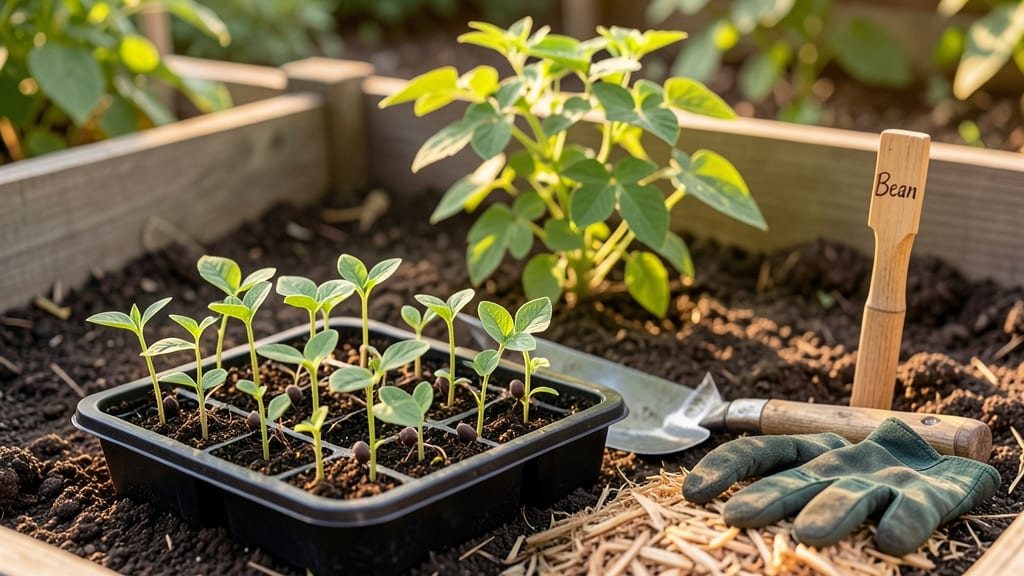
Timing your bean planting in Southern California isn’t just about following a calendar—it’s about avoiding pests and beating the heat to get that perfect harvest.
The wrong window could mean struggling with aphids or watching your plants wilt under 100°F temps, but get it right, and you’ll enjoy fresh, productive 🌱 plants all season long.
Most gardeners in zones 9b-11 know the ideal window is February-March and August-September, but the devil’s in the details. Coastal areas can handle early spring plantings, while inland deserts need to wait until soil warms to 60°F—or risk slow germination.
I’ll break down exactly how to sync your planting with Southern California’s microclimates for maximum success.
Whether you’re growing bush beans for quick harvests or pole beans for a vertical garden, the key is avoiding peak summer heat. That means skipping May-July plantings unless you’re using heat-tolerant varieties like ‘Rattlesnake’ beans.
Let’s dive into the best strategies to time your planting for a bumper crop with minimal stress.
You’ll also discover how to prep your soil, choose the right varieties, and care for your plants through Southern California’s unique growing seasons. By the end, you’ll know exactly when to plant for zero pest stress and the most flavorful harvests—no guesswork required.
Best planting months for beans in Southern California’s heat zones
Southern California’s diverse microclimates—from coastal Los Angeles to desert Palm Springs—create unique challenges for bean growers. Unlike northern climates, we don’t have to worry about frost, but heat stress and pest pressure shift planting windows dramatically.
The key? Plant when soil temperatures hover around 60-70°F and avoid the peak summer heat (June-August) that can stunt growth.
For most of Southern California (USDA zones 9b-11), the sweet spot is late winter to early spring (February-March) for bush beans and late summer (August-September) for pole beans.
Coastal areas like Santa Barbara can plant slightly earlier (January-February), while inland deserts like Riverside should wait until March-April to avoid extreme heat.
Why this timing? Early spring provides cooler soil temps and lower pest activity, while fall planting lets beans mature before hot September days arrive. Skip summer planting unless you’re using heat-tolerant varieties—most beans bolt (flower prematurely) when soil temps exceed 85°F.
| Zone/Region | Best Planting Window | Soil Temp Threshold | Harvest Window | Key Consideration |
|---|---|---|---|---|
| Coastal (LA, Santa Barbara) | Jan 15 - Mar 15 | 60-68°F | May - June | Cool nights, low pest pressure |
| Inland (San Bernardino) | Mar 1 - Apr 15 | 65-72°F | Jun - Jul | Avoid May heat; mulch heavily |
| Desert (Palm Springs) | Mar 15 - Apr 30 | 70-75°F | Jul - Aug | Use shade cloth; plant near water |
| All Regions (Fall) | Aug 1 - Sep 15 | 60-68°F | Oct - Nov | Escape summer heat; cooler nights |
For bush beans, aim for 50-60 days to maturity—planting in February-March ensures harvests align with cooler spring weather. Pole beans, which take 60-70 days, thrive when planted in late summer (August-September) to avoid bolting.
Pro tip: Use a soil thermometer to confirm temps—beans won’t germinate well in cold soil (<55°F) or overheated soil (>85°F).
Southern California’s long growing season (365 frost-free days in most areas) lets you try two plantings per year, but success hinges on microclimate awareness.
Coastal gardeners can squeeze in a late fall planting (October-November) for winter harvests, while desert growers should stick to spring/fall to avoid 100°F+ soil. Always rotate planting locations to prevent soil-borne diseases like root rot.
One common mistake? Planting too early in inland valleys where Santa Ana winds can dry out seedlings. Mulch with straw (2-3 inches) to retain moisture, and water deeply at the base (not overhead) to deter fungal diseases like powdery mildew.
If you’re in a high-elevation area (e.g., Big Bear), you might even try January plantings—just monitor for unusually cold snaps.
For container gardening, adjust timing by 2-3 weeks later since pots heat up faster.
Use black fabric pots to absorb heat and self-watering systems to maintain consistent moisture. Black Valentine bush beans or Kentucky Wonder pole beans are great choices for containers—they tolerate urban heat islands better than delicate varieties.
Remember: Southern California’s climate is forgiving but demanding. With the
How to avoid common bean planting mistakes in Southern California
Southern California’s perfect growing conditions for beans can backfire if you ignore key pitfalls. Overwatering during summer months or planting when soil is too cold are common mistakes that lead to poor germination and disease. Let’s break down the critical errors to avoid for a thriving bean harvest.
One of the biggest mistakes is planting beans too early in the season. Cold soil temperatures below 60°F delay germination and invite fungal diseases. In inland areas like Riverside, wait until March, while coastal regions like Santa Barbara can start as early as February.
Always check soil temperature with a probe before planting.
Overwatering is another silent killer of bean plants. While beans need consistent moisture, soggy soil leads to root rot and stunted growth. In summer, water deeply in the morning to reduce evaporation and fungal risks. Use a drip irrigation system to deliver water directly to the roots without wetting the leaves.
🚨 CRITICAL WARNING
Planting beans during peak summer heat (June-August) stresses plants and reduces yields. Heat-tolerant varieties like 'Rattlesnake' beans can handle 90°F+ temperatures, but even they struggle with consistent high heat. Aim for spring or fall planting instead.
Many gardeners forget to rotate crops when planting beans. Since beans are legumes, they fix nitrogen in the soil, but planting them in the same spot year after year depletes other nutrients.
Rotate with non-legumes like tomatoes or peppers to maintain soil health. If you must replant beans, wait at least 3 years before returning them to the same location.
Another overlooked issue is poor soil preparation. Southern California soils are often sandy or clay-heavy, which drains too quickly or compacts easily. Amend your soil with compost or aged manure before planting to improve drainage and nutrient retention.
A pH of 6.0-7.0 is ideal for beans, so test your soil and adjust with lime or sulfur if needed.
Finally, ignoring pests like aphids, bean beetles, and spider mites can devastate your crop. These pests thrive in hot, dry conditions, so monitor plants regularly. Use neem oil or insecticidal soap for early infestations, and consider row covers for young plants to deter pests without chemicals.
By avoiding these common mistakes, you’ll set your beans up for success in Southern California’s unique climate. Timing, soil prep, and pest control are the keys to a bountiful harvest—no matter where you garden in the region. 🌱