
Plants
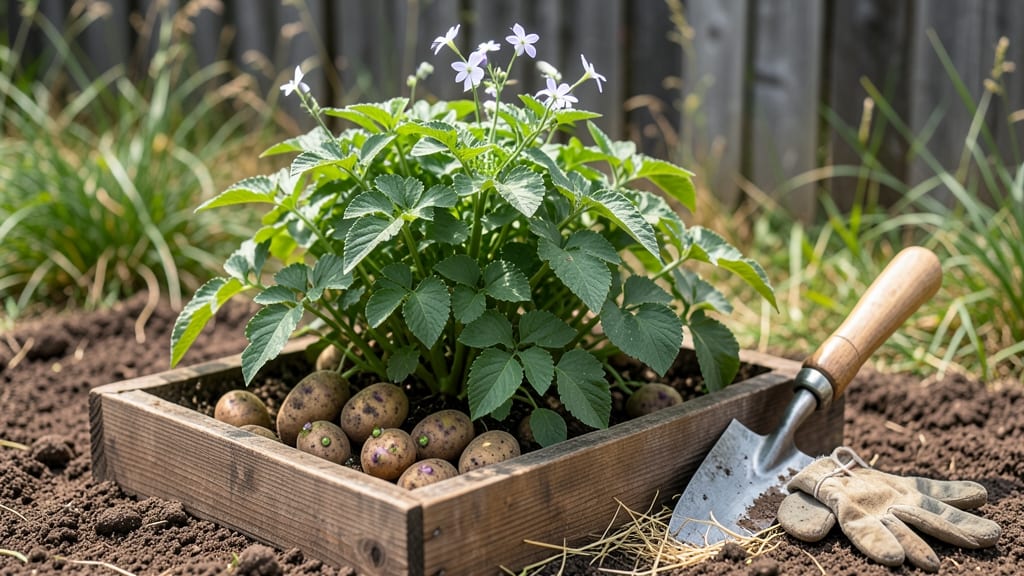
Planting fall potatoes in Texas isn’t just about tossing them in the dirt—it’s about beating the clock before frost strikes. The key to a bumper harvest lies in timing, and getting it wrong could mean watching your 🥔 crop turn to mush in the cold.
Whether you're in North Texas or down South, the 90-day window between planting and frost is your golden opportunity.
Most gardeners in Heat Zones 8B-9A swear by September as the sweet spot, but even that can vary. Too early, and your potatoes bolt before they bulk up; too late, and frost sneaks in before they mature.
I’ll break down the exact schedule—plus how to adjust for Texas’ unpredictable weather—so you can plant with confidence and dig up a harvest that’ll make your neighbors jealous.
You don’t need a degree in agriculture to pull this off, but you do need to know the right varieties and soil prep tricks. We’re talking zero-frost harvests and tubers that store like champs.
Ready to turn your backyard into a potato powerhouse? Let’s get into the game-changer details that’ll have your fall garden thriving.
From soil temperature checks to backup planting dates, I’ve got the insider tips Texas gardeners use to outsmart the weather. Skip the guesswork—this is how you grow bigger, better potatoes in the Lone Star State, no matter what Mother Nature throws your way.
Optimal planting windows for fall potatoes in Texas heat zones 8B-9A
Texas gardeners know that timing is everything when it comes to growing fall potatoes.
The key is planting 4-6 weeks before the first frost—typically between mid-August and mid-October for Heat Zones 8B-9A. This window ensures your potatoes mature before frost hits, giving you a zero-frost harvest and perfect storage quality.
If you plant too early (before August 15), your potatoes may bolt or produce small tubers due to Texas’ summer heat. Planting too late (after October 15) risks frost damage before harvest.
The ideal soil temperature for planting is between 50°F and 60°F, which aligns with September in most of Texas.
| Planting Window | Soil Temp (°F) | Days to Harvest | Frost Risk | Notes |
|---|---|---|---|---|
| Mid-August | 60-70°F | 100-120 days | Low | Early planting; risk of bolting in heat |
| September 1-15 | 55-65°F | 90-110 days | Moderate | Best balance; ideal for most Texas regions |
| September 16-30 | 50-60°F | 80-100 days | Low | Optimal for late varieties; minimal frost risk |
| October 1-15 | 45-55°F | 70-90 days | High | Risky; use early-maturing varieties |
For North Texas (Zone 8B), aim for September 1-15 planting to avoid early frosts that can hit as soon as November 1. In South Texas (Zone 9A), you have more flexibility—planting through mid-October is safe, as frost rarely arrives before December 15.
Pro tip: Use a soil thermometer to confirm temperatures. If your soil is still above 65°F in September, wait a week or two. Cool soil speeds up germination and reduces stress on young plants.
Another critical factor is day length. Texas’ shorter fall days can trigger early flowering in some varieties. Choose day-neutral varieties like ‘Yukon Gold’ or ‘Red Pontiac’ to avoid this issue. These varieties focus on tuber growth instead of blooming.
If you’re in a higher-elevation area (e.g., Hill Country), frost can arrive earlier. Adjust your planting by 2-3 weeks earlier than the general schedule. For coastal areas, you can push planting to late September with minimal risk.
Remember: The goal is to harvest before the first frost, not after. Even a light frost can turn your potatoes mealy and inedible. Plan your planting date backward from your expected frost date—this is the surefire way to guarantee a successful harvest.
For extra insurance, consider planting a second, smaller batch in late September. This gives you a backup harvest if your first planting faces unexpected challenges like pests or heat stress.
Finally, don’t forget to chit your seed potatoes 4-6 weeks before planting. This pre-sprouting step gives you a 2-week head start on growth, which is crucial in Texas’ short fall growing season.
Optimal planting windows for fall potatoes in Texas heat zones 8B-9A
Texas gardeners know timing is everything when it comes to fall potatoes. In Heat Zones 8B-9A, the window between scorching summer heat and early winter frost is tight. I’ve planted potatoes here for years, and the key is soil temperature—never exceeding 75°F at planting time.
Aim for September 15–October 15 to give tubers 90–120 days to mature before frost.
If you plant too early (August), your potatoes may bolt prematurely from heat stress. Too late (after October 15), and frost will ruin your harvest. My North Texas garden thrives with mid-September plantings, while South Texas gardeners can push to early October.
Always check your local frost dates—they vary by 10–15 days across the state.
| Planting Window | Soil Temp (°F) | Days to Harvest | Frost Risk |
|---|---|---|---|
| August 15–31 | 65–75°F | 120+ days | High (bolt risk) |
| September 1–15 | 60–70°F | 90–110 days | Moderate |
| September 16–30 | 55–65°F | 75–90 days | Low |
| October 1–15 | 50–60°F | 60–75 days | High (frost risk) |
For zero-frost harvests, I recommend early September plantings in North Texas and mid-September in South Texas. Use a soil thermometer to confirm temps—potatoes won’t sprout below 45°F. If your soil runs hotter than 75°F, wait until evening to plant and mulch heavily with straw to cool roots.
Pro tip: Plant seed potatoes 4–6 weeks before your average first frost date. In Dallas (Zone 8A), that’s around October 15, while Houston (Zone 9A) can stretch to November 1. Adjust based on your microclimate—hilltops freeze faster than valleys.
If you’re unsure about frost dates, check the National Weather Service or your local AgriLife Extension office. They provide hyperlocal data that beats generic zone guides. My 2022 harvest failed when I ignored a sudden cold snap—now I always double-check.
For maximum yield, plant two successive crops: one in early September (harvest by November) and another in mid-October (harvest before Christmas). This extends your harvest window and reduces waste. Just space them 10 feet apart to avoid disease spread.