
Planting
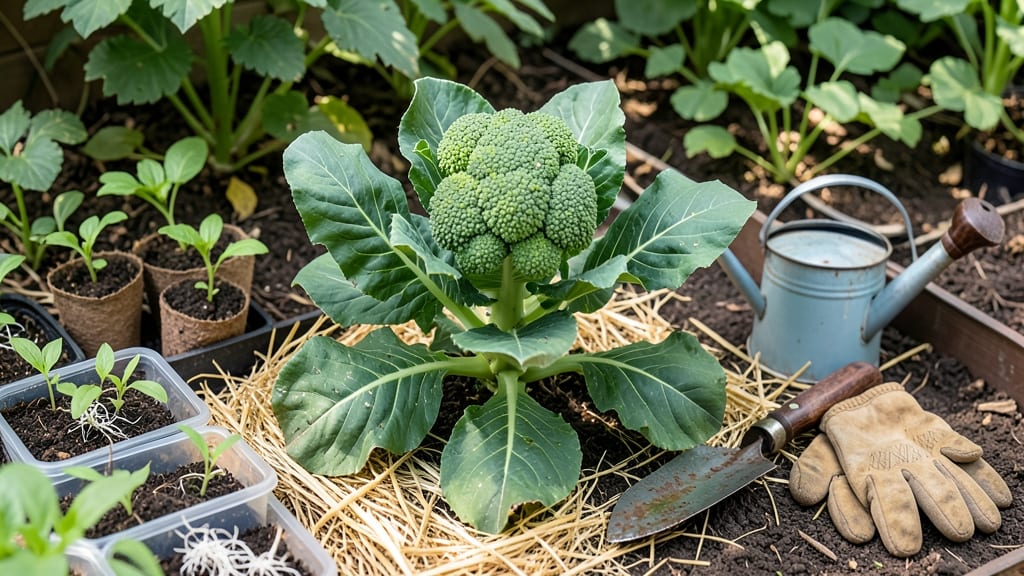
If you've ever watched your summer garden wilt under North Texas' late-summer heat only to wonder when you can safely plant for fall, you're not alone.
The perfect window for starting your fall garden is right around late August—and missing it means risking either scorched seedlings or frost-killed crops before harvest.
I've spent years testing what works in our 8a/8b climate, and the secret lies in understanding your local frost dates while working with the soil's natural cooling cycle.
With just 3 simple steps, you can time your planting for maximum success, whether you're growing heat-loving okra or frost-tolerant kale.
What most gardeners don't realize is that North Texas' unpredictable weather makes timing everything. Plant too early, and your greens bolt in the heat; too late, and you'll be racing against the first frost.
I'll show you exactly which crops to start when—and how to stretch your harvest well into winter.
Let's dive into the exact planting schedule, crop choices, and pro tips that will give you a thriving fall garden without the guesswork. Your taste buds (and wallet) will thank you!
Best late-August planting dates for North Texas fall gardens
North Texas gardeners face a tight window between summer’s brutal heat and winter’s early frost.
The key to a successful fall garden lies in planting during the last two weeks of August, when soil temperatures drop just enough to support cool-season crops while avoiding the 100°F+ days that can scorch seedlings.
This timing ensures your broccoli, kale, and carrots mature before the first frost—typically mid-November in Dallas and early November in Waco.
Your planting schedule should prioritize heat-tolerant varieties first, followed by frost-hardy crops as temperatures cool. For example, okra and black-eyed peas can handle late-August heat, while spinach and lettuce should wait until early September. The goal? A continuous harvest from October through December.
Here’s the breakdown of optimal planting windows for North Texas’ most reliable fall crops, tailored to USDA Zones 8a and 8b:
| Crop Type | Best Planting Window | Days to Harvest | Notes for North Texas |
|---|---|---|---|
| Heat-Tolerant Veggies | Aug 15–25 | 50–70 days | Okra, sweet potatoes, black-eyed peas |
| Leafy Greens | Aug 25–Sep 5 | 30–50 days | Spinach, lettuce, Swiss chard |
| Root Vegetables | Sep 1–10 | 60–90 days | Carrots, beets, turnips (plant in cooler soil) |
| Brassicas | Sep 10–20 | 50–80 days | Broccoli, cabbage, kale (avoid bolting) |
| Herbs | Aug 20–Sep 10 | 30–60 days | Cilantro, dill, parsley (biennials) |
For container gardening in North Texas, start 2–3 weeks earlier than in-ground planting. Containers heat up faster and dry out quicker, so okra and peppers can go in by mid-August, while cool-season herbs like cilantro should wait until early September.
Use black plastic mulch to warm soil for heat-lovers and straw mulch to cool soil for frost-sensitive crops.
Pro tip: Check your local frost dates using the Texas A&M AgriLife Extension tool. In Zone 8a (e.g., Dallas), the average first frost is November 15, while Zone 8b (e.g., Waco) sees frost around November 5.
Plant 6–8 weeks before your expected frost date to ensure harvests before winter sets in.
If you’re in a microclimate—like a low-lying area or urban heat island—adjust your schedule 1–2 weeks later. These spots stay warmer longer, delaying frost by 7–10 days.
Conversely, higher elevations (e.g., Denton Hills) may experience frost 2 weeks earlier, so plant cool-season crops 2 weeks ahead.
Don’t forget to harden off seedlings for 5–7 days before transplanting. Move them outdoors for 2–3 hours daily, gradually increasing exposure. This toughens up young plants so they can handle North Texas’ wild temperature swings—from 90°F days to 50°F nights in late August.
For succession planting
Heat-tolerant vs. frost-resistant crops: what to plant when
North Texas' late August heat can still linger into September, making crop selection critical. The key is balancing heat-tolerant varieties that thrive in residual summer heat with frost-resistant crops that handle cooler temperatures. Your planting timeline should prioritize fast-maturing heat lovers first, followed by cooler-season crops 2-3 weeks later.
Start with okra, sweet potatoes, and black-eyed peas—these handle North Texas' late-summer heat like champions. Plant these by mid-to-late August for harvests before the first frost. Their ability to tolerate 90°F+ soil temperatures makes them perfect early fall stars.
Pros:
- Thrives in 90°F+ heat
- Fast 30-60 day harvests
- Handles dry spells
Cons:
- Struggles in cool nights
- Needs consistent water
- Shorter harvest window
Pros:
- Handles 40°F nights
- Longer harvest season
- More nutrient-dense
Cons:
- Needs cooler soil
- Slower 60-90 day growth
- Risk of bolt early
For frost-resistant crops like broccoli, kale, and spinach, wait until early September. These cool-season crops need 50-60 days to mature, so planting them too early risks bolting from summer heat. Their cold-hardiness (down to 20°F) makes them ideal for North Texas' unpredictable fall.
Don't forget herbs like cilantro and parsley—they actually prefer cooler weather and can handle light frosts. Plant these late August to early September for a fresh harvest all fall. Their slow growth in heat makes them perfect for staggered planting.
Pro tip: Use shade cloth over heat-sensitive crops like lettuce planted in late August. This buys you 2-3 extra weeks of growing time before transitioning to full sun for frost-hardy varieties. It's a simple hack to extend your harvest window in North Texas' variable climate.
Remember, succession planting is your secret weapon. Start with fast-maturing heat lovers in late August, then follow with slower-growing cool crops in early September. This ensures a continuous harvest from October through December—even after the first frost.