
Plants
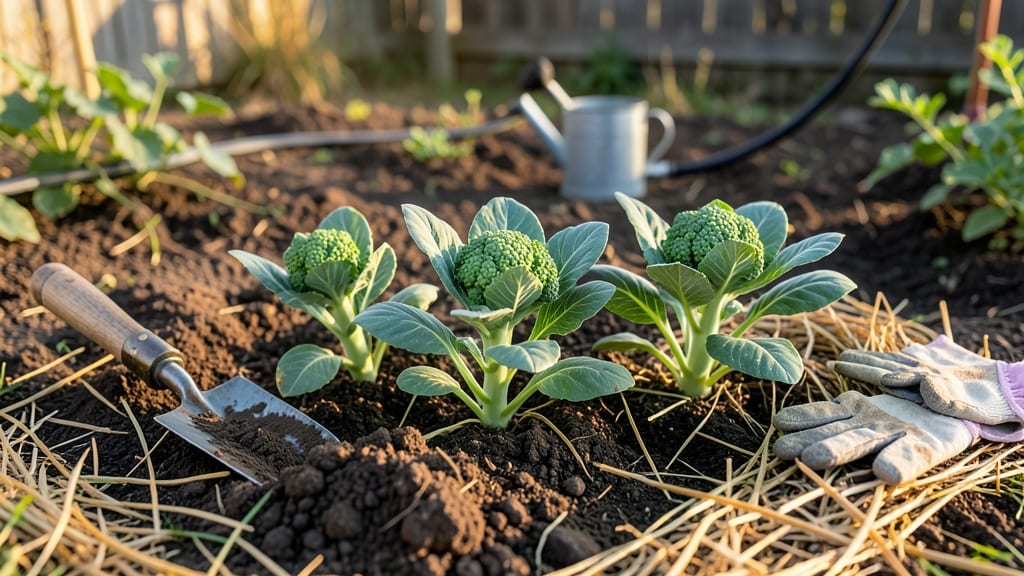
Planting fall broccoli in Zone 6 at the wrong time can turn your garden dreams into a bolting disaster—those bitter, seed-filled stems are a gardener’s worst nightmare. The secret to success lies in understanding your local frost dates and how 60-90 days of cool weather work in your favor.
For Zone 6 gardeners, timing isn’t just about dates—it’s about creating the perfect balance. If you plant too early, your broccoli will bolt before forming heads. Too late, and frost will strike before harvest.
The ideal window? Aim for August to early September, giving your plants just enough time to mature before that first hard freeze in mid-October.
But here’s the game-changer: spacing and soil prep make all the difference. Crowded plants compete for nutrients, while poor soil leads to stunted growth. I’ll show you exactly how to space your seeds and prep your soil for a bolting-free harvest that keeps producing until winter’s chill sets in.
Ready to grow broccoli that’s tender, abundant, and ready to harvest? Let’s dive into the Zone 6-specific strategies that’ll have you enjoying fresh 🥦 from your garden well into fall.
Optimal planting dates for fall broccoli in Zone 6 (with frost risk charts)
Getting your fall broccoli timing right in Zone 6 means avoiding two major pitfalls: heat-induced bolting and frost damage. The sweet spot is planting 4-6 weeks before your first frost date, which typically lands between mid-August and early September for most Zone 6 regions.
This window ensures your plants mature before temperatures drop below 25°F, the threshold where broccoli heads turn mushy.
For direct sowing, aim for late July to early August—this gives seeds time to germinate in warm soil before temperatures cool. If you're using transplants, set them out 4-6 weeks before frost, usually late August to mid-September.
Early varieties like 'Waltham 29' mature faster (55-60 days), while later types like 'De Cicco' take 70-80 days—adjust your timeline accordingly.
Here’s the critical frost risk timeline for Zone 6 broccoli:
| Stage | Action | Temperature Threshold | Zone 6 Date Range |
|---|---|---|---|
| Seed Germination | Direct sow or transplant | Soil 50°F+ | Late July - Early August |
| Head Formation | Monitor for bolting | Day temps <75°F | August - Early Sept |
| Harvest Window | Pick before frost | Heads firm at 25°F+ | October - Mid-Nov |
| Frost Damage | Protect with row covers | Below 25°F | Mid-October+ |
Pro tip: Use succession planting every 2 weeks after your initial sowing to stagger harvests. For example, plant a second batch in early September if your first crop matures quickly. This minimizes bolting risks and extends your table supply.
Zone 6 gardeners often struggle with early September heat waves, which can trigger bolting even in fall plantings. To mitigate this, choose shade-tolerant varieties like 'Calabrese' or use lightweight row covers during heat spikes.
Mulch with straw or leaves to keep soil temps stable—this simple trick can add 1-2 weeks to your growing window.
Don’t overlook microclimates in your yard. South-facing beds warm up faster, while north-facing areas stay cooler longer. If your garden has uneven sun exposure, prioritize planting heat-sensitive broccoli in the coolest microclimate available. A 5°F temperature difference can mean the difference between a successful harvest and bolting.
For transplants, harden off seedlings for 7-10 days before setting them out. Acclimate them to Zone 6’s fluctuating fall temps by gradually reducing shade and exposure. This reduces transplant shock and gives your broccoli a stronger start in cooler weather.
Remember: Broccoli needs 60-90 days to mature, but the last 30 days are critical for head formation. If your variety takes 80 days to harvest, plant by early August to avoid frost.
Use your local frost date (check the USDA Plant Hardiness Zone Map) as your anchor point, then count backward.
🌱
Seed spacing secrets to prevent bolting and maximize yield
Proper seed spacing is the difference between a bolting disaster and a bountiful harvest of fall broccoli in Zone 6. When seeds are too close, plants compete for nutrients and bolt prematurely.
But spacing them too far apart wastes garden space. The sweet spot? 18-24 inches between plants for optimal head development.
For direct-sown seeds, thin seedlings to this spacing once they’re 2-3 inches tall. If you’re using transplants, space them 24 inches apart to give roots room to establish before cool weather arrives.
This extra space prevents overcrowding, which stresses plants and triggers bolting—especially as temperatures dip in late September.
🌱 Soil fertility plays a hidden role here. In poor soil, plants grow slowly and bolt faster, even with perfect spacing. Amend your beds with compost or aged manure before planting to ensure steady growth.
I’ve found that adding a balanced 10-10-10 fertilizer at transplanting gives my Zone 6 broccoli the nutrient boost it needs to resist bolting.
| Spacing Type | Measurement | Best For | Bolting Risk |
|---|---|---|---|
| Direct-Sown Seeds | 18-24" | Home gardens | Low |
| Transplants | 24" | Container growing | Very Low |
| Crowded Plants | <12" | Urban gardens | High |
Another spacing hack I swear by is using straw mulch between rows. It suppresses weeds (which compete for nutrients) and retains moisture, which is critical as Zone 6’s fall rains become less reliable.
Mulch also insulates soil, keeping roots warm enough to prevent stunted growth—a common issue when temps drop too quickly.
For succession planting, stagger your spacing by planting a second row 2-3 weeks after the first. This ensures a continuous harvest while maintaining proper spacing. Just be sure to mark your rows clearly—broccoli seedlings are easy to overlook in late summer’s dense foliage.
💧 Watering strategy ties into spacing too. Plants spaced 24 inches apart need deep watering every 3-5 days to establish strong roots. Shallow watering leads to weak stems and bolting. I use a soaker hose along rows to deliver consistent moisture without wetting the leaves (which invites disease).