
How To
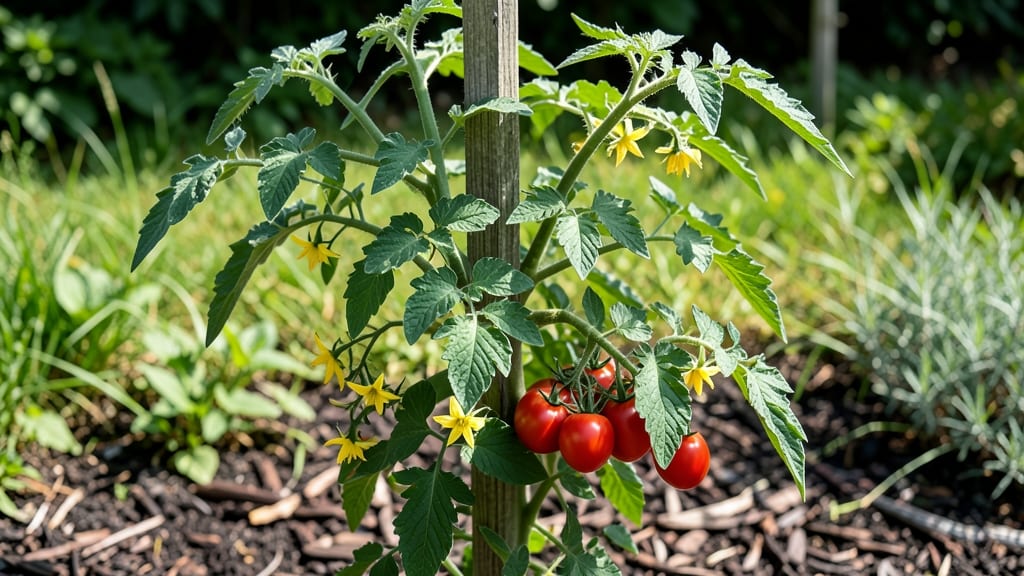
If you're planning your garden layout, knowing how tall will a tomato plant grow could mean the difference between a thriving harvest and a crowded mess. 🍅 The truth is, these plants come in all shapes and sizes—from compact 3-foot bushes to towering vines that climb 6 feet or more.
Without the right information, you might end up with plants fighting for space or struggling to reach their full potential.
Understanding the growth habits of different tomato varieties is the first step to smart gardening. Whether you're working with a small balcony container or a spacious backyard plot, choosing the right type can save you from headaches later.
I'll break down the key differences between determinate and indeterminate varieties, so you can pick plants that fit your space perfectly.
But it's not just about picking the right variety—support structures, pruning, and even your local climate play a role in how tall your tomato plants become. Let me show you how to maximize your garden's potential while keeping your plants healthy and productive. Ready to grow like a pro?
From dwarf varieties that stay neatly contained to sprawling vines that need trellises, we'll cover everything you need to know. By the end, you'll have the confidence to plan your tomato garden with precision, ensuring every plant has the room it needs to thrive.


Tomato plant height by variety: determinate vs indeterminate types
When planning your tomato garden, knowing whether your plants will stay compact or climb skyward is essential. Tomato varieties fall into two main categories: determinate (bush types) and indeterminate (vining types). These differences affect not just height but also garden layout, support needs, and even harvest timing.
Determinate tomatoes grow to a fixed height—typically between 3 to 5 feet—and produce fruit all at once. Indeterminate varieties, on the other hand, keep growing until frost, often reaching 6 to 10 feet tall, with fruit ripening continuously throughout the season.
Your choice between the two will shape your garden’s design and maintenance routine.
Here’s how these two types compare in terms of height, space needs, and care requirements to help you pick the perfect fit for your garden.
🌱 Tomato Variety Height Comparison
| Variety Type | Mature Height | Space Needs | Growth Habit | Best For |
|---|---|---|---|---|
| Determinate | 3–5 ft | 18–24" apart | Bushy, compact | Canning, sauces, containers |
| Indeterminate | 6–10+ ft | 24–36" apart | Vining, sprawling | Fresh eating, trellises |
| Dwarf/Compact | 1–3 ft | 12–18" apart | Bushy, miniaturized | Balconies, pots, small spaces |
💡 Pro Tip: Indeterminate varieties need strong trellises or cages to support their weight, while determinate types often thrive without extra support.
If you’re working with limited space, dwarf varieties like 'Tiny Tim' or 'Patio Princess' are ideal—they stay under 3 feet tall and thrive in containers. For larger gardens, indeterminate types like 'Sungold' or 'Brandywine' will reward you with continuous harvests if given enough vertical room.
Another key factor is fruit production timing. Determinate tomatoes produce all their fruit at once, making them perfect for canning or freezing in one batch. Indeterminate varieties, however, offer a prolonged harvest throughout the season, which is great for fresh eating.
For urban gardeners or balcony growers, compact varieties are a game-changer. Even in a 5-gallon pot, a dwarf tomato like 'Micro Tom' can produce fruit while staying under 2 feet tall.
Meanwhile, traditional indeterminate varieties need at least 3 feet of vertical space and sturdy support to prevent sprawling.
When selecting varieties, always check the seed packet or plant tag for height estimates. Some indeterminate types, like 'Cherokee Purple,' can exceed 10 feet if left unpruned, while others, like 'Sweet Million,' stay around 6 feet.
Pruning can also influence height—regularly pinching back suckers (side shoots) keeps indeterminate plants more manageable.
For container gardening, stick to determinate or dwarf varieties to avoid overcrowding. If you’re using raised beds, indeterminate types can work if spaced 24–36 inches apart and trained along trellises. This vertical growth not only saves space but also improves air circulation, reducing disease risk.
Remember, soil quality and sunlight also play a role in how tall your tomato plants grow. Poor soil or insufficient light can stunt growth, while rich, well-draining soil and full sun (6+ hours daily) encourage healthy, vigorous plants.
Always amend your soil with compost before planting to give your tomatoes the best start.
🌿 Whether you’re a beginner with a small balcony or an experienced gardener with a sprawling plot, choosing the right tomato variety based on height and space needs will set you up for a bountiful harvest.
Next, we’ll explore how to match varieties to your specific garden layout for optimal results.
How to choose tomato varieties based on garden space
Selecting the right tomato variety isn’t just about flavor—it’s about space planning. Your garden’s size, whether it’s a balcony container, raised bed, or sprawling backyard, dictates which varieties will thrive.
Compact varieties like ‘Tiny Tim’ or ‘Patio’ tomatoes stay under 3 feet tall, making them perfect for small spaces or containers.
For larger gardens, indeterminate varieties like ‘Sungold’ or ‘Brandywine’ can grow 6–10 feet tall without pruning, requiring sturdy trellises or cages. These vining types need vertical support to prevent sprawling and maximize fruit production.
If you’re short on space but want big yields, consider semi-determinate varieties like ‘Celebrity’, which grow 4–5 feet tall and produce fruit over an extended season.
🌱
When planning your layout, account for mature plant width too—even compact varieties spread 1–2 feet. In raised beds, space plants 18–24 inches apart to prevent competition.
For containers, ensure pots are at least 5 gallons to accommodate root growth and provide drainage holes to avoid waterlogged soil, which stunts growth.
Pro tip: If you’re unsure about space, start with one indeterminate plant in a large container or trellis. This lets you test vertical growth without committing to a full garden. You’ll quickly see how much vertical real estate your space can handle!
🌿
For urban gardeners, cherry tomato varieties like ‘Tumbling Tom’ are ideal—they trail beautifully over hanging baskets or window boxes, producing abundant fruit without taking up floor space. These varieties typically reach 2–4 feet long when trained properly, making them a space-saving powerhouse.