
Plants
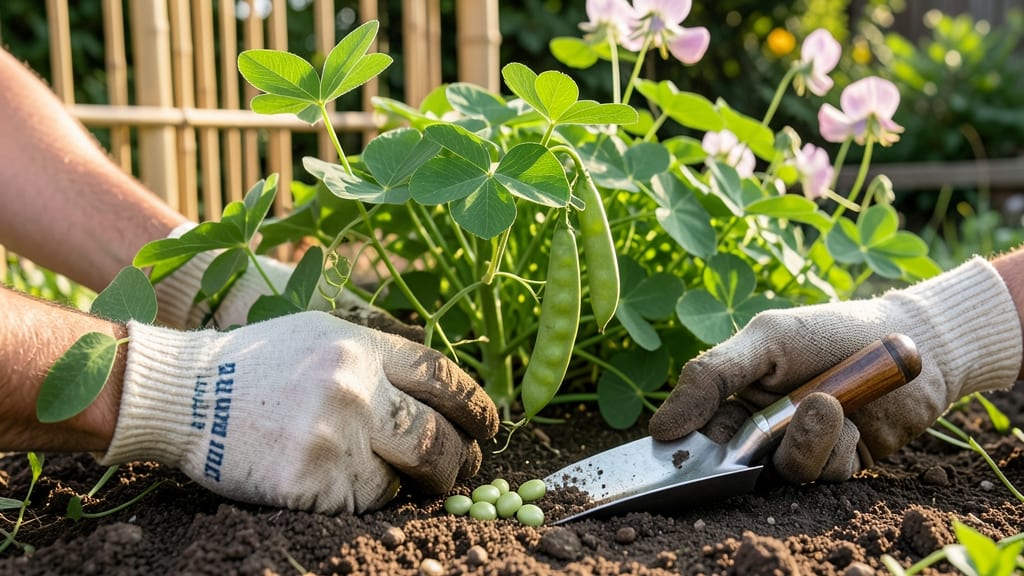
Timing your English pea 🌱 planting in Zone 8 can mean the difference between a bountiful harvest and wasted effort. The key is understanding when to plant for optimal growth—whether you're aiming for crisp spring peas or hearty fall varieties.
In Zone 8, where last frosts linger around mid-January and first frosts arrive by mid-November, you’ve got two prime windows: early spring and late fall. Planting too soon risks frost damage, while waiting too late can lead to stunted growth from summer heat.
Let’s break down the best times to plant for maximum success.
Spring planting in Zone 8 typically kicks off in February or March, while fall planting works best from September to October. Each season brings unique challenges—like soil temperature and pest risks—but with the right approach, you can enjoy fresh peas for months.
Ready to grow your best crop yet? I’ll walk you through the ideal planting schedule, soil prep tips, and care strategies tailored to Zone 8’s climate. Let’s get those peas thriving!
Optimal planting windows for English peas in Zone 8 by bloom type
English peas in Zone 8 thrive when planted during specific temperature windows that align with their bloom cycles. Unlike cooler climates, Zone 8’s mild winters and hot summers demand precise timing to avoid frost damage or heat stress.
I’ve broken down the best planting windows for early, mid, and late-blooming varieties to maximize your harvest.
For early-blooming varieties, aim for late winter to early spring (February–March) when soil temperatures reach 40–45°F. This ensures peas flower before spring heat arrives. Mid-blooming types (like 'Sugar Snap') do best in late summer to early fall (August–September), while late-blooming varieties can handle fall planting until early October.
The key is avoiding extreme heat (above 85°F) or late frosts (below 35°F). In Zone 8, fall planting often yields better results than spring because summer’s intensity can stunt growth. Let’s dive into the exact windows for each bloom type.
| Bloom Type | Planting Window | Soil Temp | Frost Risk | Harvest Time |
|---|---|---|---|---|
| Early | February–March | 40–45°F | Low (post-last frost) | April–May |
| Mid | August–September | 55–65°F | None (summer heat) | October–November |
| Late | Early October | 50–55°F | Moderate (fall frosts) | December–January |
If you’re planting in spring, prioritize February for early varieties like 'Green Arrow' or 'Little Marvel'. These dwarf types mature quickly (50–60 days) and avoid summer’s worst heat. For fall planting, August–September is ideal—soil stays warm enough for root growth but cools as peas mature.
Pro tip: Use a soil thermometer to confirm 40°F+ soil temps before planting. Cold soil delays germination, while overheated soil (above 80°F) can cause poor root development. In Zone 8, morning planting (before 10 AM) helps seeds stay moist longer.
For climbing varieties, install trellises or stakes at planting time. Peas need vertical support to thrive, and late-blooming types (like 'Wando') benefit from shade cloth in summer’s peak heat. I’ve found that succession planting every 2–3 weeks in fall keeps pods coming until frost.
One common mistake? Planting too late in spring (after April 15) or too early in fall (before August 1). Both scenarios risk heat stress or premature frost. Stick to the optimal windows above, and you’ll enjoy sweet, tender peas for months.
Remember: Zone 8’s microclimates vary—check your local frost dates (typically November 15–January 15) and adjust accordingly. With the right timing, you’ll beat the heat and frost to enjoy a bountiful pea harvest! 🌱
Spring vs. fall planting: which works better in Zone 8?
Deciding between spring and fall planting for English peas in Zone 8 depends on your climate's unique rhythm. Both seasons offer advantages, but fall planting often wins for cooler conditions and fewer pests. Let’s break down the pros and cons to help you choose what works best for your garden.
In Zone 8, spring planting typically starts in February or March, just as temperatures begin to rise. This gives peas a head start before summer’s heat sets in. However, spring planting also brings risks like soil compaction from winter rains and pest pressure as insects become active.
Fall planting, on the other hand, usually occurs between August and October, allowing peas to mature before winter arrives. The cooler temperatures reduce stress on plants, and fewer pests are around to damage young seedlings. Plus, fall-planted peas often produce sweeter pods due to slower growth in milder weather.
🌱
- Earlier harvest in spring
- Warmer soil for faster germination
- Longer daylight hours for growth
- Higher pest pressure
- Risk of summer heat stress
- Soil may be compacted from winter
- Cooler temperatures reduce stress
- Fewer pests and diseases
- Sweeter-tasting pods
- Shorter growing season
- Risk of early frost
- Limited daylight in late fall
For spring planting, prepare your soil in January by adding compost and ensuring good drainage. Plant seeds 1 inch deep and 2-3 inches apart once soil temperatures reach 40°F. Use a trellis to support climbing varieties and protect young plants from strong winds.
If you opt for fall planting, start in late August or early September to allow enough time for maturity before the first frost. Choose dwarf varieties like 'Little Marvel' for shorter seasons, and mulch heavily to retain soil warmth.
Fall-planted peas also benefit from companion planting with carrots or radishes, which deter pests naturally.
Both seasons can yield delicious peas, but fall planting often delivers more consistent results in Zone 8. Experiment with both methods to see which works best in your garden’s microclimate!
🌿