
Plants
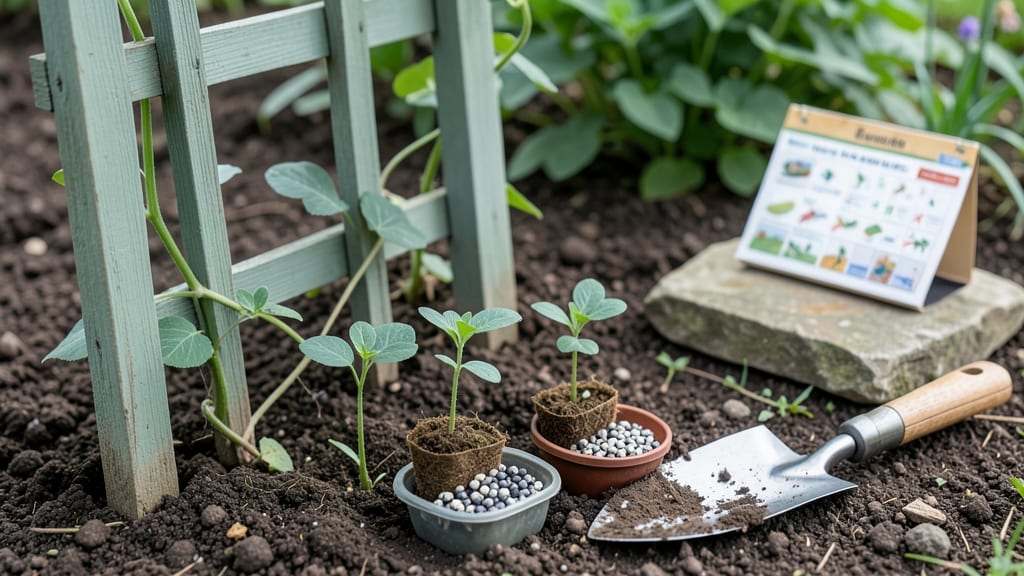
Timing your English pea 🌱 planting in Alabama can make the difference between a bountiful harvest and a wasted effort. The right window means avoiding frost damage in North Alabama or sweltering heat in the South - both of which can ruin your crop before it even starts growing.
I've seen too many gardeners struggle with this exact problem, especially when dealing with Alabama's unpredictable weather patterns. Whether you're in the cooler 7b zones of the North or the warmer 8b areas of the South, knowing exactly when to plant gives you that competitive edge in the garden.
In this guide, I'll break down the ideal planting months for both spring and fall crops, plus how to adjust for your specific county's microclimate. We'll cover everything from soil temperature checks to frost-free date calculations that actually work for Alabama's unique growing conditions.
By the end, you'll know exactly when to plant your English peas for maximum yield, plus how to handle those tricky Alabama-specific challenges like humidity and late frosts. Let's get those seeds in the ground at the perfect time!
Alabama’s best planting zones for English peas by county
English peas thrive in Alabama’s cool seasons, but timing varies dramatically across the state’s 11 gardening zones. North Alabama’s shorter growing seasons demand earlier starts, while South Alabama’s milder winters allow later plantings.
Understanding your last frost dates and USDA zone (7b-8b) is key to avoiding frost damage or heat stress.
Most Alabama counties experience their average last frost between March 1-15, but high-elevation areas like DeKalb or Jackson counties can see frost as late as April 1.
Meanwhile, coastal regions like Mobile or Baldwin rarely face frost after February 15. Always check your local Alabama Cooperative Extension office for precise dates.
Here’s a breakdown of optimal planting windows by region, accounting for elevation and urban heat islands that can delay frost.
| Region | Counties | USDA Zone | Last Frost Date | Spring Planting Window | Fall Planting Window |
|---|---|---|---|---|---|
| North Alabama | Madison, Jackson, Marshall | 7a-7b | March 15-31 | February 15 - March 15 | September 1-15 |
| DeKalb, Etowah, Cullman | 7a | April 1-15 | February 1 - March 10 | August 20 - September 5 | |
| Limestone, Lawrence, Morgan | 7b | March 20-31 | February 20 - March 20 | September 1-15 | |
| Central Alabama | Jefferson, Shelby, St. Clair | 7b-8a | March 10-20 | February 25 - March 25 | September 10-25 |
| Birmingham metro (urban heat island) | 8a | March 25-April 5 | March 1-15 | September 20-October 1 | |
| Tuscaloosa, Walker, Fayette | 7b-8a | March 15-25 | February 20 - March 20 | September 10-20 | |
| Montgomery, Elmore, Autauga | 8a | March 20-30 | March 1-15 | September 15-October 1 | |
| South Alabama | Mobile, Baldwin, Escambia | 8a-8b | February 15-28 | January 20 - February 20 | October 1-15 |
| Pensacola (coastal) | 8b | February 1-15 | January 15 - February 15 | September 20-October 5 | |
| Huntsville metro (elevation) | 7b | March 20-31 | February 25 - March 20 | September 1-15 |
For urban gardeners, cities like Birmingham or Huntsville experience urban heat islands that can delay frost by 1-2 weeks. If you’re in these areas, err on the earlier side of the planting window to account for unexpected heat spikes.
Always test soil temperature before planting—peas need soil at least 40°F (4°C). Use a soil thermometer to confirm readiness, especially in North Alabama where early springs can be slow to warm.
Pro tip: In South Alabama, you can often get two harvests per year by planting once in January and again in September. This extended season is a major advantage for coastal gardeners!
🌱
How to adjust planting dates for Alabama’s unpredictable weather patterns
Alabama’s weather can throw off even the most experienced gardener—one day it’s freezing overnight, the next it’s 90°F by noon. For English peas, these swings mean the difference between a thriving crop and a failed harvest.
I’ve learned the hard way that sticking to a rigid schedule won’t work here. Instead, you need flexible strategies to adapt to late frosts, early heatwaves, and soil temperature fluctuations.
Start by checking your soil temperature with a reliable thermometer—English peas need soil that’s at least 40°F (4°C) to germinate. In North Alabama, this might mean waiting until mid-March even if your last frost date is earlier.
In South Alabama, where heat arrives sooner, you’ll need to plant by late January to avoid summer stress.
Here’s my proactive