
Plants
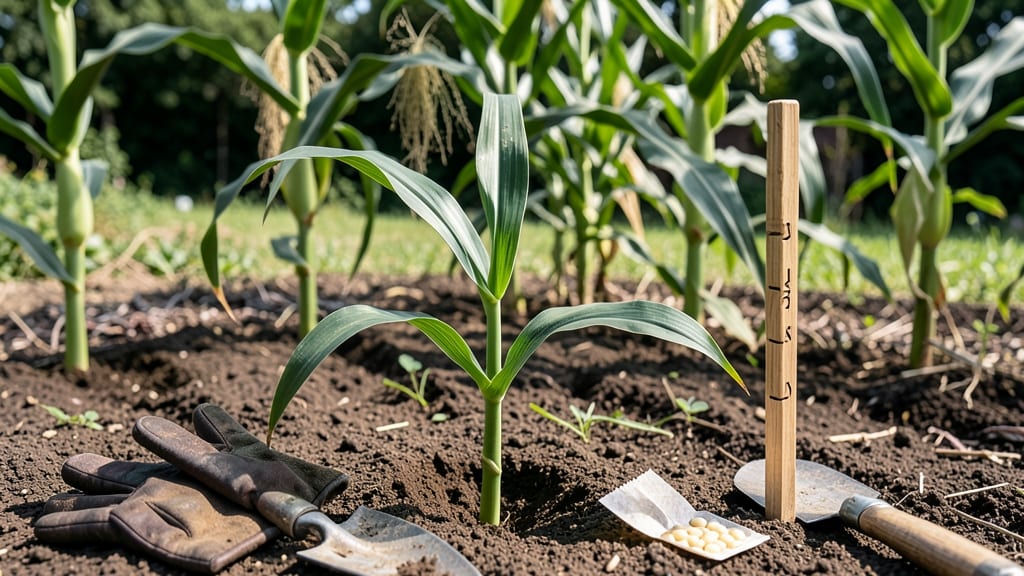
Timing your 🌽 corn planting in North Alabama wrong could mean the difference between a golden harvest and a sad, wilted disappointment. With USDA zones 7a-7b and unpredictable spring weather, knowing the perfect window—April 15 to May 15—isn’t just helpful, it’s essential for sweet, tender ears.
Most gardeners focus on frost dates, but soil temperature is the real game-changer. Corn needs 60°F+ soil to sprout properly, and waiting until after your last frost (usually around March 15) ensures your plants won’t bolt or rot in cold, damp ground.
Whether you’re growing Silver Queen for fresh eating or Peaches and Cream for canning, this guide breaks down the exact steps to time your planting with precision—plus how to adjust for those tricky late frosts that North Alabama loves to throw your way.
Ready to avoid common mistakes like planting too early? Let’s dive into the soil science and planting strategies that’ll have your corn thriving from July through September—no guesswork required.
Optimal soil temperature and frost-free dates for planting corn in North Alabama
North Alabama’s USDA Zones 7a-7b create a unique challenge for corn growers—get the timing wrong, and you risk frost damage or stunted growth. The key to success lies in two critical factors: soil temperature and frost-free dates.
Corn seeds need consistent warmth to germinate, while late frosts can wipe out tender seedlings in a single night.
Most gardeners in North Alabama wait until after the average last frost date, which typically falls between March 15 and April 15. However, this isn’t a one-size-fits-all rule—microclimates in cities like Huntsville and Birmingham can shift frost dates by 1-2 weeks.
Always verify local data from the Alabama Cooperative Extension System before planting.
Here’s the golden rule: Never plant corn until the soil temperature reaches 50°F at 4 inches deep. For optimal germination, aim for 60°F+ soil temperatures.
Cold soils slow down growth, leaving your plants vulnerable to pests and diseases. Use a soil thermometer to check—it’s the only way to be sure.
North Alabama’s frost-free season spans roughly 190 days, giving you a 6-8 week window for planting. Early varieties like 'Silver Queen' (60-day maturity) can be planted as soon as soil warms, while later varieties like 'Peaches and Cream' (90-day maturity) should wait until mid-April to avoid frost risks.
Regional variations matter—Huntsville’s higher elevation often experiences cooler nights than Birmingham, delaying planting by 5-7 days. If you’re unsure, err on the side of caution: plant 2 weeks after your local last frost date to ensure safety. This buffer accounts for unpredictable weather patterns common in North Alabama.
Another critical factor is corn’s sensitivity to cold snaps. Seedlings can’t tolerate temperatures below 50°F for extended periods. If a late frost is forecasted, use row covers or black plastic mulch to protect young plants.
These tools can raise soil temperatures by 5-10°F, giving your corn a fighting chance.
🌱 North Alabama Corn Planting Summary
| Factor | North Alabama Specifications | Actionable Tip |
|---|---|---|
| Last Frost Date | March 15 - April 15 | Plant 2 weeks after confirmed frost-free date. |
| Soil Temperature | 60°F+ (minimum 50°F) | Use a soil thermometer at 4" depth. |
| Planting Window | April 15 - May 15 | Early varieties first; late varieties by May 1. |
| Frost Risk | High until May 1 | Use row covers for seedlings if frost is forecasted. |
| Harvest Window | July - September | Succession plant every 2 weeks for extended harvest. |
📌 Pro Tip: Check Alabama Extension’s frost risk maps for real-time updates before planting.
One common mistake I see in North Alabama gardens is planting corn too early to beat the frost. While it’s tempting to start in late March, cold soils and late frosts can kill seedlings before they even sprout.
If you’re eager to get started, consider starter plants or a greenhouse to jumpstart growth.
For field corn or popcorn varieties, which have longer maturity times (90-120 days), push planting to late April or early May. These varieties need the full growing season to reach maturity, and planting them earlier risks immature harvests or drought stress before they’re ready.
Always remember: North Alabama’s weather is unpredictable. Even if you follow the calendar perfectly, a late frost or heatwave can throw off your entire planting schedule. Keep a weather eye on forecasts and have a backup plan—like a second planting window in early June for late varieties.
Finally, don’t overlook the role of companion planting. Pairing corn with beans or squash can improve soil health and deter pests, giving your crop a better chance to thrive despite North Alabama’s challenging growing conditions. 🌽
Step-by-step planting timeline based on corn variety and maturity zone
Choosing the right planting timeline for your 🌽 corn variety in North Alabama isn’t just about dates—it’s about matching your seeds to the 190 frost-free days we enjoy here.
Early-season varieties like Silver Queen (60-70 days to harvest) give you a jumpstart, while late-season types like Peaches and Cream (90+ days) stretch your harvest into September.
For North Alabama’s USDA zones 7a-7b, here’s how to time it right: Start early-season corn around April 15 (when soil hits 60°F), mid-season varieties by May 1, and late-season types by May 15.
This spacing ensures you avoid late frosts (common after March 15) and maximize your harvest window.
🌱 Step-by-Step Planting Timeline
- Week 1 (April 15): Plant early varieties (e.g., 'Silver Queen') in warm soil (60°F+). Use black plastic mulch to speed warming.
- Week 3 (April 29): Sow mid-season corn (e.g., 'Ambrosia') after verifying no frost risk. Thin seedlings to 4 inches apart.
- Week 5 (May 13): Plant late-season types (e.g., 'Peaches and Cream') for fall harvests. Add compost for nutrients.
- Week 7 (May 27): Succession plant a second row of early corn if space allows, extending harvest by 2-3 weeks.
- Week 10 (June 10): Monitor for tasseling (pollen shed). Water deeply to prevent drought stress.
Pro tip: Use Alabama Extension’s frost maps to double-check local variations—Huntsville’s cooler microclimate may need a 1-week delay compared to Birmingham. If you’re unsure, err on the side of warm soil; corn won’t germinate well below 50°F, even if frost isn’t a threat.
For container growing, stick to dwarf varieties like 'Bodacious' and plant 2 weeks later (May 1) to avoid heat stress. Containers dry out faster, so water daily during tasseling (critical for ear development).
Don’t forget companion planting! Pair corn with beans or squash to improve soil nitrogen and deter pests. Avoid planting near tomatoes or cabbage, which compete for nutrients.
By following this timeline, you’ll avoid the #1 mistake—planting too early in cold soil—and enjoy sweet, tender ears from July through September. Happy planting! 🌽