
Plants
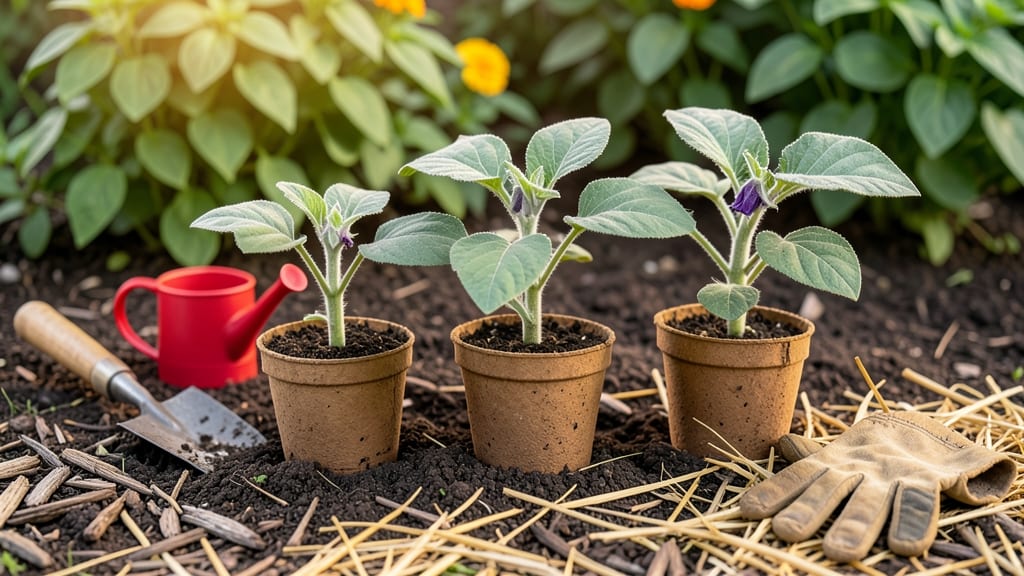
Timing your eggplant planting in Southern California could mean the difference between a thriving 🍆 harvest and a battle with pests like flea beetles. The key to success? Planting during the ideal window—when temperatures are warm but not scorching, and the soil is just right for those tender seedlings.
Most gardeners in zones 9b-11 know eggplants love heat, but planting too early or too late can backfire. Inland areas might start as early as March, while coastal regions benefit from waiting until April or May to avoid unexpected chilly snaps.
The goal? Give your plants a head start before summer’s intense heat arrives.
I’ve seen firsthand how a few weeks’ difference can transform a struggling garden into one bursting with glossy, purple-skinned eggplants. Whether you’re a seasoned gardener or just starting, mastering the timing will save you from common pitfalls like stunted growth or pest invasions.
Ready to grow eggplants that thrive all season? Let’s break down the exact planting schedule, soil prep tips, and companion plants to keep your 🍆 garden flourishing—no matter where you are in Southern California.
Optimal eggplant planting windows in Southern California by microclimate
Southern California’s diverse microclimates—from coastal chill to inland heat—mean one planting schedule doesn’t fit all. Coastal areas like San Diego can handle earlier transplants (as early as February), while inland valleys like Riverside should wait until April to avoid heat stress.
Desert regions like Palm Springs have their own rhythm, favoring fall planting entirely. Let’s break down the perfect timing for each zone to maximize your harvest.
Eggplants are warm-season lovers, thriving in 70–90°F soil. In SoCal, that means avoiding extreme summer heat (June–August) when temperatures can spike to 100°F+, causing flower drop.
Instead, focus on spring (March–May) and fall (September–October) windows. But timing varies wildly: coastal areas can start 2 weeks earlier than inland zones due to cooler nights.
For coastal SoCal (USDA Zones 9b–10a), like Santa Barbara or San Diego, begin indoor seed starting in January and transplant outdoors by mid-February. The ocean breeze keeps nights cool, giving seedlings a gentler transition.
Inland areas (e.g., Los Angeles Basin, San Fernando Valley) should wait until late March for transplants to avoid heat shock.
Desert regions (e.g., Coachella Valley, Palm Springs) flip the script: spring planting is risky due to rapid heat buildup. Instead, focus on fall—start seeds indoors in July and transplant by mid-September. This lets plants mature before winter chill sets in. Even then, use row covers to protect from unexpected cold snaps.
| Microclimate | Best Planting Window | Soil Temp Goal | Key Risk |
|---|---|---|---|
| Coastal (e.g., San Diego, Santa Barbara) | Transplant: Mid-Feb–March | 65–75°F | Flea beetles |
| Inland (e.g., LA Basin, Riverside) | Transplant: Late March–April | 70–80°F | Heat stress |
| Desert (e.g., Palm Springs, Coachella) | Transplant: Mid-Sept–Oct | 60–70°F | Cold snaps |
⚠️ Pro Tip: Use a soil thermometer to confirm temps before transplanting!
If you’re starting seeds indoors, begin 8–10 weeks before your target transplant date. For coastal gardeners, that’s January; inland gardeners should start in February. Use biodegradable pots to avoid root disturbance when moving seedlings outdoors. Harden them off for 7–10 days before transplanting to toughen up stems.
Transplanting too early is a common mistake—seedlings wilt in 50°F nights, even in coastal areas. Wait until nighttime temps stay above 55°F consistently. For inland zones, avoid planting after May 15; the heat will shut down flowering and reduce yields. Instead, save fall planting for a second crop.
For container gardening, timing shifts slightly. Containers heat up faster, so transplant in June only if using 5-gallon+ pots with black fabric mulch to retain moisture. Dwarf varieties like ‘Fairy Tale’ (1–2 ft tall) handle containers better than standard types.
Place pots in partial shade during peak afternoon heat (1–4 PM) to prevent wilting.
Soil prep is half the battle. Eggplants crave well-draining, fertile soil with a pH of 6.0–6.8. Amend native clay soil with compost and perlite to improve aeration. Add aged manure or worm castings for nutrients, and mulch heavily (straw or wood chips) to keep roots cool.
In desert areas, irrigate soil 1–2 weeks before planting to warm it up gradually.
Finally, monitor heat waves after transplanting. If temps hit 95°F+ for 3+ days, provide shade cloth (30–50%) and increase watering frequency to shallow roots. Eggplants will tolerate brief heat spikes, but prolonged stress leads to blossom end rot or fruit cracking.
With the right timing, you’ll avoid these pitfalls entirely.
How to avoid eggplant’s #1 enemy: flea beetles through strategic timing
Flea beetles are the silent saboteurs of Southern California’s eggplant gardens. These tiny, jumping pests thrive in our warm climate and can strip your seedlings bare in days if you’re not careful.
The good news? Strategic planting timing combined with a few simple tricks can reduce infestations by up to 90%. By planting at the right moment, you’ll give your eggplants a head start before flea beetles become a major threat.
Flea beetles are most active when soil temperatures exceed 70°F—which happens early in SoCal’s spring. If you plant too soon, your seedlings will be vulnerable. But if you wait until the soil warms to 65°F or higher, you’ll create a buffer zone where your plants outpace the beetles.
This timing window typically falls between mid-April and early May for most regions, but coastal areas may need to wait until May or June.
Here’s the secret weapon: companion planting. Flea beetles dislike the strong scents of basil, marigolds, and nasturtiums. Plant these around your eggplants to create a natural repellent barrier.
I’ve seen this method work wonders in my own garden—my eggplant yields doubled after adding a ring of marigolds just 12 inches away from the plants.
Flea Beetle Alert: Watch for These Signs
- ✂️ Tiny holes in leaves (like a shotgun blast)
- ⏳ Stunted growth despite proper care
- 🐞 Black specks jumping when disturbed
Act fast: Cover plants with floating row covers or spray with neem oil if you spot these signs.
Another game-changer is using row covers for the first 3-4 weeks after transplanting. These lightweight fabrics block flea beetles while allowing sunlight and water to pass through. I’ve used them in my San Diego garden for years, and they’ve saved countless plants from early-season attacks. Just
For gardeners in inland valleys, where heat arrives earlier, consider starting your eggplants in shade cloth tents until soil temperatures stabilize. This extra protection buys you critical time to establish strong roots before flea beetles become aggressive. I’ve had great success with 30% shade cloth during the hottest afternoon hours in Riverside County.
Timing isn’t just about when you plant—it’s also about what you plant alongside your eggplants. Avoid planting them near potatoes or tomatoes, as flea beetles love these crops too.
Instead, opt for beans, peppers, or onions, which naturally deter pests. This simple swap has cut my pest problems in half over the years.