
Plants
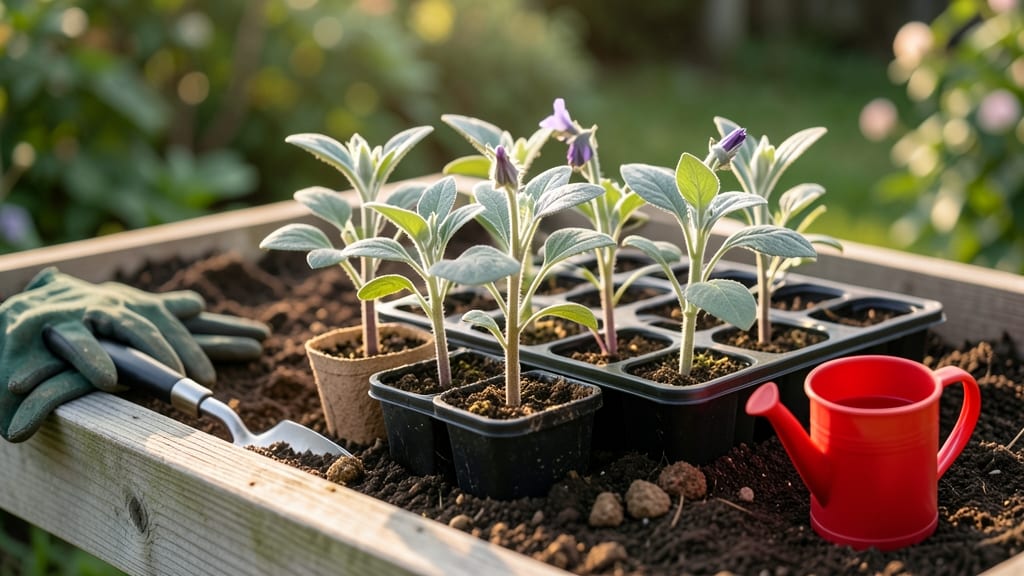
Timing your eggplant 🍆 planting in North Carolina can feel like a high-stakes guessing game—get it wrong, and you might end up with sad, stunted plants instead of the glossy, plump harvest you crave.
The difference between a thriving garden and a failed one often comes down to knowing exactly when to put those seedlings in the ground.
Here’s the truth: eggplants are heat lovers, and planting them too early—before your soil hits 70°F—means they’ll sulk in the cold, leaving you frustrated by summer. But planting too late? You risk running out of growing season before your plants even think about producing fruit.
With North Carolina’s varied zones 7a-8b, the perfect window shifts from mid-April in the warmer Piedmont to early June in cooler mountain regions.
I’ll break down the exact frost-free timeline, soil temperature secrets, and even how to stretch your growing season with mulch or row covers—so you can avoid the most common mistakes NC gardeners make.
Whether you’re a first-time planter or a seasoned pro, these tips will help you harvest like a local by July.
Let’s get your eggplants off to the right start—because nobody wants to wait until next year to enjoy that first crisp, homegrown bite.
North Carolina eggplant planting timeline: frost dates & soil temperature guide
North Carolina’s diverse climate—from the Coastal Plain to the Mountains—creates distinct eggplant planting windows. The key is waiting until soil temperatures hit 70°F+ and all frost risk has passed.
In most of NC, this means mid-April to early June, but your exact timing depends on your USDA zone (7a-8b).
For Coastal NC (zones 8a-8b), you can plant as early as March 15 if your soil warms quickly. Inland areas like the Piedmont (zone 7b) should wait until April 15, while the Mountains (zone 7a) often delay until May 1 to avoid late frosts.
Pro Tip: Use a soil thermometer to confirm readiness. Eggplant seeds won’t germinate below 60°F, and seedlings will stunt or die in 50°F+ night temps. Check your local NC State Extension frost maps for precise dates.
Here’s a quick breakdown of NC’s three main regions and their ideal planting windows:
| Region | USDA Zone | Last Frost Date | Ideal Planting Window | Soil Temp Requirement |
|---|---|---|---|---|
| Coastal Plain | 8a-8b | March 15 | March 15–April 15 | ≥70°F |
| Piedmont | 7b | April 1 | April 15–May 1 | ≥70°F |
| Mountains | 7a | May 1 | May 1–May 15 | ≥70°F |
If you’re eager to start earlier, begin seeds indoors 8–10 weeks before your last frost date. Use grow lights to provide 12–14 hours of light daily, and transplant seedlings outdoors only after hardening them off for 7–10 days.
For fall planting, aim for July 1–August 15 in Coastal NC and June 15–July 15 inland. Choose fast-maturing varieties (like ‘Black Beauty’ or ‘Ichiban’) to harvest before the first frost in November. Mulch with black plastic to extend the season by 2–3 weeks.
Remember: Eggplants are heat-loving but frost-sensitive. Even a light frost (32°F) can kill seedlings, so always monitor NC A&M’s frost forecast or use row covers for early/late plantings.
Once planted, maintain consistent moisture and fertile soil (pH 6.0–6.8) to encourage strong growth. With the right timing, you’ll enjoy glossy, firm eggplants from July through October!
How to extend eggplant season in NC: transplanting, mulching & cold protection tips
North Carolina’s short growing season can be tricky for heat-loving eggplants, but with the right strategies, you can extend your harvest window by weeks. The key is starting seeds indoors, hardening off transplants, and using protective techniques to shield plants from late spring frosts and early fall chills.
I’ve found that black plastic mulch and row covers can add 2-4 weeks to your eggplant’s growing season—especially in NC’s Coastal Plain and Piedmont regions. Even in the Mountains, where nights get cooler faster, these methods work wonders.
🌱 Did You Know? Eggplants thrive when soil temps stay above 70°F—that’s why timing your transplant is critical. If you rush, you risk stunted growth or even death from cold snaps. Wait until after your last frost date (typically mid-April to early May in most of NC) and always check soil temps with a thermometer.
⚠️ Late Frost Warning
Even if your last frost date has passed, late frosts can still hit NC gardens—especially in higher elevations. Use frost cloth or row covers for the first 2-3 weeks after transplanting to protect young plants.
💡 Pro Tip: Remove covers during the day to avoid overheating and pests.
For a head start, I recommend sowing seeds indoors 8-10 weeks before your last frost date. Use seedling trays with a heat mat to keep soil warm—eggplants germinate best at 75-85°F.
Once seedlings are 3-4 inches tall and have 2-3 true leaves, it’s time to harden them off.
Hardening off takes 7-10 days and involves gradually exposing seedlings to outdoor conditions. Start with 2-3 hours of shade on day one, then increase exposure by 1-2 hours daily. By day seven, they should be ready for full sun during the day but still protected at night.
Once transplanted, mulching is your best friend. Lay down black plastic mulch or straw mulch to warm the soil, suppress weeds, and retain moisture.
This is especially helpful in NC’s drier summers, where eggplants can struggle with water stress. Pair mulch with drip irrigation for the best results.
If you’re aiming for a fall harvest, choose shorter-season varieties like ‘Black Beauty’ or ‘Ichiban’, which mature in 60-70 days. Start seeds indoors again in early July so they’re ready to transplant by mid-August.
With row covers in place, you can often push harvests into early October.
Don’t forget companion planting! Pair eggplants with basil, marigolds, or thyme to deter pests like aphids and flea beetles. And if you notice yellowing leaves or stunted growth, it might be time to fertilize with a high-phosphorus blend (like 10-20-20) to boost flowering and fruiting.