
Plants
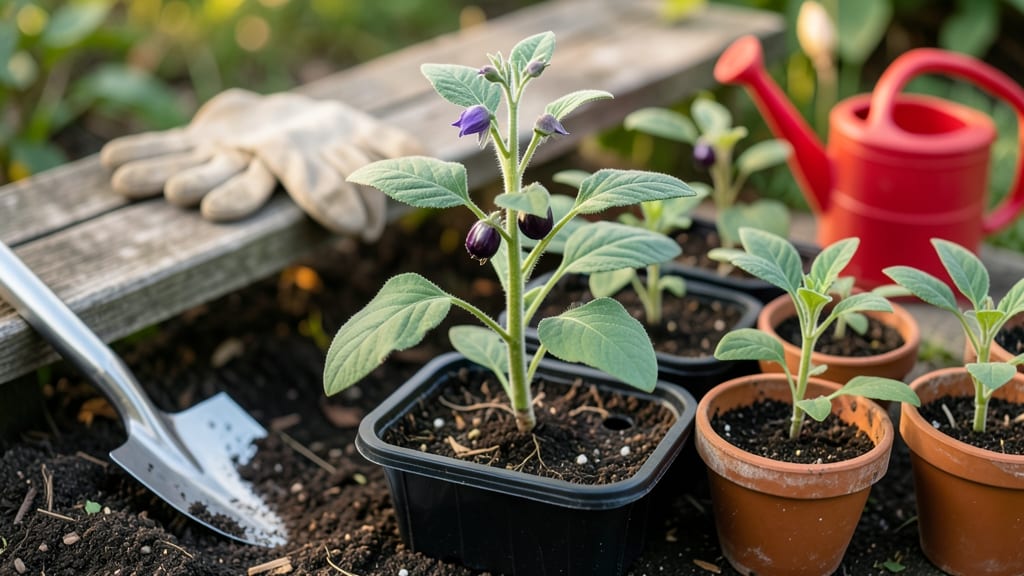
If you’ve ever wondered when to plant eggplant in California, timing is everything—especially when balancing coastal chill with inland heat. The 🍆 thrives in warm soil but wilts in cold snaps, so getting the window right means the difference between a bountiful harvest and a sad, stunted plant.
California’s 9a-10b zones offer a wide range of microclimates, from foggy San Francisco to sweltering Central Valley heat. Plant too early, and frost will fry your seedlings; too late, and summer’s scorching sun arrives before your eggplants mature.
The key? Start seeds indoors 8-10 weeks before your last frost date—or transplant seedlings when soil hits 70°F+.
In this guide, I’ll break down the best planting windows for coastal vs. inland zones, plus pro tips to adjust for California’s unpredictable weather. Whether you’re in the Bay Area or the desert, you’ll learn how to sync your eggplant’s growth with your region’s unique rhythm.
Ready to grow plump, glossy eggplants all season long? Let’s dive into the perfect timing for your garden—and how to keep those plants thriving until October’s last harvest.
Best eggplant planting timeline for California’s coastal vs inland zones
California’s microclimates create wildly different conditions for eggplant growers. The North Coast (like San Francisco) has chilly, foggy springs, while inland valleys (like the Central Valley) can hit 90°F+ by May. To avoid frost damage or heat stress, timing is everything.
Eggplants thrive in USDA zones 9a-10b, but even within these zones, coastal areas stay cooler longer. The key is planting after your last frost date and when soil reaches 70°F+.
For most of California, this means transplanting seedlings 2-4 weeks after your region’s last frost—typically March-April for coastal areas and February-March inland.
Here’s how to align your planting with California’s heat zones, including frost-free dates and ideal transplant windows:
| Region | Last Frost Date | Ideal Transplant Window | Soil Temp Requirement | Notes |
|---|---|---|---|---|
| North Coast (San Francisco, Eureka) | Mid-April | Late April - Early May | 70°F+ (use black plastic mulch) | Fog delays warming; start seeds indoors early. |
| Central Coast (Santa Barbara, Monterey) | Late March | Early April - Mid-April | 65°F+ (warms faster than North Coast) | Cooler evenings; protect young plants. |
| Bay Area (Oakland, San Jose) | Early April | Late March - Early April | 70°F+ (fog can linger) | Transplant after consistent 60°F+ nights. |
| Inland Valleys (Sacramento, Fresno) | Mid-February | March - Early April | 60°F+ (warms quickly) | Heat arrives fast; prioritize shade cloth. |
| Southern California (LA, San Diego) | Late December | January - February | 65°F+ (mild winters) | Can plant earlier; watch for late rains. |
For direct sowing (skipping seedlings), wait until soil is 75°F+ and all frost risk has passed. This is usually 1-2 weeks later than the transplant window above. Inland areas can direct-sow as early as late February, while coastal areas may need to wait until May.
Eggplants are heat-loving but struggle with temperatures above 90°F for extended periods. In inland valleys, plant early varieties or use shade cloth (30-50%) to protect young plants. Coastal gardeners should choose disease-resistant varieties to combat fog-related humidity.
Pro tip: Use a soil thermometer to confirm readiness. Eggplant roots need warmth to establish quickly—below 60°F stunts growth. If your soil is slow to warm (common in coastal zones), try black plastic mulch or row covers to accelerate heating.
In Southern California, you can even squeeze in a fall crop! Plant seeds in late summer (August-September) for a harvest before the first frost (usually December-January). Just ensure your variety matures in 75-90 days to beat the cooler months.
Remember, eggplants are sensitive to cold but also heat-sensitive at maturity. The goal is to give them 6-8 weeks of warm soil before the hottest summer months peak. With this timeline, you’ll avoid both frost damage and bolting (premature flowering) due to heat stress.
🌱
How to adjust eggplant planting for California’s unpredictable weather patterns
California’s unpredictable weather can throw off even the most experienced gardener. Coastal fog might linger weeks longer than average, while inland valleys can hit 100°F+ before Memorial Day. The key is flexibility—adjusting your planting timeline and using protective strategies to shield young eggplants.
For coastal regions, delay transplanting until the morning fog burns off by 10 AM consistently. Use a thermometer to monitor soil temps—eggplants need 70°F+ to thrive. If nights dip below 55°F, cover seedlings with frost cloth or a mini greenhouse.
Inland areas face the opposite challenge: heat stress before plants establish roots. Start seeds indoors 8-10 weeks before your last frost date, then harden off seedlings gradually. Transplant on overcast days or in the late afternoon to reduce shock from intense sun.
⚠️ Watch for Heatwaves
If temperatures exceed 90°F for more than 3 days, young eggplants may bolt or wilt. Provide shade cloth (30-50%) until plants are 12 inches tall. Mulch heavily with straw or wood chips to keep roots cool.
Late-season rains can also disrupt harvests. If September showers arrive early, choose early-maturing varieties (like 'Ichiban') or use raised beds with drip irrigation to control moisture. Avoid overhead watering, which spreads fungal diseases like powdery mildew.
For container gardening, move pots to shadier spots during heatwaves or place them on reflective surfaces (like white gravel) to reduce root stress. Eggplants in pots dry out 3x faster than in-ground plants, so check soil moisture daily.
Pro tip: Plant companion crops like basil or marigolds nearby—their scents deter pests and improve air circulation. If your area has unreliable frost dates, opt for transplanting in June for a fall harvest, even if yields are smaller.