
Plants
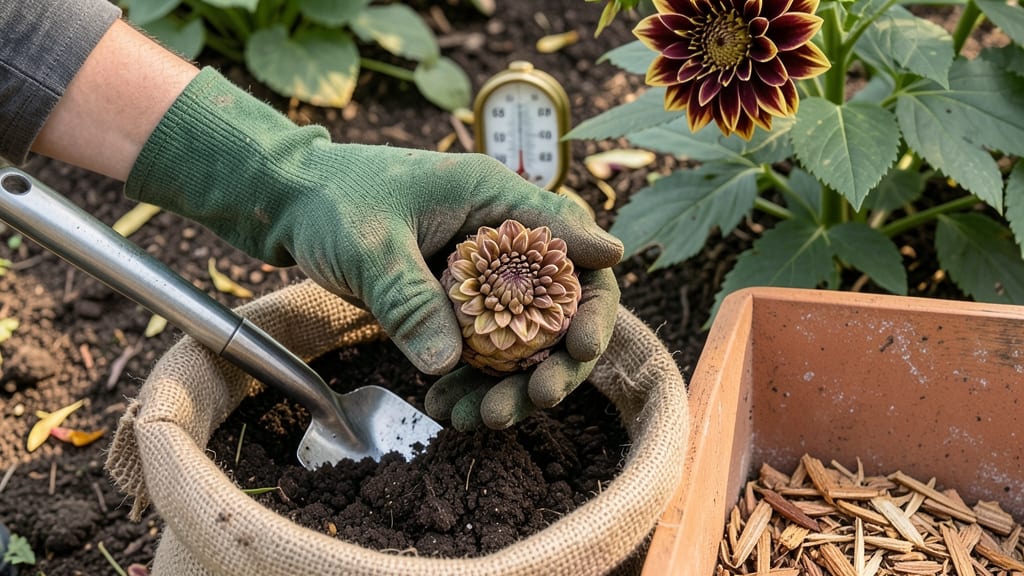
When to plant dahlias in Washington State isn’t just about waiting for spring—it’s about mastering the delicate balance between frost risks and soil warmth. With USDA zones ranging from 6b in Spokane to 9a near Seattle, your planting window could span three weeks or more depending on elevation.
Miss the mark, and your 🌼 dahlias might bolt too early or get nipped by late frosts that linger in mountain valleys. But get it right, and you'll enjoy vibrant blooms from July through October—even in high-elevation gardens where summer feels shorter.
I'll break down exactly when to plant in your specific region, whether you're in the Puget Sound lowlands or the Cascade foothills. You'll learn how to use soil temperature as your guide, not just the calendar, and which dahlia varieties hold up best in Washington's unpredictable climate.
Ready to transform your garden into a year-round dahlia show? Let's dive into the precise timing and techniques that work for Washington gardeners—no guesswork required.
Washington State frost zones & dahlias: the exact planting windows by region
Washington State’s diverse climate—from the mild Puget Sound to the high-desert plateaus of Eastern WA—means dahlia planting windows can vary by 3-4 weeks across the state. Understanding your USDA zone and last frost date is critical, as dahlias cannot tolerate frost and need soil temperatures above 55°F to thrive.
Let’s break down the exact planting windows for Washington’s key regions, so you can avoid frost damage and maximize your summer-to-fall blooms.
First, check your local last frost date using resources like the WSU AgWeatherNet or the National Weather Service. In Zone 8a (Seattle/Tacoma), the last frost typically occurs around April 15, while in Zone 6b (Spokane), it can linger until May 10.
High-elevation areas like Snoqualmie Pass (Zone 5) may not be frost-free until June 1. Planting too early in these zones risks frost-killed tubers, while waiting too long shortens the blooming season.
Dahlias thrive in full sun (6-8+ hours daily) and well-draining soil. In Washington, this means selecting a south-facing garden bed that warms quickly in spring. Amend heavy clay soils with compost or perlite to improve drainage, as waterlogged roots lead to rot.
Test your soil’s pH—dahlias prefer 6.0-7.0—and adjust with lime or sulfur if needed. Soil temperature is just as critical as air temperature; use a soil thermometer to confirm it’s consistently above 60°F before planting.
Here’s how to use your local frost data to pinpoint your planting window. For example, in Zone 9a (Vancouver), you can plant tubers outdoors by April 1, while in Zone 7a (Yakima), wait until May 1.
In high-elevation zones (5-6), consider starting tubers indoors in March or using row covers to extend the season. Always plant tubers 4-6 inches deep and 12-18 inches apart to allow room for their robust root systems.
🌱 Visual Guide: Washington State Dahlias Planting Windows by Region 🌱
| Region | USDA Zone | Last Frost Date | Planting Window | Soil Temp Threshold |
|---|---|---|---|---|
| Puget Sound (Seattle/Tacoma) | 8a-9a | March 15 - April 15 | April 1 - April 30 | 55°F+ |
| Western WA (Olympia, Bellingham) | 7b-8b | March 20 - April 10 | April 5 - May 1 | 55°F+ |
| Eastern WA (Spokane, Wenatchee) | 6a-7a | April 1 - May 10 | May 1 - May 20 | 60°F+ |
| High Elevation (Snoqualmie Pass, Leavenworth) | 5a-6b | May 1 - June 1 | June 1 - June 15 | 65°F+ |