
Plants
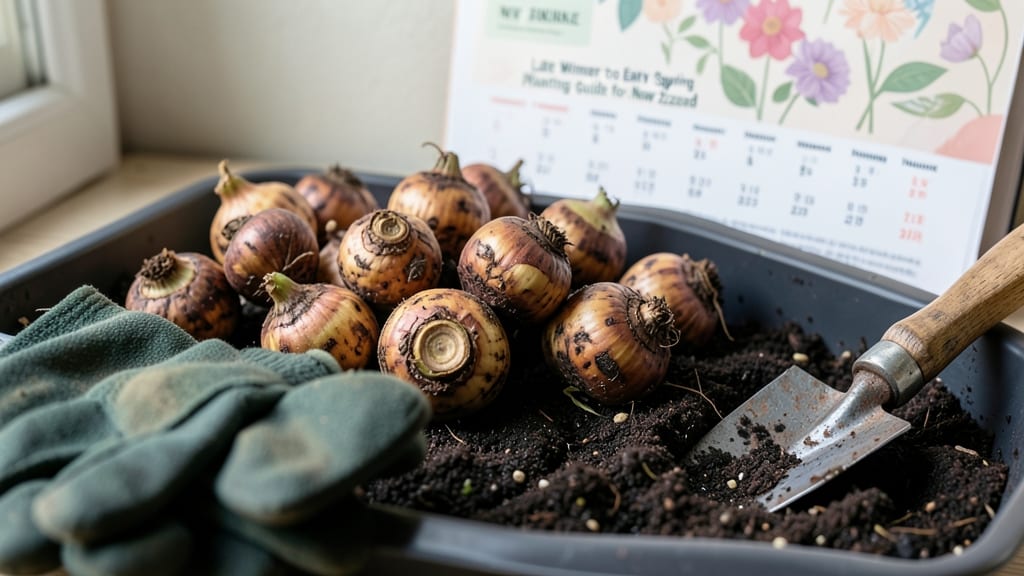
Timing your dahlia planting in New Zealand is the key to those vibrant blooms you’ve been dreaming of—because getting it wrong can mean wilted hopes before the season even begins.
With frost-free dates shifting from late August in the far north to early September in cooler regions like Dunedin, knowing exactly when to plant your 🌼 tubers makes all the difference.
If you’ve ever wondered why some gardeners in Auckland get lush dahlias by November while those in Wellington play the waiting game, the answer lies in your local climate zone.
The ideal window spans late September to early November, but soil warmth and frost risk mean your exact timing could vary by weeks—even between neighboring towns.
Here’s the game-changer: planting too early in frost-prone areas risks tuber rot, while waiting too long can stunt growth before summer’s peak blooming season.
I’ll walk you through how to read your region’s frost-free cues, prepare tubers like a pro, and choose the perfect spot for maximum impact—no guesswork required.
Ready to transform your garden into a dahlia paradise? Let’s break down the exact steps, from chitting tubers to mulching for cooler zones, so you can enjoy those show-stopping flowers from February right through to May.
Best months to plant dahlias in NZ by climate zone
New Zealand’s three distinct climate zones—Northland’s subtropical warmth, the North Island’s temperate regions, and the South Island’s cooler alpine areas—mean dahlia planting times vary significantly. While most gardeners aim for late spring to early summer, exact timing depends on your frost-free date and soil warmth.
Let’s break it down by region to ensure your tubers thrive.
In Northland and Auckland, where winters are mild and frost rare, you can start planting dahlias as early as late August. By contrast, Wellington and the South Island typically wait until mid-to-late September to avoid frost damage.
Even within regions, microclimates matter—coastal areas warm faster than inland valleys.
Soil temperature is your best indicator. Dahlias need soil that’s consistently 10°C or warmer—test with a soil thermometer or wait until after the last frost.
In most of NZ, this falls between late September and early November, but alpine areas like Queenstown or Wanaka may need to delay until November.
🌱
For North Island gardeners, late August to September is prime time, but always check your local NIWA frost forecast. In Christchurch or Dunedin, wait until October—planting too early risks tuber rot from lingering cold.
Pro tip: Use black plastic mulch to warm soil faster in cooler zones.
If you’re in a transition zone (like Hawke’s Bay), split your planting: start with hardy varieties in late September, then add tender types in October. This staggered approach extends your bloom season from December to May.
🌿
Don’t forget: Dwarf dahlias (like 'Café au Lait') tolerate cooler soils better than giant varieties (like 'Galaxy'). If your region has unpredictable frosts, opt for earlier-flowering cultivars or use row covers for protection.
For container growing, plant slightly later (early October) since pots cool faster. Place containers in full sun and use heat-retaining fabric around the base to maintain warmth. Water consistently—containers dry out 3x faster than garden beds.
💧
Best months to plant dahlias in NZ by climate zone
New Zealand’s climate zones create three distinct planting windows for dahlias—understanding yours is key to avoiding frost damage or missed blooms.
The North Island’s subtropical regions like Auckland and Northland can plant as early as late August, while cooler areas like Wellington or Dunedin should wait until mid-October when soil warms above 10°C (50°F). Mountainous regions like Central Otago may need to delay until November.
Your last frost date is the critical marker—dahlias cannot tolerate frost. Use your local NIWA (National Institute of Water and Atmospheric Research) frost maps to pinpoint your region’s risk window.
For example, Christchurch typically sees its last frost in early September, while Tauranga is usually frost-free by mid-August.
🌼 NZ Dahlia Planting Windows by Region
| Region | Last Frost Date | Ideal Planting Window | Soil Temp Threshold |
|---|---|---|---|
| Northland | Late July - Early August | Late August - Early September | 12°C (54°F) |
| Auckland | Mid-August | Late August - Mid-September | 10°C (50°F) |
| Wellington | Early September | Mid-September - Early October | 11°C (52°F) |
| Canterbury | Late August - Early September | Early October - Mid-October | 10°C (50°F) |
| Dunedin | Mid-September | Mid-October - Early November | 12°C (54°F) |
For container growing, you can extend your planting window by 2-3 weeks since pots warm faster. However, ensure containers have drainage holes and use black plastic pots to absorb heat.
In cooler regions, consider using cloche tunnels or row covers to create a microclimate and plant tubers 4-6 weeks earlier.
If you miss the ideal window, don’t despair—late plantings in December can still yield blooms, though they’ll be smaller and fewer. Focus on dwarf varieties like ‘Café au Lait’ or ‘Karma Choc’ for better success in shorter seasons.
These varieties thrive with less sunlight and shorter growing periods, making them perfect for Wellington or South Island gardens.
Pro tip: Test your soil’s warmth by pressing your hand 5cm (2 inches) deep—if it feels warm to the touch, your dahlias are ready to go in!
For urban gardeners, raised beds heat up faster than ground soil, so they’re ideal for cooler microclimates like Hamilton or Palmerston North.
Once planted, mulch heavily with straw or pine needles to retain soil warmth and moisture. This is especially critical in windy regions like Taranaki or Marlborough, where temperature swings can stress young tubers. Aim for a 5cm (2-inch) mulch layer to protect roots during spring temperature fluctuations.